
Syria’s Ministry of Education and the Norwegian Refugee Council (NRC) have signed a cooperation agreement aimed at supporting the Ministry’s efforts to strengthen social and emotional learning in the Syrian education system, drawing on NRC’s Better Learning Programme (BLP) and adapting its methods and activities to the Syrian educational context and approved national frameworks.
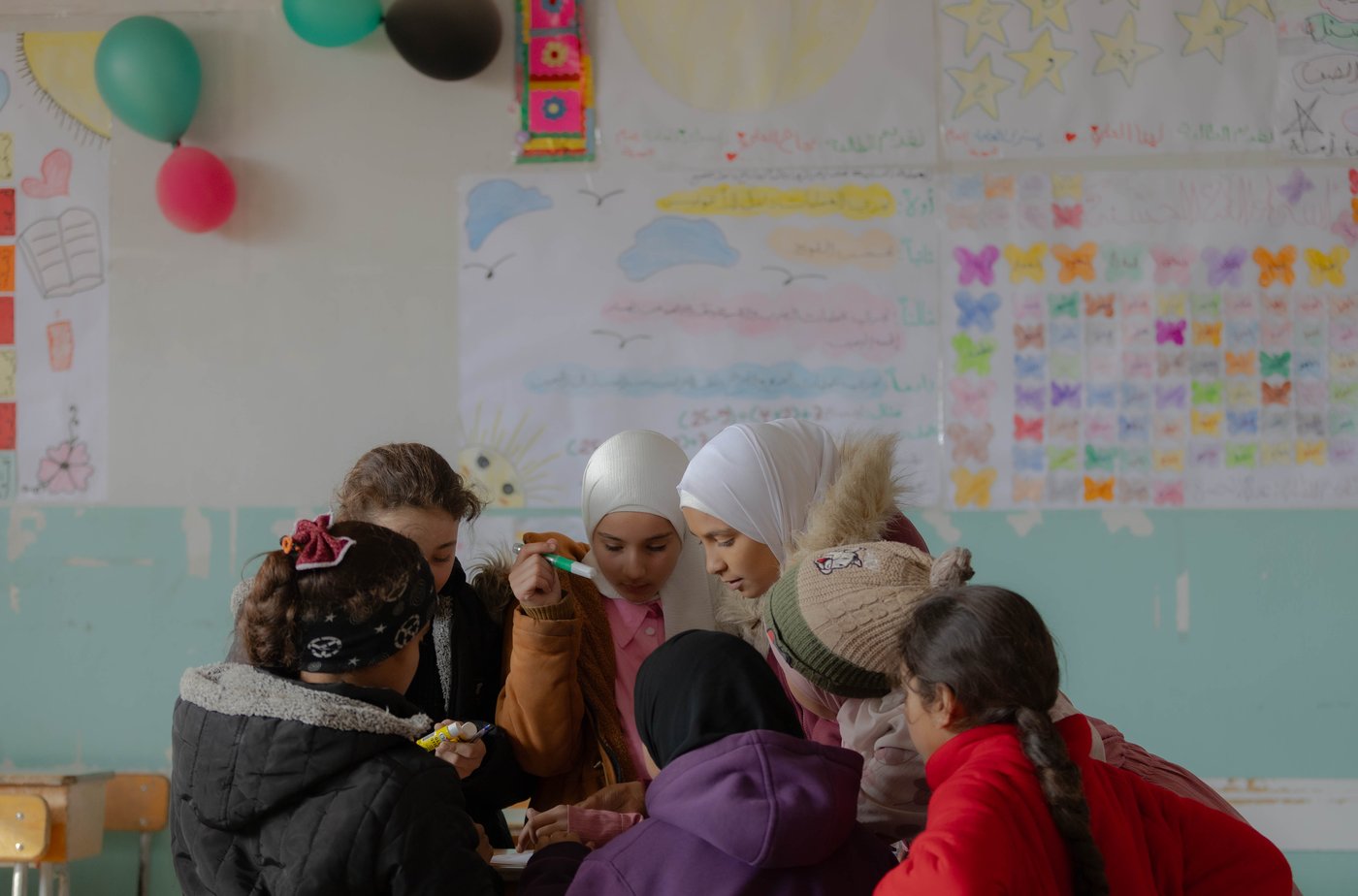
Syria: Ministry of Education and NRC strengthen cooperation in social and emotional learning
The agreement enables the Ministry to draw on evidence-based practices developed through BLP, adapting and using them within the educational programs and practices adopted by the Ministry. This will support teachers and strengthen their ability to help children develop their social and emotional skills and cope with daily pressures and challenges as part of the learning process.
“We are delighted that the Syrian Ministry of Education has adopted NRC’s BLP as part of the education system,” said Federico Jachetti, NRC's Syria country director. “This milestone will help create more supportive and more inclusive learning environments for millions of Syrian children who have endured years of pain and distress caused by multiple crises.”
Years of violence and socioeconomic hardship have left a third of Syrian children experiencing psychosocial distress and conflict-related stress. NRC’s evidence from seven countries shows that integrating psychosocial support into daily school life has improved the psychosocial wellbeing of seven in ten supported children.
“This partnership comes as part of the Ministry of Education’s efforts to strengthen the learning environment and support children’s social and emotional learning, while drawing on evidence based practices in line with the Ministry’s priorities and national frameworks,” said Hassan Mohamad al Hussein, Head of Planning and Statistics at the Syrian Ministry of Education. “Through cooperation with partners, we seek to develop practical and sustainable educational practices that strengthen teachers’ ability to support children’s learning and development in the classroom.”
While the BLP has been implemented in 36 countries, Syria’s is the first Ministry of Education to sign a White Label Agreement (WLA), which means it can adapt and use the programme’s methods within the ministry’s education programmes under its own branding while maintaining evidence-based standards. This comes after almost a decade in which NRC delivered the programme in Syria across its education activities.
The agreement demonstrates how evidence-based humanitarian innovations can transition from NGO-led delivery to nationally owned education systems, supporting long-term sustainability and scale.
“The White Label Approach enables Ministries of Education and other partners to integrate the Better Learning Programme into their own systems while maintaining the quality and evidence that underpin its impact," said Camilla Lodi, Global Head of the Better Learning Programme. "Syria becoming the first Ministry of Education to sign a White Label Agreement is a major milestone towards nationally owned, sustainable psychosocial support for children affected by crisis.”
Notes to editors
- Photos and videos are available for use here.
- The Better Learning Programme (BLP) has been implemented in 36 countries. To date, NRC has signed White WLAs with six partners. Syria’s is the first Ministry of Education to sign a WLA. You can read more about BLP here.
- NRC’s Together for Wellbeing 2023 (TfW30) is NRC's long-term initiative to transform how evidence-based psychosocial support is delivered by shifting from NGO-led implementation to locally owned, partner-led and system-integrated delivery through the White Label Approach.
- The WLA is a core partnership modality that enables partners to adapt and use BLP methods within their education programmes, under their own branding, while maintaining evidence-based standards.
- 34% of girls and 31% of boys report psychosocial distress due to conflict, displacement, and economic hardship (UNICEF)
- Since 2022, over one million children and youth have participated in the BLP. An average of 69% reported improvement in psychosocial wellbeing across seven participating countries (NRC data).
- The Global Partnership for Education (GPE) recently featured NRC's work in a blog highlighting lessons on scaling psychosocial support in fragile and conflict-affected contexts, recognising the important role of psychosocial support in strengthening education systems. (GPE)
