
A deadly outbreak of Ebola is spreading through the eastern parts of the Democratic Republic of the Congo (DR Congo). The Norwegian Refugee Council (NRC) is helping communities protect themselves.
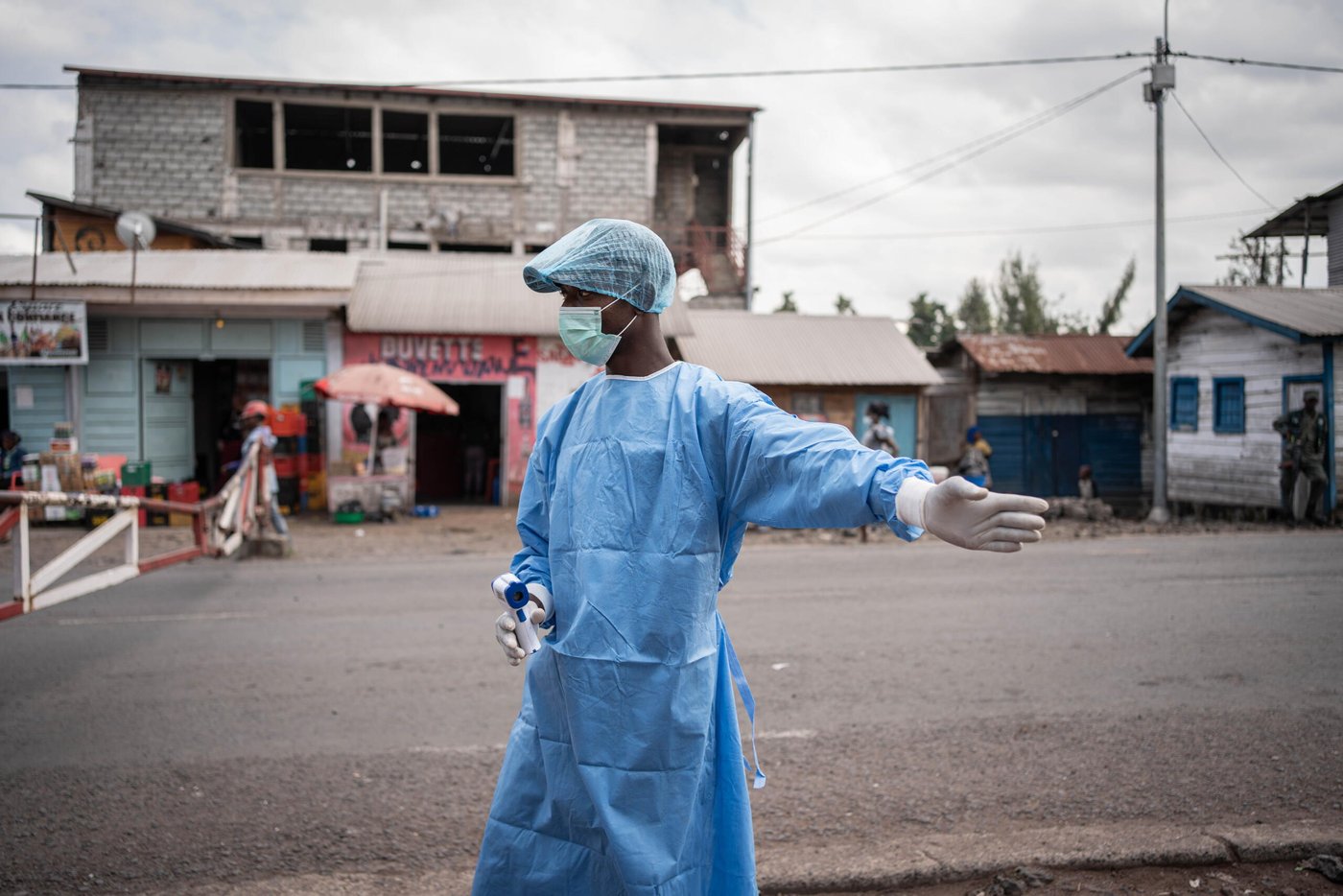
Ebola in DR Congo: What you need to know
Ebola in DR Congo
The Ebola outbreak is spreading in the east of the country, where years of conflict has already forced millions of people to flee from their homes. Many are living in crowded sites with poor access to clean water, toilets and healthcare.
NRC is there, working with communities to fight the spread of disease. We are:
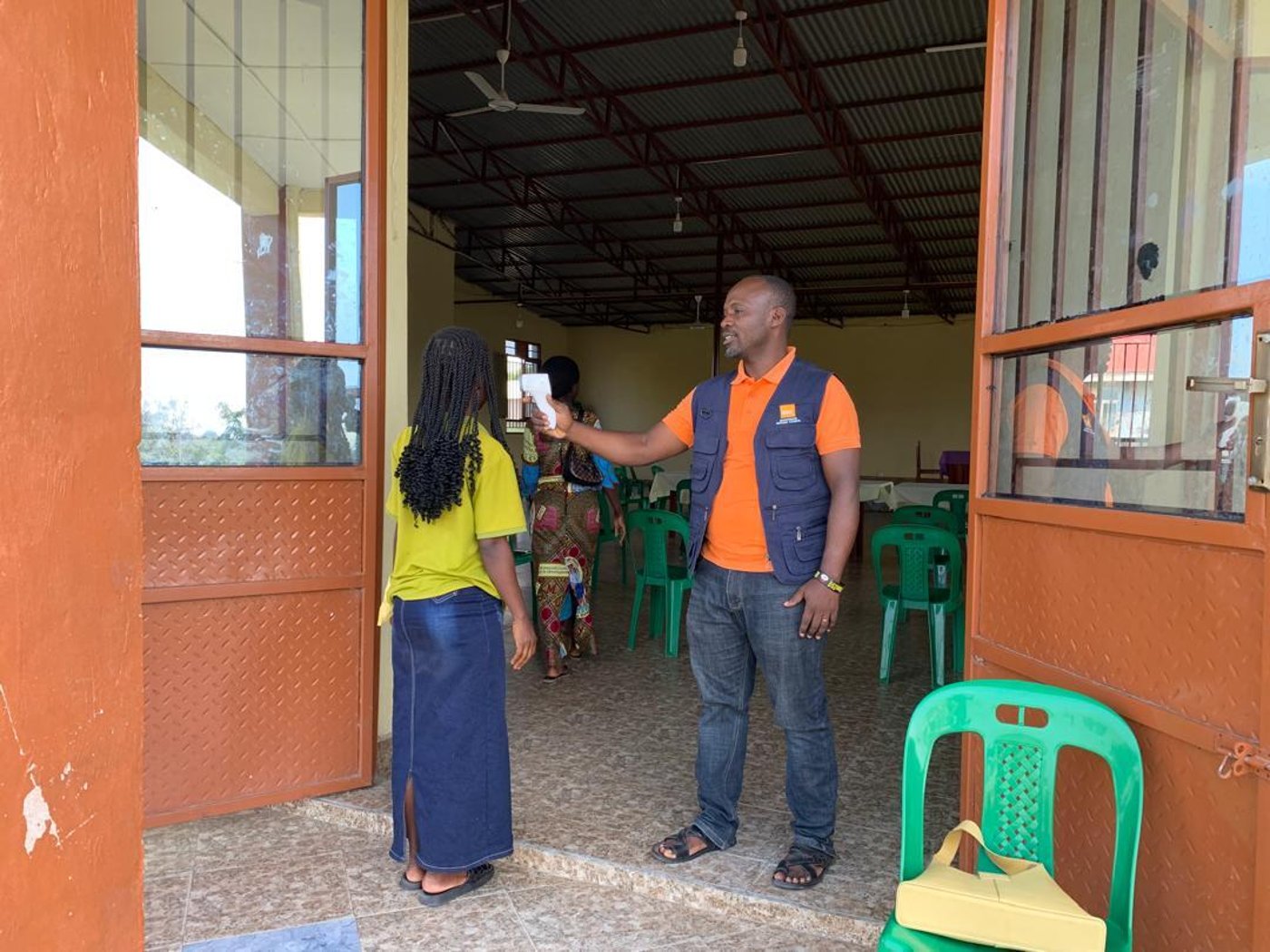
- Providing schools with handwashing facilities and providing temperature checks
- Working with parent-teacher associations to increase awareness of the disease and prevent infection
- Building handwashing stations in the areas most at risk
- Distributing hygiene products, such as soap
- Adapting our existing services to prevent cases spreading
NRC has worked in eastern DR Congo for 25 years. That matters during an outbreak like this. Our teams already know the communities where they work, they have supported local ownership, have built connections with local leaders and we are trusted within displacement camps to understand the concerns of people there.
Support our work
You can support NRC’s work in DR Congo and across the world.
What is Ebola?
Ebola is a severe, and often fatal, disease, also known as Ebola haemorrhagic fever according to the World Health Organisation (WHO), the average fatality rate is around 50 per cent. It spreads through contact with the bodily fluids of someone who is infected, or through contaminated objects and surfaces.
This is the country’s 17th Ebola outbreak. It is caused by the Bundibugyo virus, for which there is currently no licensed vaccine or specific therapeutics against, though early supportive care is lifesaving.
In 2014-16, West Africa suffered the largest outbreak of the disease, killing more than 11,000 people. WHO predicts that this current outbreak will be even more deadly unless more action is taken to prevent the spread.
What are the risks for people forced to flee?
More than five million people in eastern DR Congo have been forced from their homes. Many had to leave all their possessions, and in particular their crops, behind and are trapped in poverty, with conflict making it impossible to build a secure life.
Many have no choice but to rely on humanitarian aid for survival.
Eastern DR Congo is littered with formal and informal “displacement sites”, which are set up to house people who have been forced to flee. They are often constructed in a hurry, without planning and do not have suitable facilities for safe living. Living conditions in theses sites do not allow people to take preventive measures or to self-isolate during an epidemic such as Ebola.
At one site for displaced people in eastern DR Congo, around 8,000 people are living without a single working toilet and extremely limited access to clean water.
Families are staying close together, and with few places to wash their hands. These living conditions can be disastrous during an Ebola outbreak.
Why does the emergency require international support?
For 30 years, conflict has caused widespread insecurity in DR Congo. Ordinary families suffer as a result.
But calls for international aid and development are often ignored. This causes the issues that people face on a daily basis to worsen.
In 2025, just 28 per cent of the money needed for the humanitarian response in DR Congo was provided. As a result, health centres closed, continuing to weaken an already fragile healthcare system, protection services were cut and food support was reduced. Funds to manage displacement sites also declined, leaving larger gaps in access to clean water, hygiene and sanitation for people living in camps.
This has created an environment that causes viruses to thrive and require more funding to solve.
What can I do to support people in DR Congo?
Stopping Ebola is not only about treatment centres. It’s also about strong community engagement efforts and risk communication, reliable information, working toilets, clean water and hygiene facilities.
NRC’s teams are continuing to raise awareness on prevention measures and to build toilets, install handwashing stations and adapt our work to reduce the risk of infection.
But Ebola is not the only crisis people are facing. Families still need food, shelter, healthcare, education, ways to earn money and protection from violence. If this is ignored, people will become even more vulnerable.
