
In the past two years, 8,566 attacks worldwide have targeted schools, students and teachers. Year after year, this number increases at an alarming rate. While millions of children are getting ready to return to school this autumn, there are millions of others who are not able to, because of damaged classrooms, uncertainty, and armed conflict.
Under attack: learning in war zones
Every child deserves a safe place to learn
Under international humanitarian law, schools are civilian infrastructure and should not be attacked. All states have an obligation to ensure the right of education for every child, which is a human right.
Prolonged time out of school not only sets back children academically, but it also puts their wellbeing and safety at risk, from mental health strain to early marriage and child labour.
The Safe Schools Declaration
In 2015, the governments of Norway and Argentina led a process among the UN member states to develop the Safe Schools Declaration, a political agreement dedicated to protecting education in armed conflict. The document also seeks to restrict the use of schools and universities for military purposes. Today, 123 states around the world have joined this international political agreement.
In 2015, the governments of Norway and Argentina led a process among the UN member states to develop the Safe Schools Declaration, a political agreement dedicated to protecting education in armed conflict. The document also seeks to restrict the use of schools and universities for military purposes. Today, 123 states around the world have joined this international political agreement.
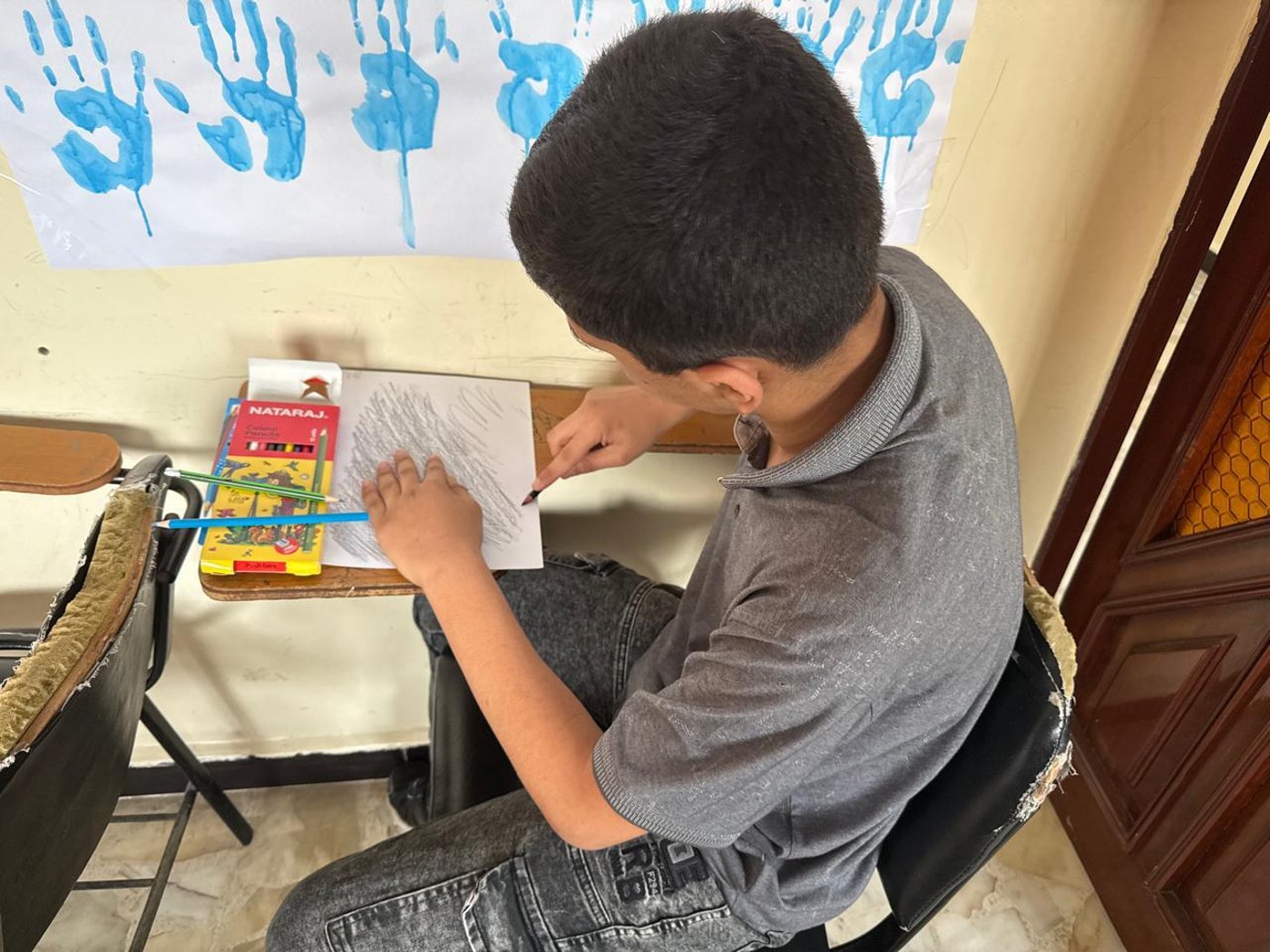
Iran
In Iran, over 1,200 schools have been damaged since the beginning of the war in 2026. Classes shifted to being online, but students are expected to come back to physical classrooms, though they will be overcrowded.
Teams from the Norwegian Refugee Council (NRC) are on the ground, helping 4,000 children by rehabilitating their classrooms so they have a safe place to learn and a chance to catch up. NRC is also delivering remote catch-up classes for 2,000 children who could not access online education. We are committed to giving Afghan and Iranian children the education they deserve.
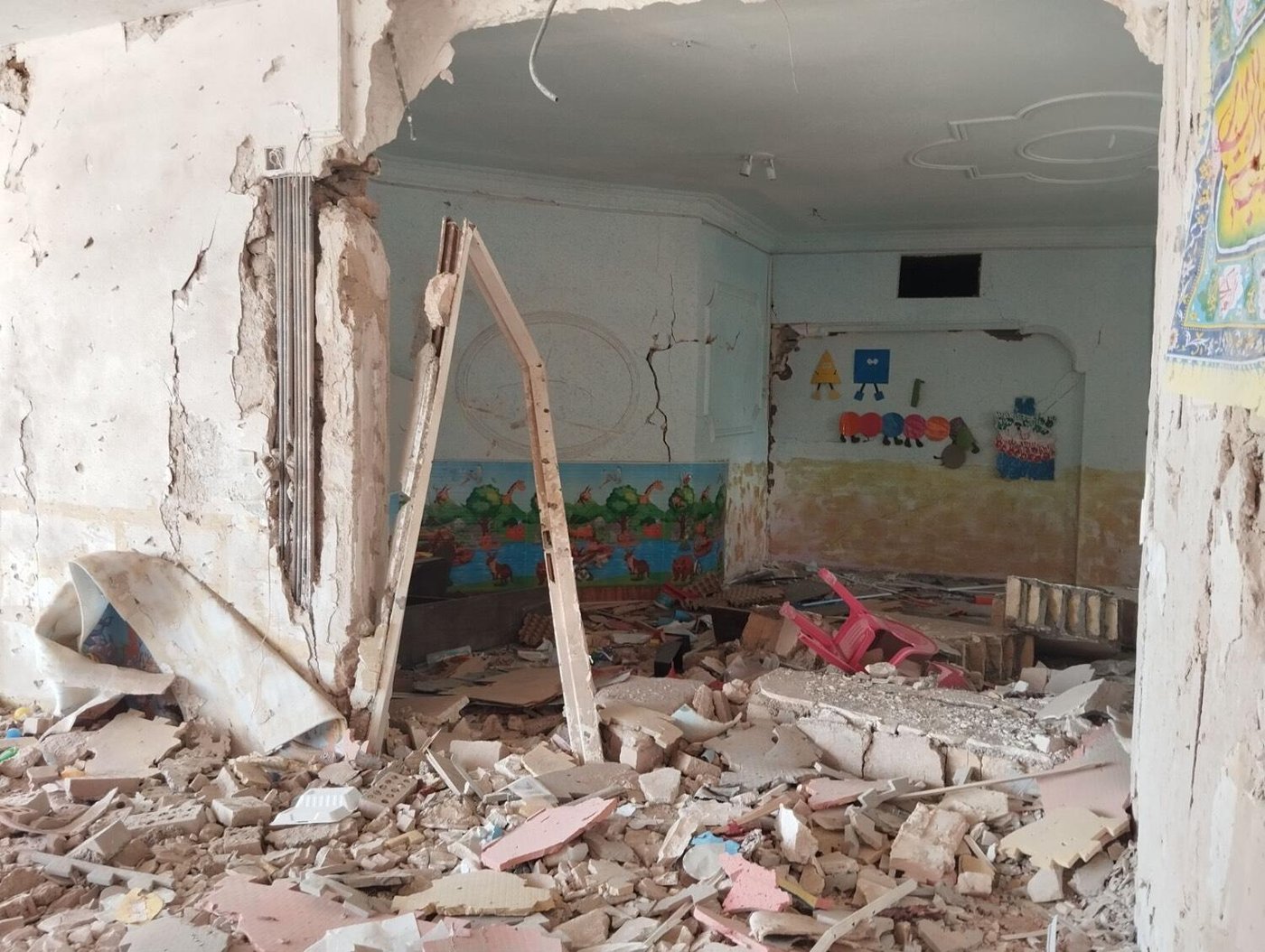
Lebanon
In Lebanon, 340 schools have been damaged by Israeli attacks, and 17 were completely destroyed across the country in the latest escalation of the conflict since March 2026. According to UNICEF, 100,000 children risk missing the next school year if no urgent action to restore schools is taken.
From March to July 2026, with the help of local partners Mouvement Social and SHiFT, NRC helped over 3,000 children with psychosocial support and play-based activities so they could continue learning and maintain a sense of routine during the emergency.
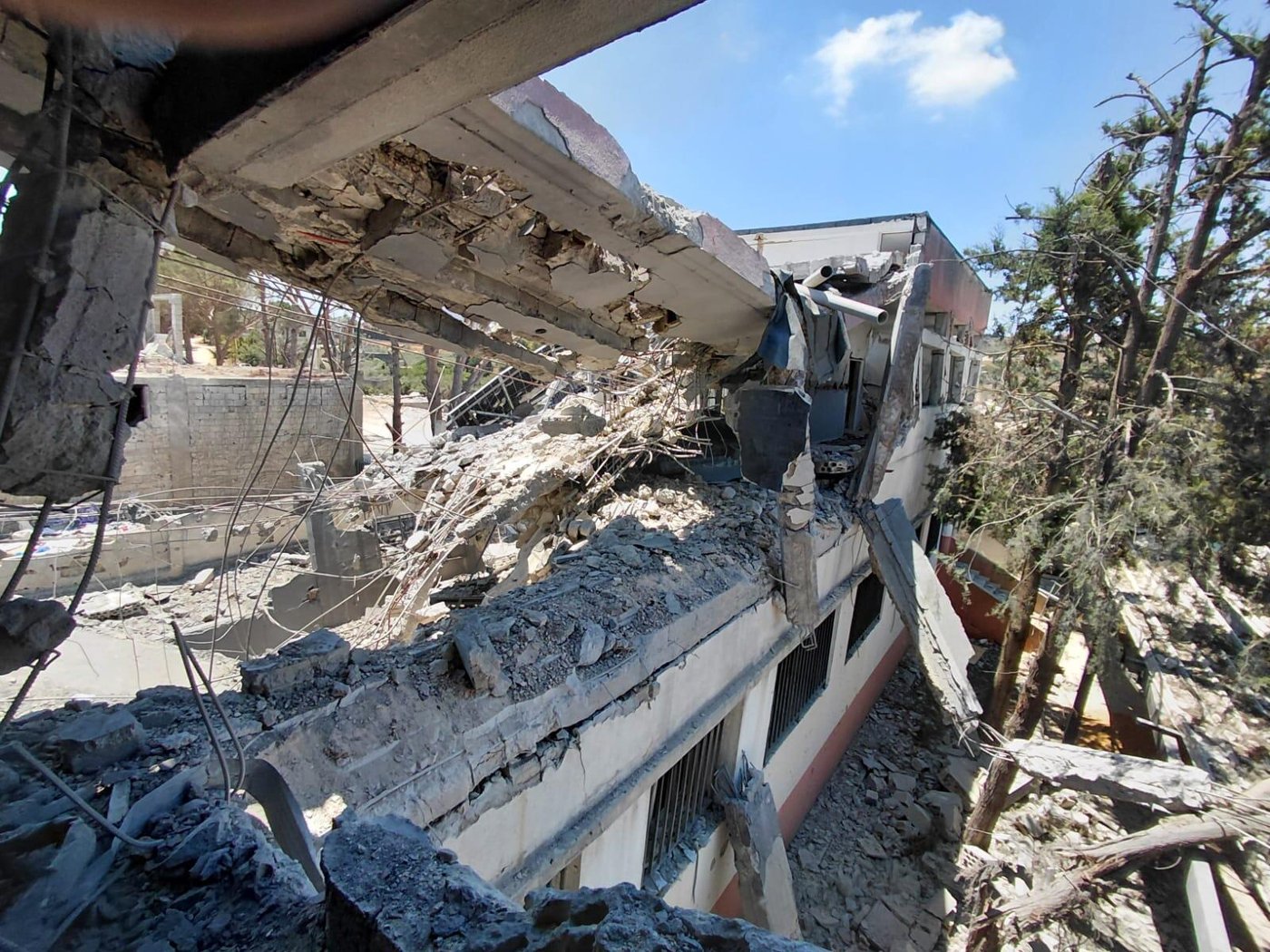
NRC’s global response
When an emergency strikes, education is often the first thing lost. Families are forced to flee, schools close, and children face fear and uncertainty. NRC’s First Line Education Response programme reaches children within six weeks of an emergency. We help them cope with stress, rebuild routines and reconnect with learning.
Since 2024, NRC has supported children in emergencies across 23 countries, including Iran, Lebanon, Palestine, Sudan, Syria and Ukraine.