
In 2025, the Norwegian Refugee Council (NRC) marked 20 years of humanitarian work in Venezuela. We assisted more than 71,000 people over the course of the year, with many receiving more than one type of support through our integrated response.
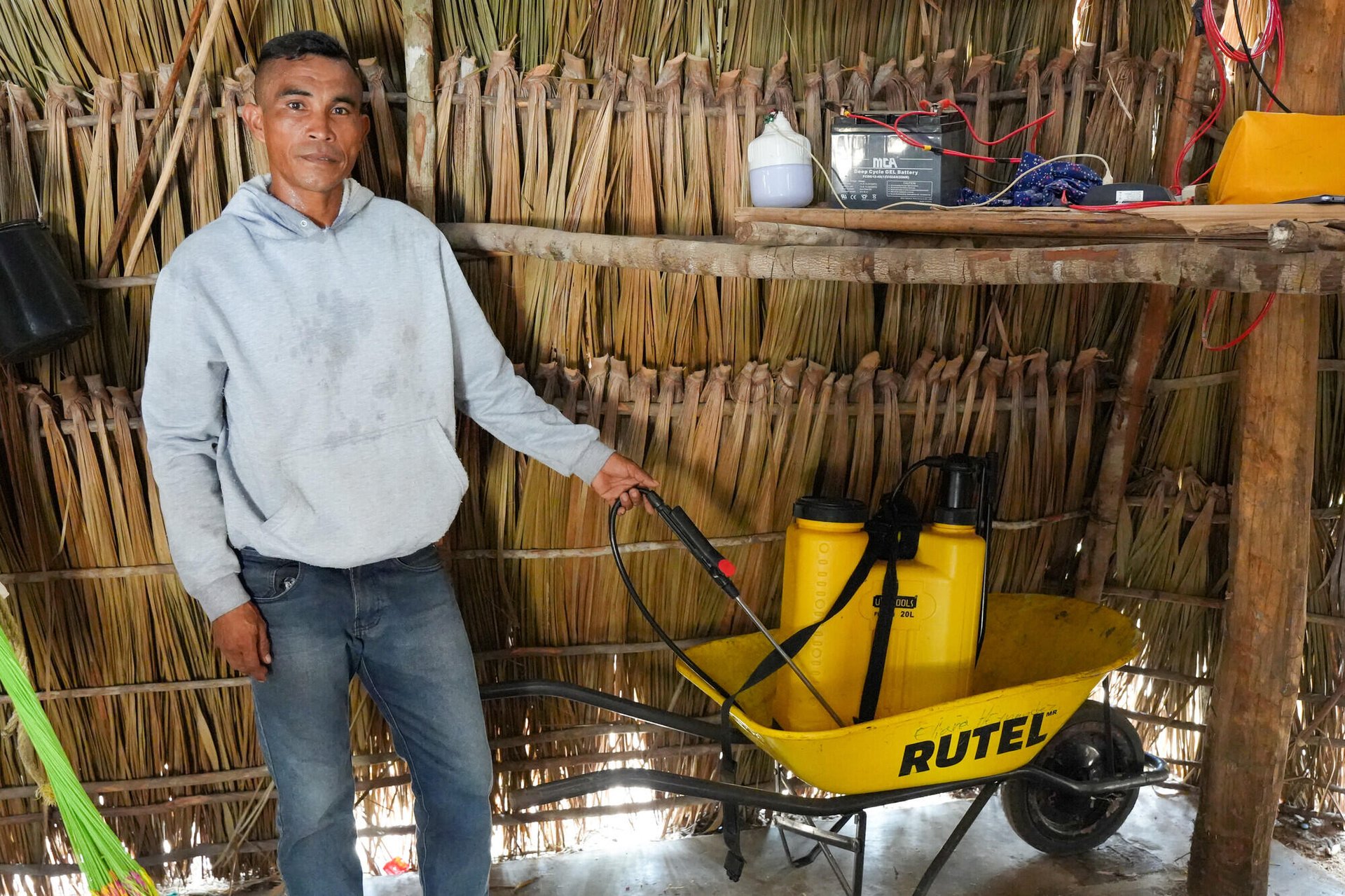
“We are very happy. With courage, we want to work more,” says Argelio, 35, a community leader. Previously displaced, his community has gone from strength to strength after two years of continuous support.
Argelio’s community inhabits the savannahs of Apure state, close to Colombia. Some years ago, they were forced to flee over the border. When it was safe to return, they found their homes were gone and they had to start over.
In 2023, NRC visited them for the first time. We provided food baskets for a period of six months, accompanied by livelihoods support.
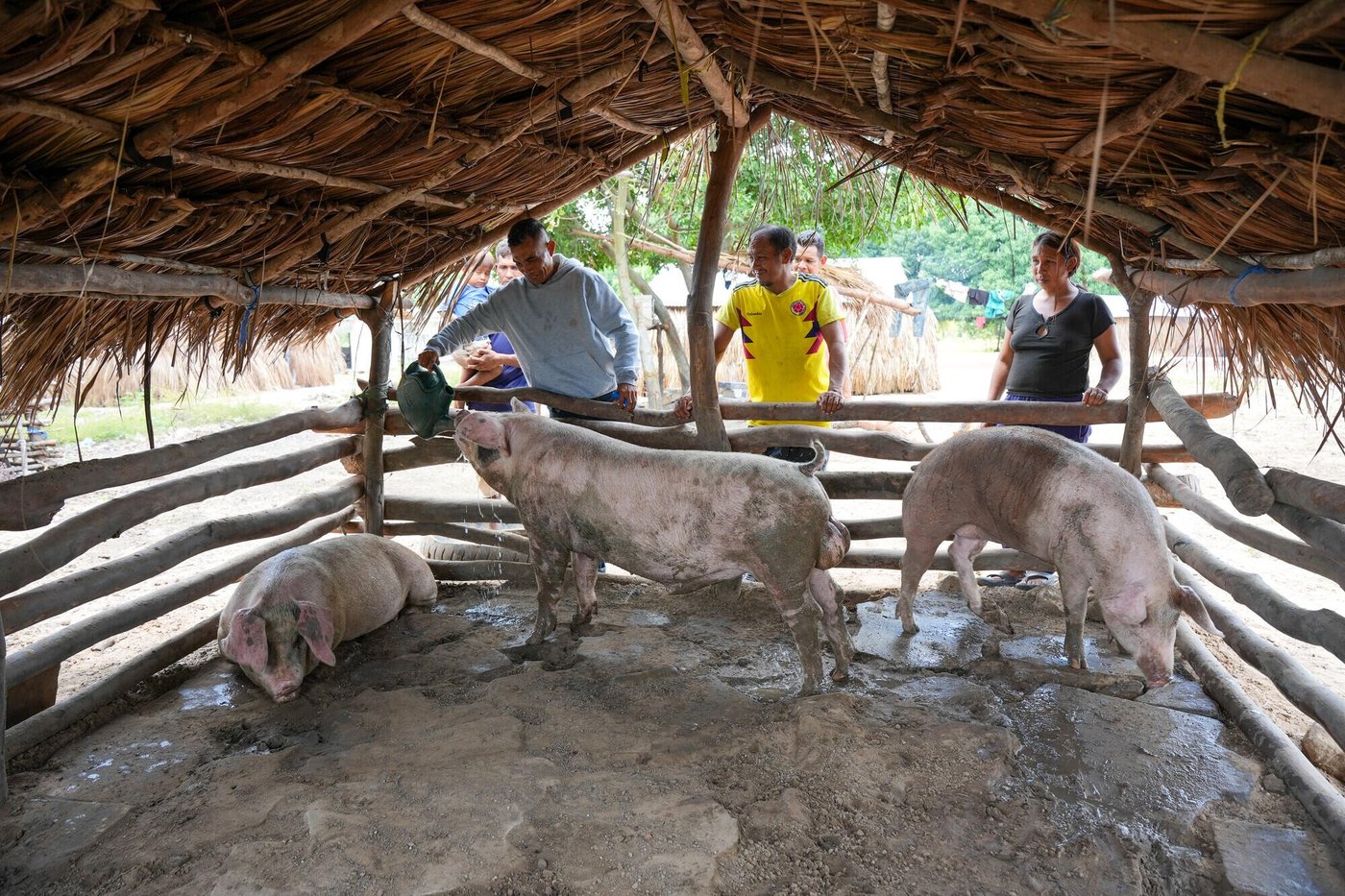
For Venezuelan families, the cost of living has been one of the most important challenges. In Argelio’s community, they now have access to both animal protein and resources through pig farming as a livelihood.
Meanwhile in Bolívar state, bordering Brazil, we helped a community to cultivate home gardens and community greenhouses. They reached such a level of self-sufficiency that they eventually became our official suppliers of seedlings to deliver to other communities in need.
Health and hygiene
Through our water and hygiene activities, we’ve helped to improve infrastructure and strengthen healthy habits and practices. Alba, a community leader from Zulia state, told us that NRC's training on drinking water treatment and handwashing had brought “health and love” to her people.
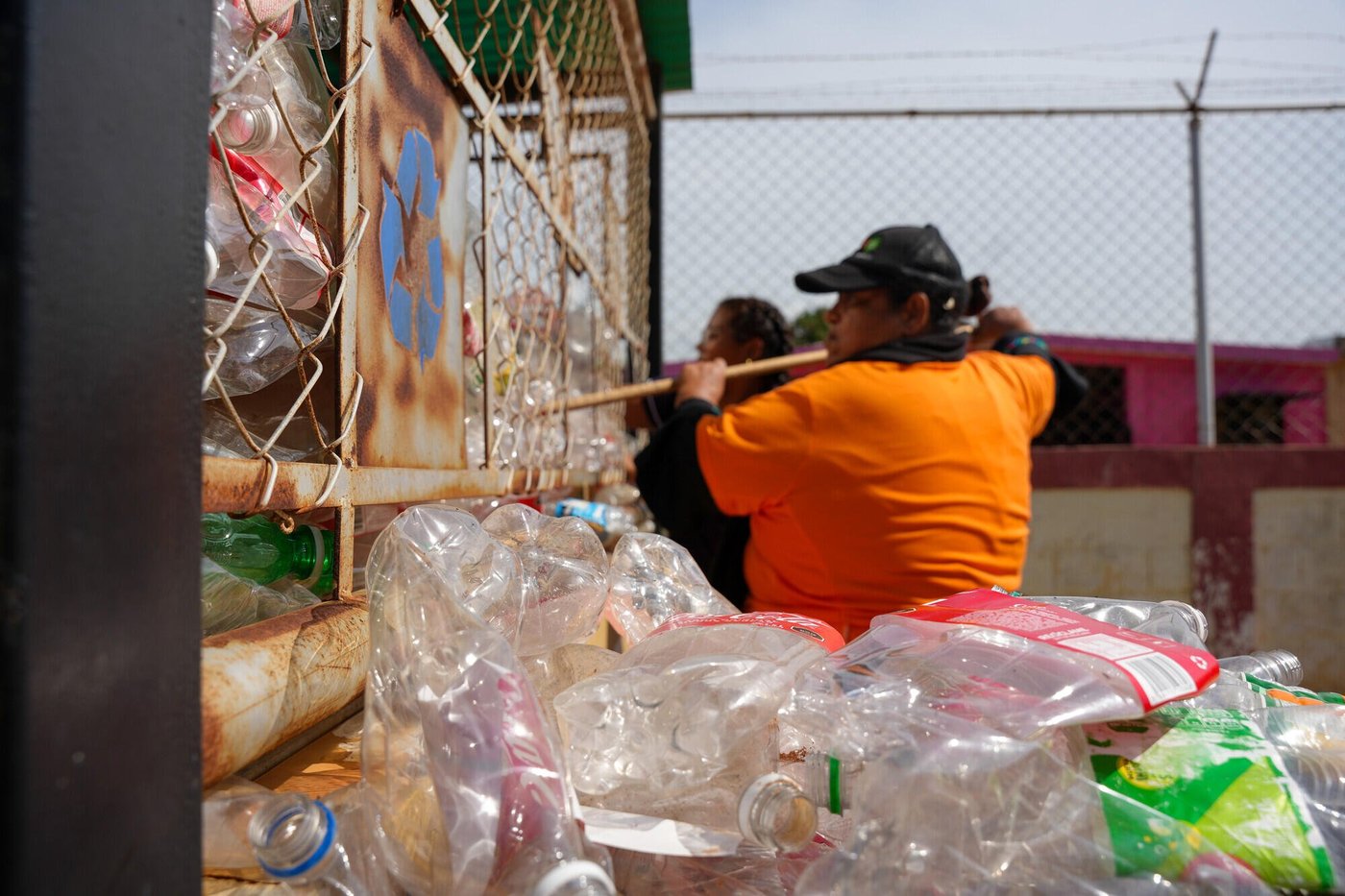
Faride, a school janitor living in the same region, understands well the importance of proper waste disposal. After receiving sanitation and hygiene training from NRC, she turned her community into a shining example of good practice for plastic waste collection.
Together they collected more than 1,600 kilogrammes in three months. As a reward, a recycling company made desks for the local school out of it.
Legal and psychological protection
Often, families move between Venezuela and Colombia without registering their newborns or obtaining identity documents for their children.
NRC holds legal identity information sessions to let people know how to apply for documents. We assisted Lilia, Argelio's wife, to register the births of their three young children. Due to logistical and administrative barriers, they had not been able to do it before.
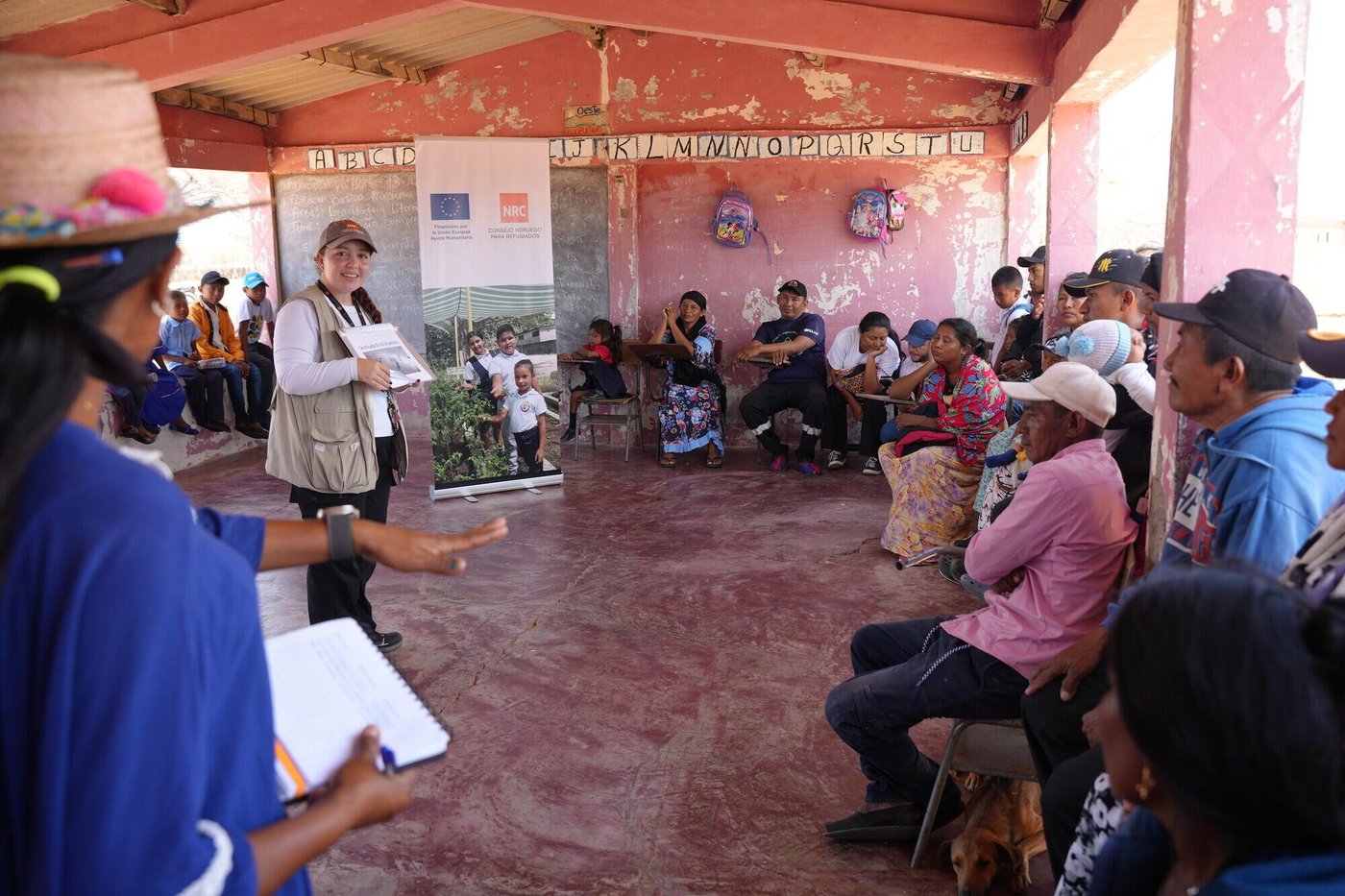
We also provide legal assistance to refugees from the conflict in neighbouring Colombia. “We recently helped with the case of a refugee who finally obtained his Venezuelan identity card as a foreigner. Now, this person will be able to access essential services,” says Adriana, legal assistance coordinator with NRC Venezuela.
In addition to legal protection, we have introduced psychosocial support services for communities and individuals immersed in complex social dynamics as a result of violence and displacement.
Schools as safe spaces
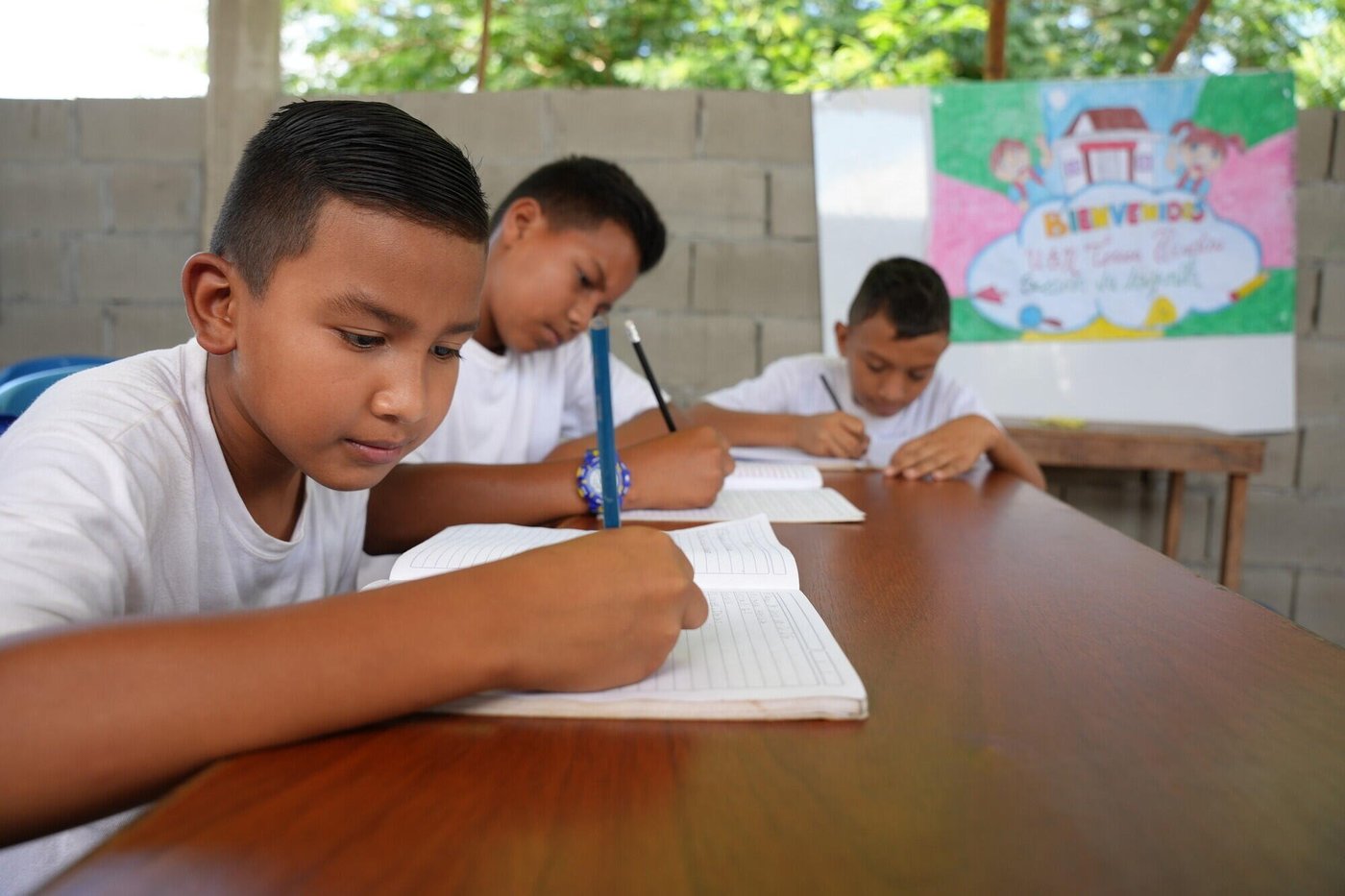
NRC’s education activities help motivate children and adolescents who have never been to school, or who have left the classroom, to start learning. In Bolívar state, for example, we coordinated with the authorities to ensure that 100 children from a mining community could enrol in school.
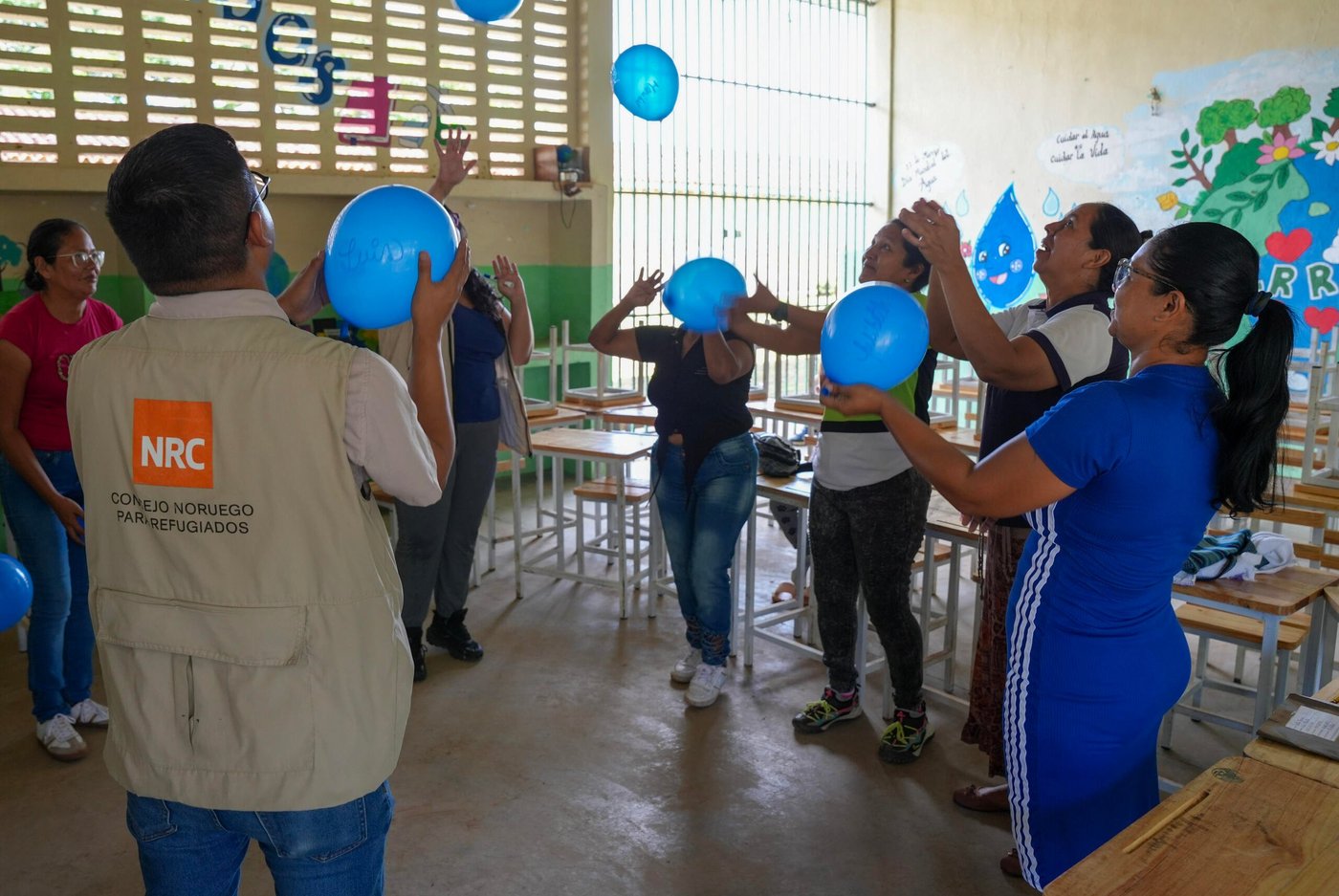
We also support the educational wellbeing of students by providing teachers with psychosocial tools that they can use in the classroom. Yenifer, a nine-year-old girl from Apure state, is one student who has benefited from these relaxation techniques: “Breathing well is like smelling a flower [breathes in] and blowing out a candle [breathes out]. It helps when you are upset or sad, or when your mother leaves for another country … It helps us relax,” she says.
Finally, we strive to support retention, ensuring students stay in education by providing furniture and other materials to create a healthy school environment.
“We already have notebooks, pencils, school backpacks, desks and sports equipment,” says Argelio, excitedly. In some schools, enrolment lists increased by up to 40 per cent after receiving support from NRC.
Funding must be protected
NRC has been active in Venezuela since 2005. We started our activities in Táchira state, where we supported refugees from the Colombian conflict to obtain their legal documentation.
In 2019, the authorities and the United Nations agreed on a Humanitarian Response Plan for the country. Following this, we expanded our assistance and extended to the border states of Bolívar, Zulia and Apure, always in coordination with the authorities.
At least 7 million people in Venezuela have humanitarian and protection needs, yet the response continues to face severe underfunding. In 2025, only one fifth of the required funding was received. Protecting support for those facing the greatest challenges is essential, and funding must be secured to ensure we can continue to assist people in the years ahead.
***
Support refugees and displaced people in more than 30 countries around the world.
