


For Haja Bintu Mohammed, 35, providing for her four children after displacement came with serious risks. To support her family, she travelled to remote areas to collect firewood, which she used to produce charcoal to sell. The journeys exposed Bintu to risks of sexual violence and physical harm while also exposing her children to danger.
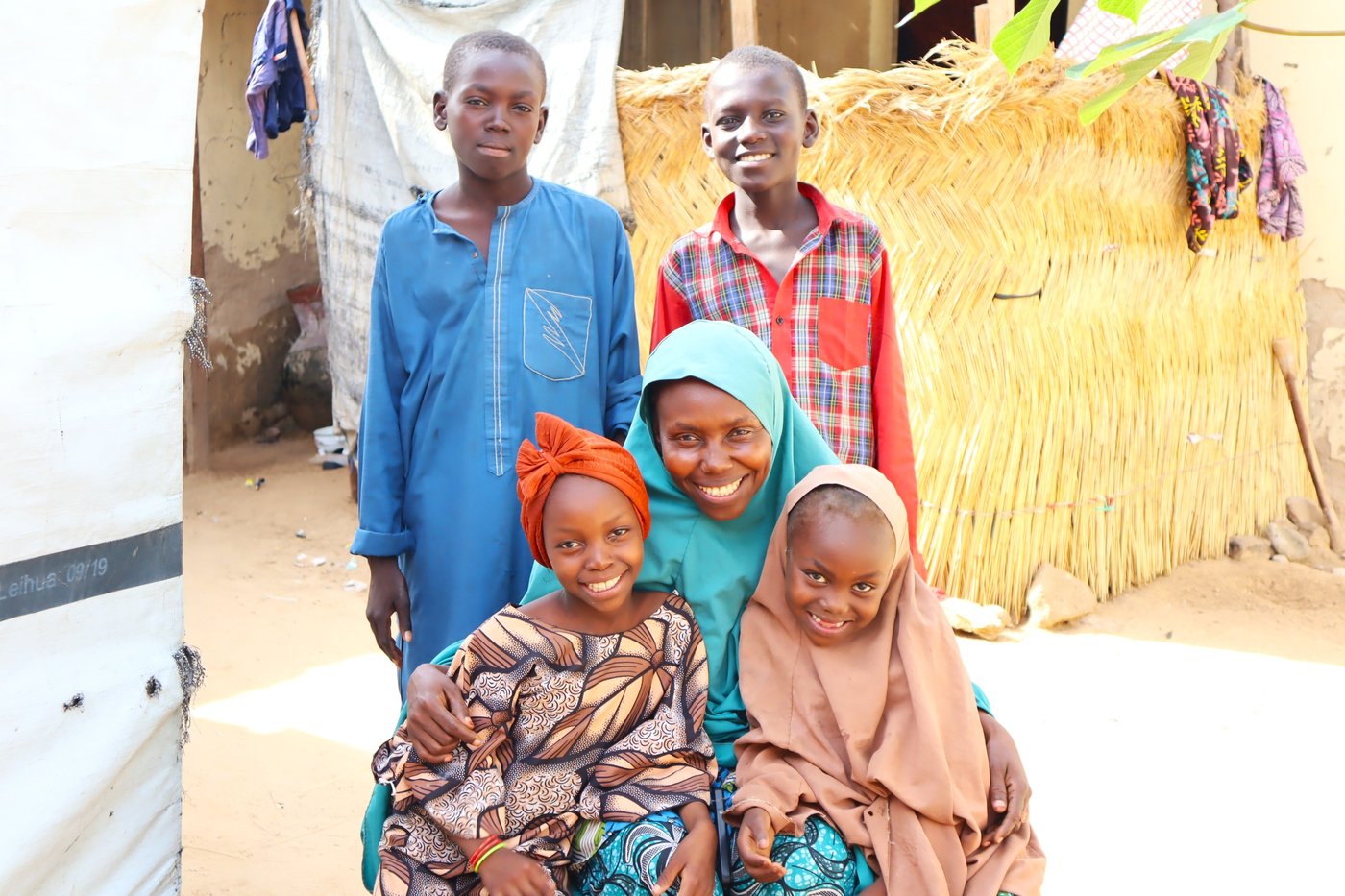
Protection means more than temporary relief for Bintu
Originally from Banki in the Bama Local Government Area of Borno State, north-east Nigeria, Bintu lost her husband to the conflict and was left to care for her four children alone. As the insecurity worsened, the family was forced to flee their home and seek safety elsewhere.
After displacement, Bintu eventually relocated to Dalori, where she and her children were allocated temporary shelter. Although they had a place to stay, she had no reliable source of income and struggled to provide food and meet other essential needs.
With few options available, Bintu continued relying on charcoal production to support her family. At times, her children accompanied her on the journeys to collect firewood.
When survival became a protection risk
The journeys became increasingly frightening for Bintu. She recalls encountering men who attempted to sexually abuse her while she was collecting firewood.
“Life was very difficult then. I had no other way to provide for my children,” she says.
The situation also affected her ability to meet her family's needs. She struggled to cover expenses such as food and her children's education.
For Bintu, the challenge was not simply finding an income. The way she was earning that income was putting her and her children at risk.
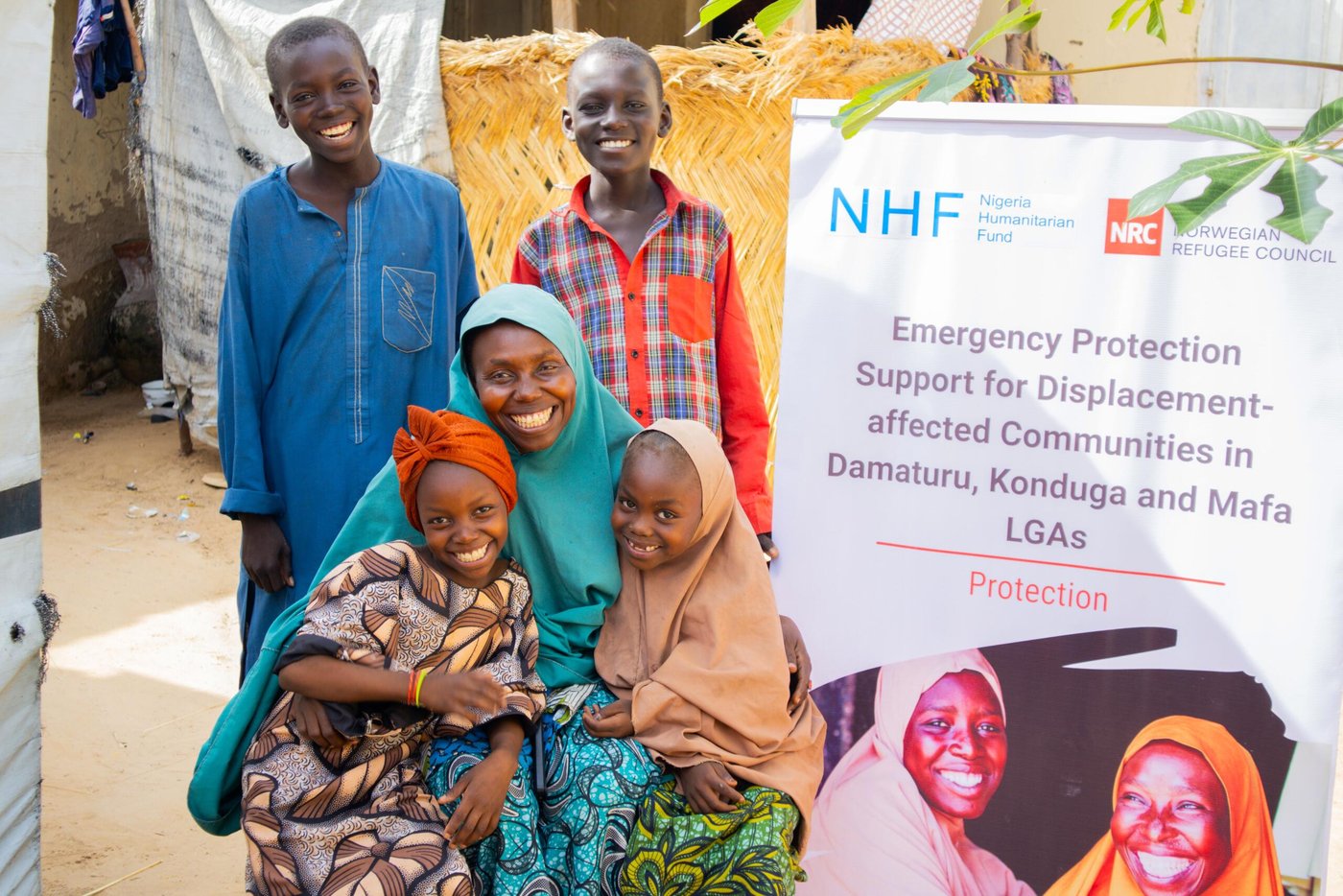
Addressing an immediate protection risk
Following an individual protection assessment, the Norwegian Refugee Council (NRC) identified the risks Bintu faced while travelling to remote areas to collect firewood. She was then enrolled in NRC's Individual Protection Assistance programme and received one-off cash assistance of N150,000 (equivalent to US$111) to help address these immediate concerns.
The assistance was intended to help address the immediate protection risks Bintu faced while relying on this way of earning a living. It gave her an opportunity to stop traveling to remote areas to collect firewood and find a safer way to meet some of her family's needs.
Bintu used N80,000 (equivalent to US$59) of the assistance to purchase charcoal for resale.
Today, instead of collecting firewood herself, Bintu purchases charcoal from suppliers within her community and sells it locally. This means she no longer needs to make the journeys that previously exposed her and her children to harm.
For Bintu, the assistance provided a practical way to reduce an immediate protection risk while continuing to support her family.
A safer way forward
Bintu now carries out her income-generating activities within her community. The income she earns helps her meet some of her family's daily needs, including food and other essentials. The additional income also helps her contribute towards meeting her children's educational needs.
For Bintu, the assistance has helped reduce her exposure to danger and made it easier for her to meet some of her family's daily needs. She continues to work to provide for her children and hopes to build a more secure future for her family.
“I pray that God will continue to bless those who support people in need,” she says. “I also hope that you will continue supporting us until we are able to stand on our own and, one day, help others as well.”
Bintu's experience shows how timely protection assistance can help address immediate risks by supporting practical solutions. In her case, the assistance helped her move away from a situation that exposed her to harm and adopt a safer way of supporting her family.
