

In 2025, the work of humanitarian aid agencies in the occupied Palestinian territory was more essential than ever, with international NGOs alone delivering approximately USD 1 billion in assistance to people in urgent need. Israel ended the year by threatening to strip Palestinians of this support.
What’s threatening the support to Palestinians in need?
On 30 December, the Norwegian Refugee Council (NRC) received formal notice from Israeli authorities that our current registration would expire the next day unless we handed over our staff’s sensitive personal data.
Thirty-six other organisations, including Médecins Sans Frontières and Oxfam, received the same notice.
Transferring our staff’s sensitive personal data would be a breach of humanitarian principles as well as our duty of care and data protection obligations.
This requirement is unprecedented and is something that NRC and the other international NGOs are simply unable to comply with.
Why does it matter?
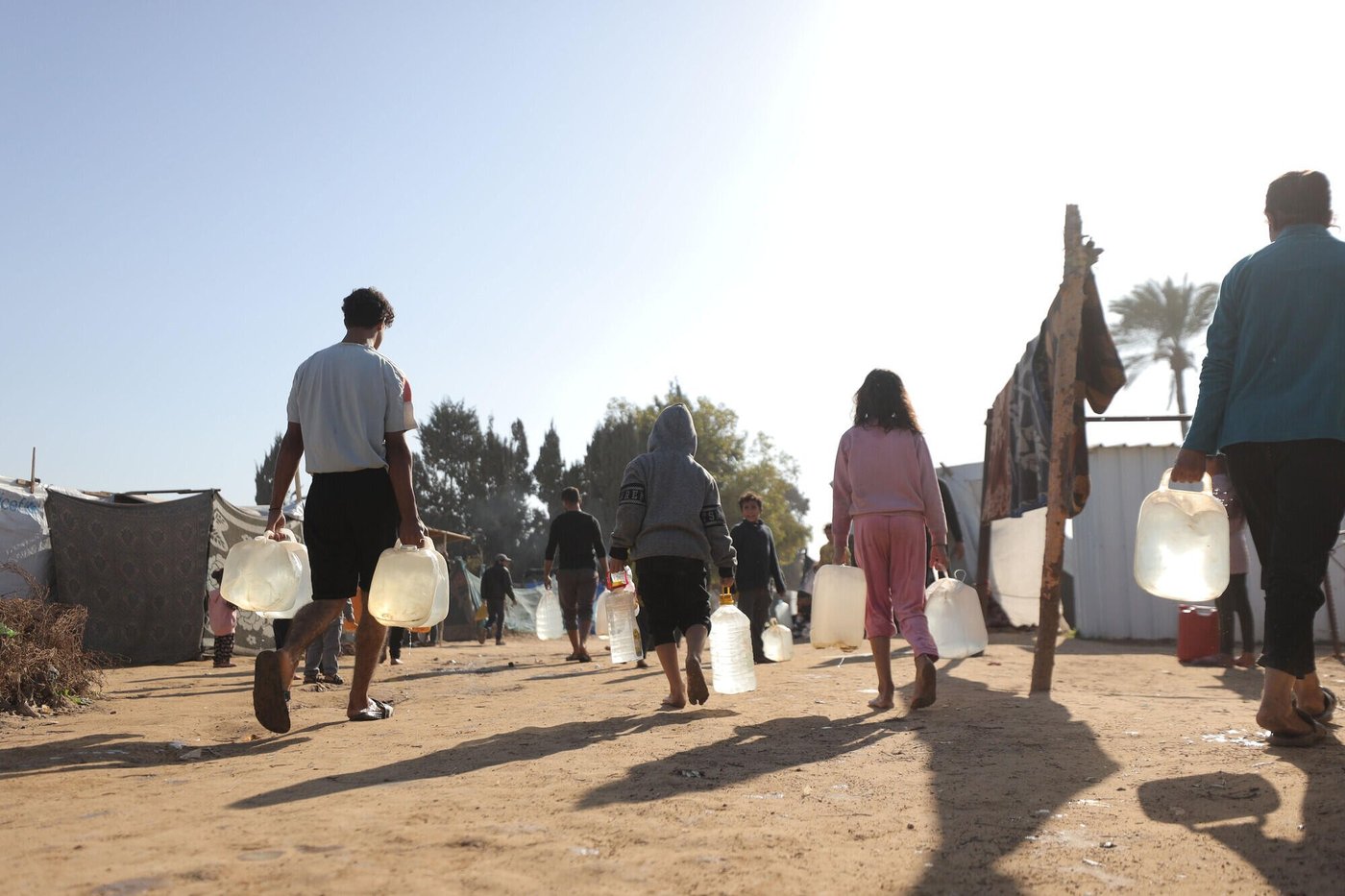
In Gaza, a fragile ceasefire came into effect in Gaza in October, yet civilians remain in urgent need of food, medicine, shelter, clean water and other essential items and services.
More than 70,000 Palestinians have been killed and 170,000 injured over two years of hostilities, and the death toll continues to rise. 1.9 million people – around 90 per cent of the population – have been forcibly displaced, often multiple times.
In the West Bank, the largest displacement crisis since 1967 is underway. More than 35,000 Palestinians have been displaced by Israeli military operations, settler violence, and demolitions.
Put plainly, support from humanitarian organisations is more critical than ever.

What do humanitarian organisations do in Palestine?
In Gaza, international NGOs manage or support:
- More than 50 per cent of all food assistance
- 60 per cent of field hospitals
- 75 per cent of shelter activities
- 100 per cent of treatment for children with severe acute malnutrition
Since October 2023, NRC has supported more than 1.2 million people in Gaza and the West Bank with critical services. And our teams on the ground remain committed to continuing to serve Palestinian communities in need.
Right now, our teams are:
- Constructing tents to provide more classroom space in schools hosting displaced children.
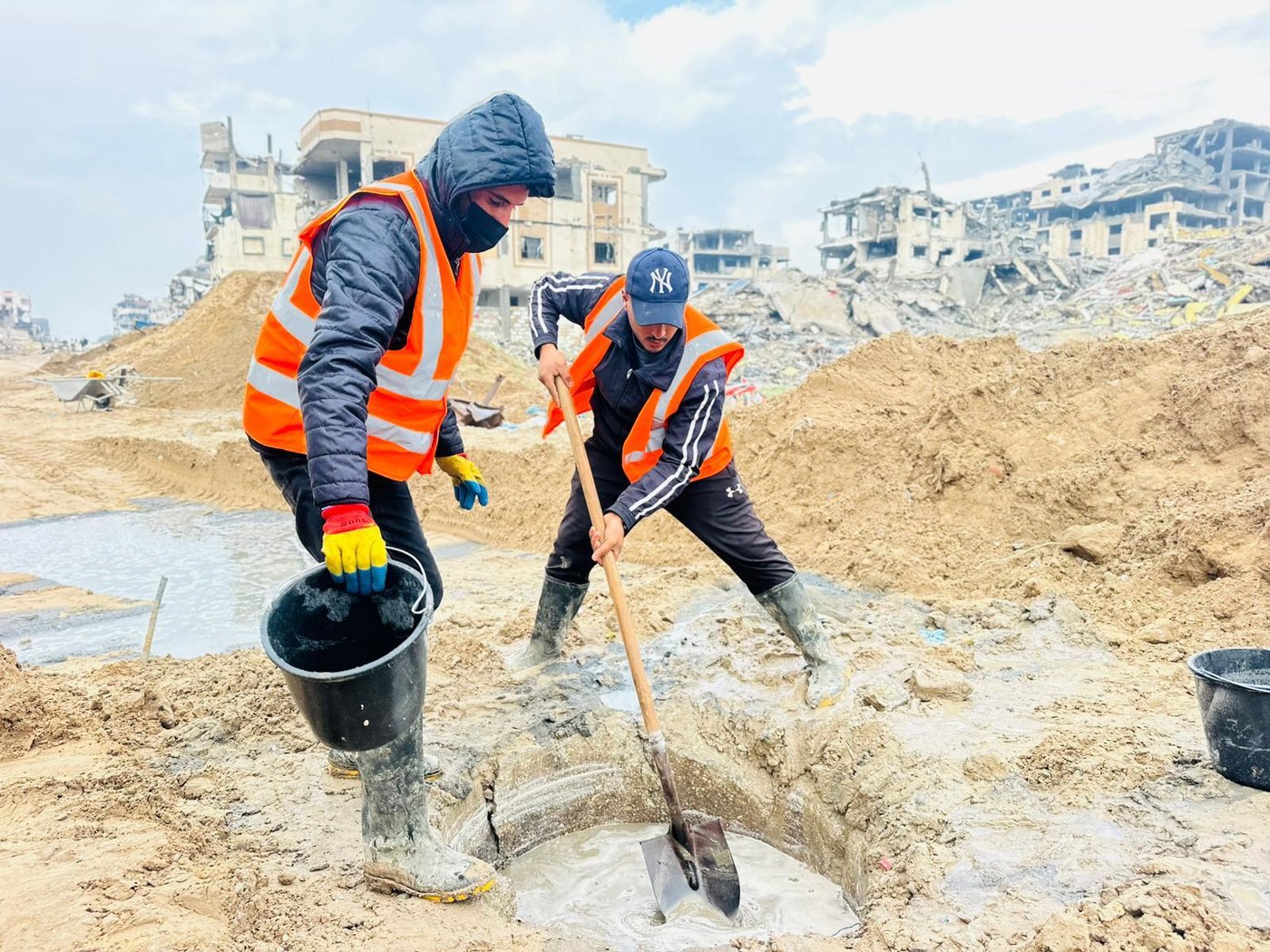
- Clearing solid waste to help reduce flooding during winter storms.
- Distributing tarps and blankets to provide some warmth and comfort.
- Providing psychosocial support to children through our Better Learning Programme.
- Delivering clean drinking water to families.
- Providing legal assistance to enable people to access their rights.
- And so much more.
Has the work stopped?
Despite the challenges, NRC and other humanitarian organisations are continuing to provide a lifeline to people in Gaza and the West Bank. Our teams on the ground are committed to continuing to serve Palestinian communities in need. We call on the Government of Israel to immediately halt their deregistration proceedings. It is still not too late to reverse this.
Independent, principled humanitarian operations must be protected to ensure civilians can receive the assistance they urgently need.
