
My name is Ahmad and I work in Lebanon with the Norwegian Refugee Council. Today I am writing to you not only as a humanitarian worker, but also as a father.
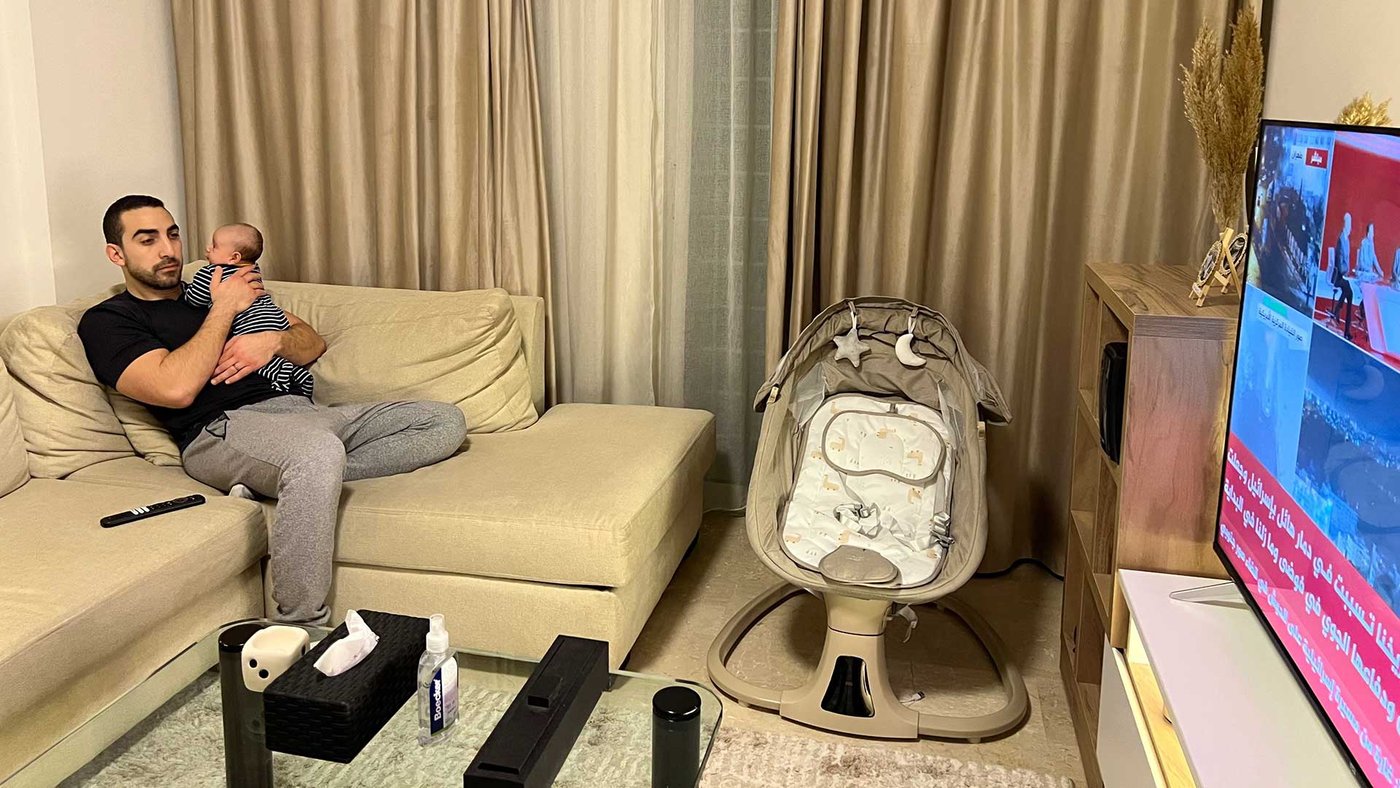
Lebanon: a message from a new father
Dear reader,
When the situation started stabilising after the escalation of hostilities in 2024, my wife and I felt something we had not felt in a long time: hope.
Lebanon was beginning to recover. A new president had been elected, a new government had been formed, and for the first time in years, it felt like the country might finally turn a page. Like many families here, we decided it was time to move forward with our lives and grow our family.
Today, our baby is only a month old and instead of welcoming him into a peaceful home, we are raising him in the middle of another escalation. More than for myself or my wife, I fear for our baby. Since the beginning of March, I have tried to stock up on formula and diapers, and to think of what he might need if the situation worsens. At one month old, none of this is his fault, and yet he’s already growing up surrounded by fear and uncertainty.
Across Lebanon, the sound of bombs has once again become part of daily life. At night, the explosions echo across Beirut. To help our baby sleep, we play white noise next to his crib so the sound of the blasts do not wake him. It is a strange coping mechanism for new parents: trying to drown out the sound of war.
Sleep has become rare. Many nights we wake up suddenly to the sound of explosions. Once you hear them, you cannot fall asleep again. I often turn on the news and start following what is happening across the country, trying to understand where the strikes are and whether our loved ones are safe.
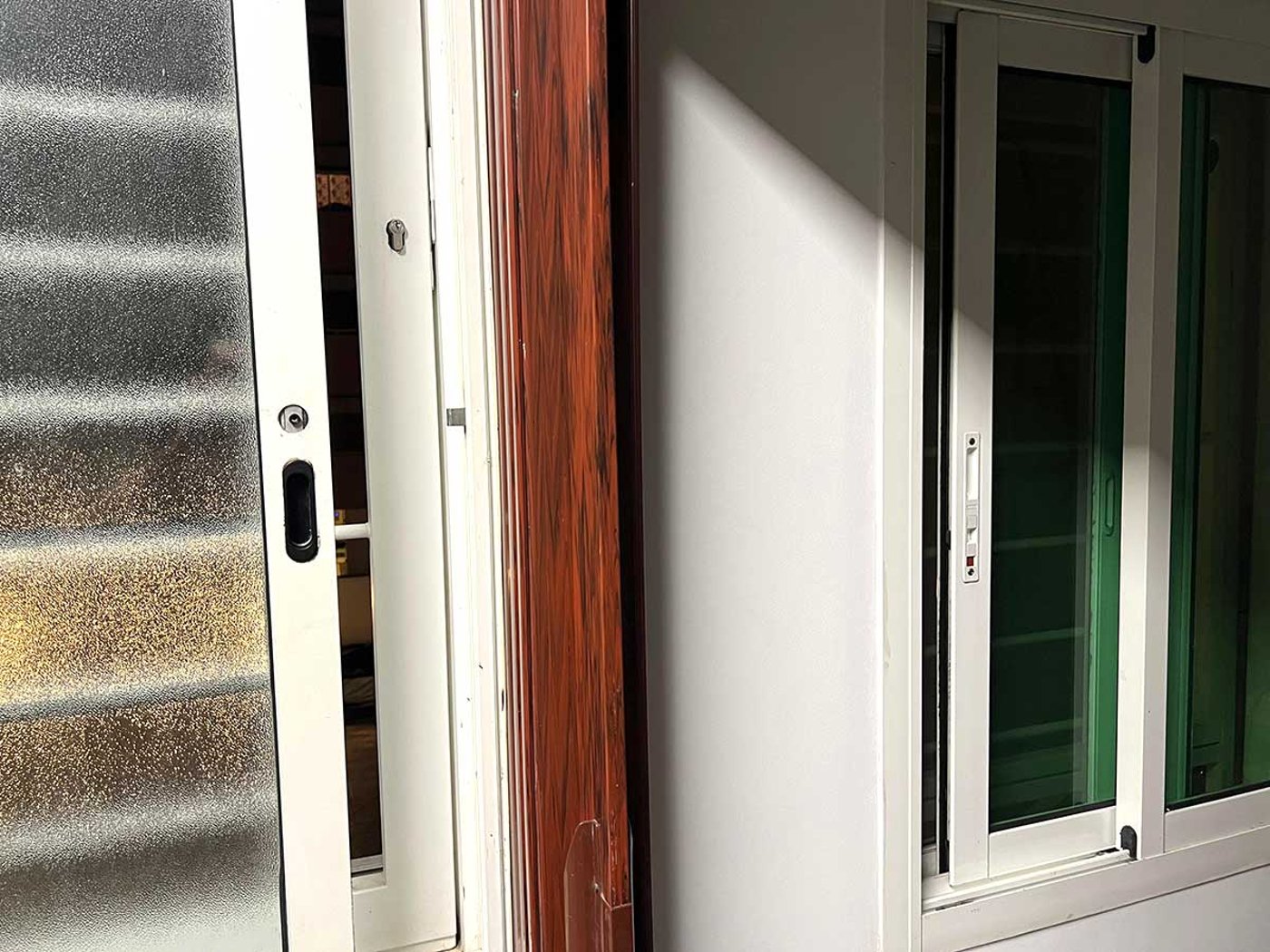
In our home, we have started doing things I know many families in Lebanon are also doing again. We keep the windows slightly open at night. It may sound strange, but if a strike hits nearby, open windows reduce the pressure and prevent the glass from shattering. These small routines become ways of coping with fear.
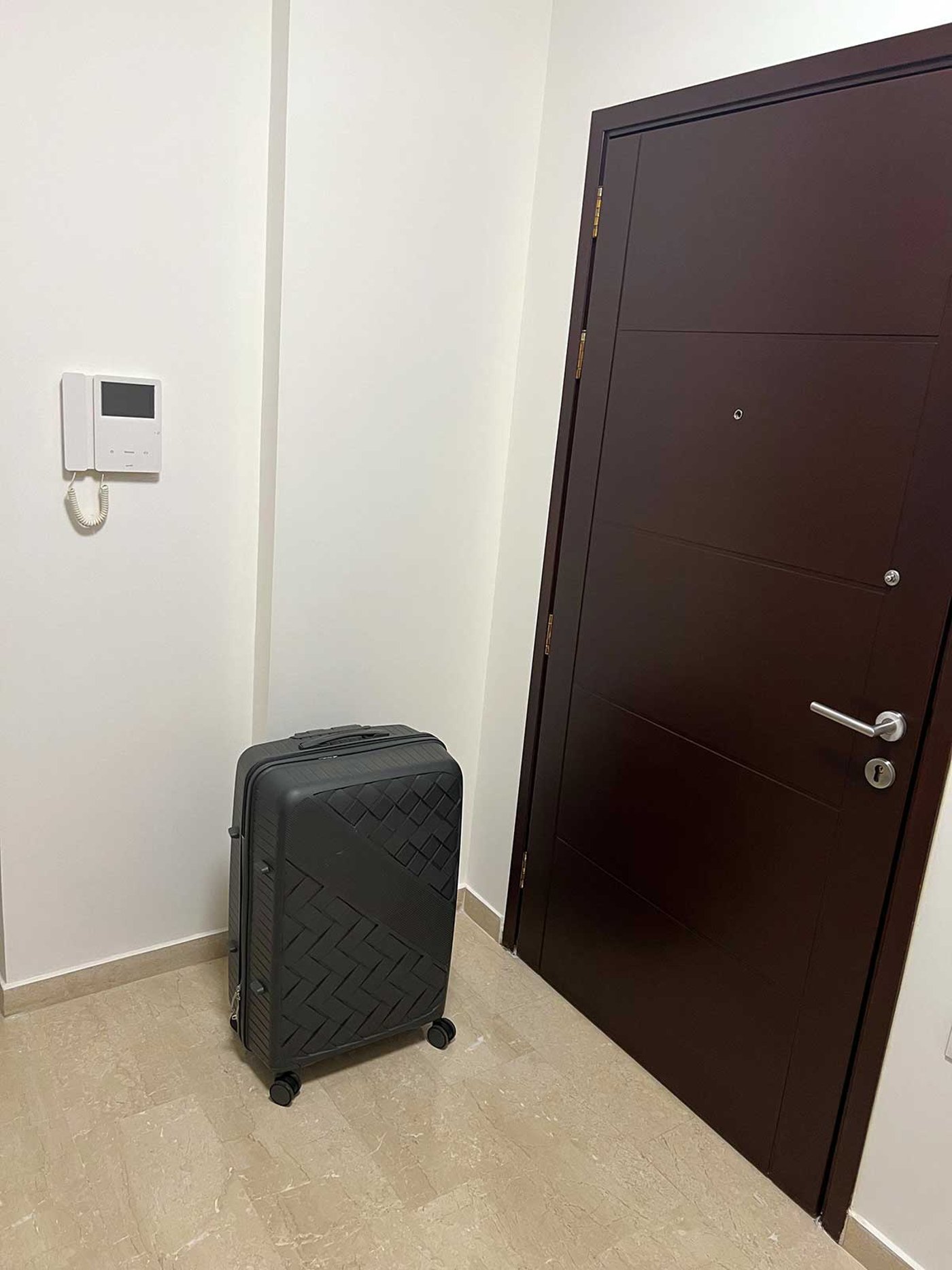
Near our front door we have a bag with our passports, important documents, some clothes, water, and a few snacks, just in case we have to leave suddenly.
Sometimes in the middle of the night, my wife wakes up terrified by a loud explosion. When that happens, I try to calm her by saying it was just a loud car passing in the street. I know it is not true. But sometimes it helps her go back to sleep.
We are fortunate compared to many others. Our home is in an area that has not been directly affected by the mass evacuation orders issued across Lebanon. Hundreds of villages in the south have been ordered to evacuate. The entire southern suburbs of Beirut have been threatened. Areas in North Bekaa have also been affected.
Around 65 of my own colleagues have been forced to leave their homes. My heart is truly with them, because I know how hard the situation is for everyone. Today it is them, and tomorrow it could be us.
Despite everything, every morning we come to work.
And when we walk through the doors of our office or a distribution site, we try to leave our fear behind. We focus on the people who need us most: families sleeping in schools turned into shelters, people trying to cope with fear and uncertainty, elderly people who have been displaced again.
But the truth is that we are also struggling inside, and we have the same fear and uncertainty as the families we are trying to help.
We live a dual life.
The psychological scars of this escalation are deep. Even the sound of a loud door closing or a truck passing in the street can make people jump.
Lebanon has already endured years of compounded crises, economic collapse, political instability, and repeated cycles of violence. Now hundreds of thousands of families are forced to flee once again, many with nothing but the clothes of their backs. They are in urgent need of basic support to survive.
At the Norwegian Refugee Council, we are doing everything we can to respond. Our teams are distributing essential items such as mattresses, blankets and hygiene kits, and supporting families who have lost almost everything.
But the numbers of people who need support are enormous, and they continue to grow.
Funding the humanitarian response in Lebanon today is critical. Every contribution helps families rebuild a sense of safety and dignity.
Because behind every number is a family like mine, trying to protect their children, trying to hold on to hope, and trying to survive another day.
Thank you for standing with the people of Lebanon.
Warm regards,
Ahmad Badr
