
“It was suhour [the pre-dawn meal consumed during Ramadan] when it started. There was no warning. The bombing began and we left immediately,” says Hadi, who has been forced from her home in Beirut’s southern suburbs.
Lebanon: “We fled with only the clothes we were wearing”
For many families in Lebanon, the peace of a pre-dawn meal was shattered in an instant. As the conflict across the Middle East reaches a terrifying new tipping point, hundreds of thousands are being forced from their homes with nothing but what they can carry.
From the suburbs of Beirut to the border villages in the south, a familiar nightmare is returning, forcing civilians to pay the price of a war they didn't ask for.
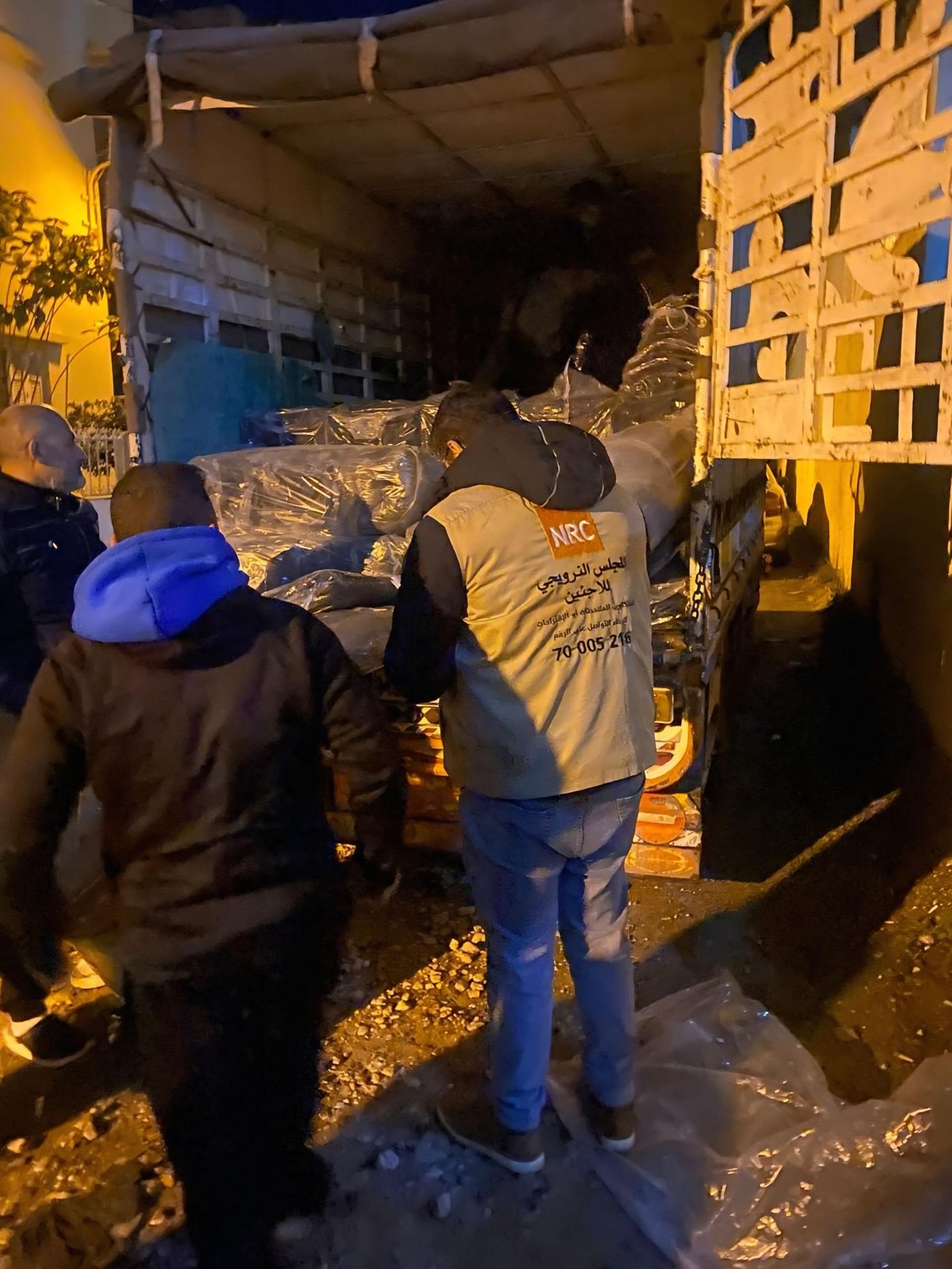
NRC colleagues on the ground are doing everything they can to provide displaced families with the basic items they need to sleep and stay clean.
The crisis in the Middle East is escalating,
and families affected by the war need support.
You can make a difference.
In Lebanon, the Israeli bombings following Hezbollah's attacks have killed at least 100 people and injured hundreds.
Thousands of people have been forced to flee since the escalation of the war in Lebanon, including several staff members at the Norwegian Refugee Council (NRC) and their families.
Zainab was forced to evacuate from Houla in southern Lebanon. “We spent nearly 10 hours on the road stuck in traffic before reaching Beirut,” she says. “People were leaving in the middle of the night.”
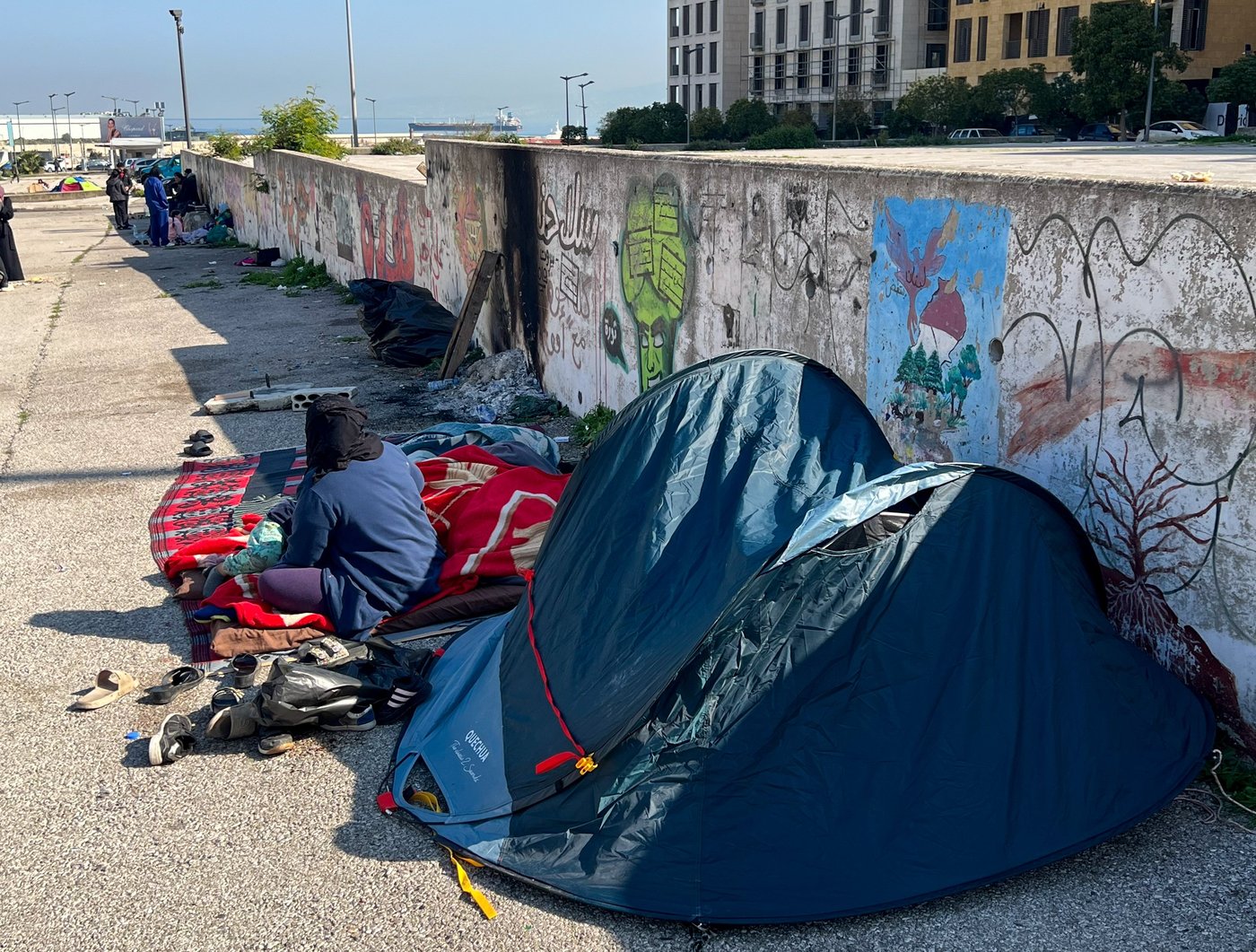
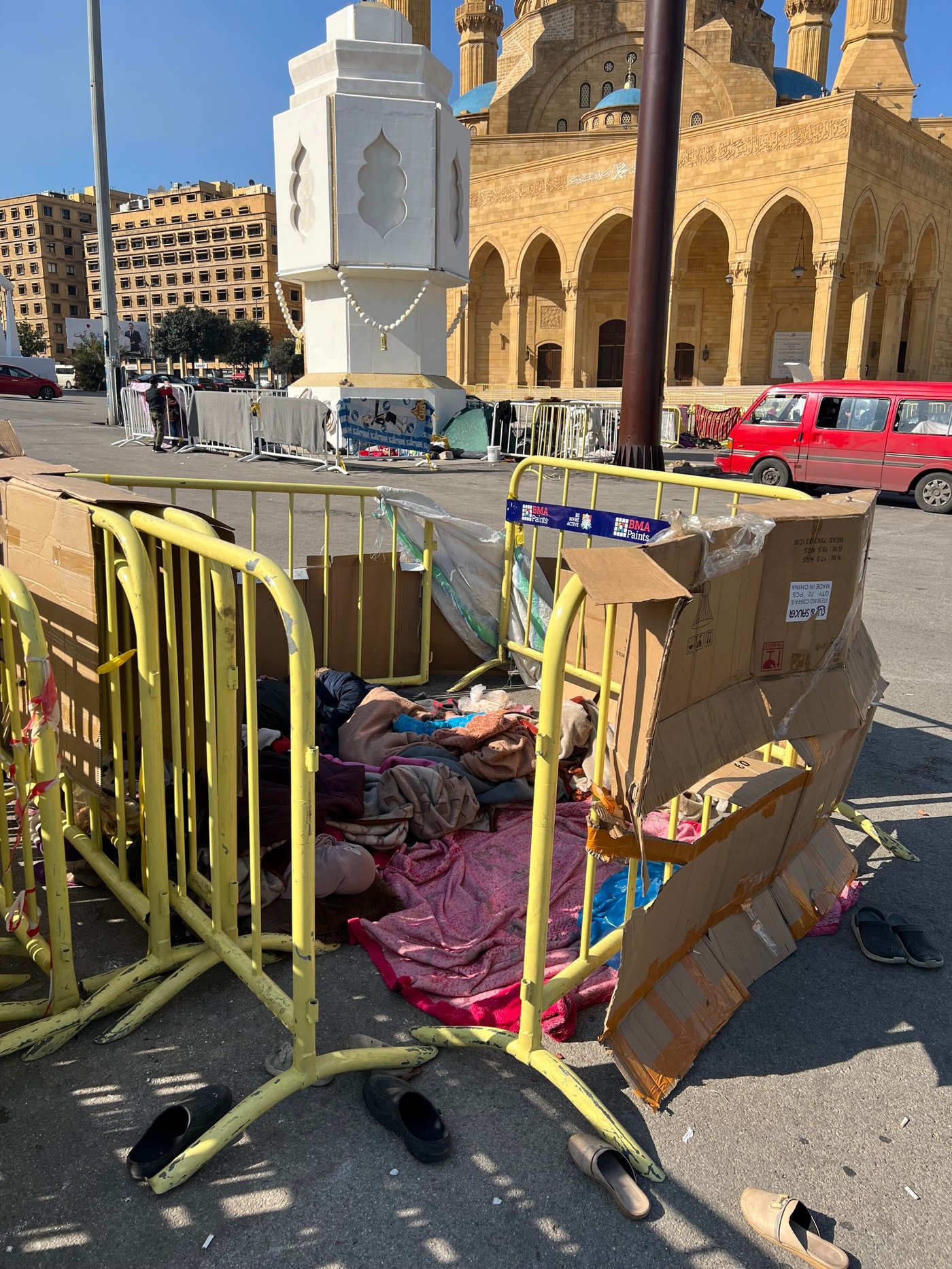
Now, these families are searching for shelter, of which there is not enough.
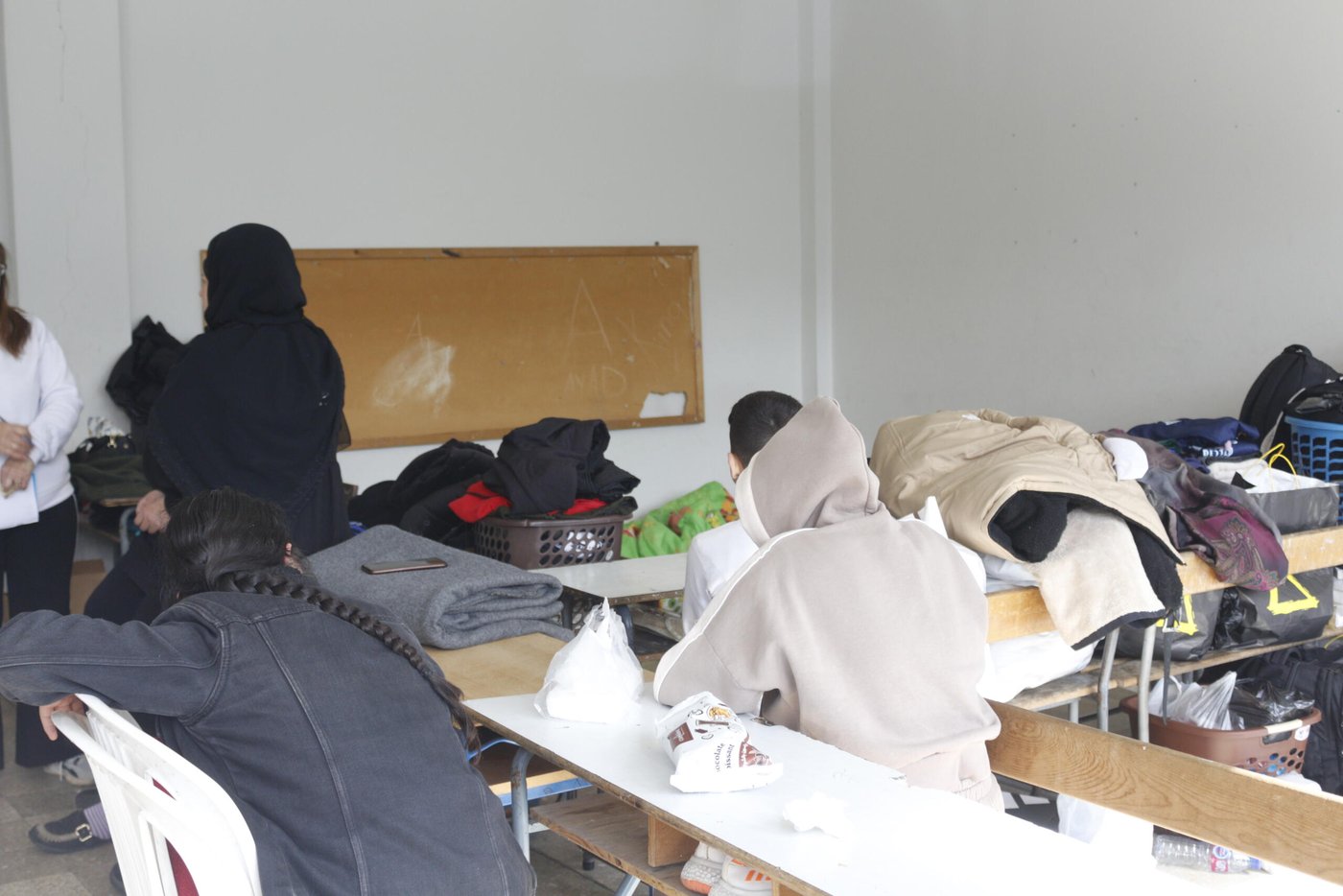
More than 83,000 people are staying in collective shelters, including schools and mosques, while tens of thousands of others are sheltering with relatives or friends. Many people have to sleep in their cars, trying to arrange a safe destination.
On Wednesday, Israel issued a warning calling on the entire population south of Lebanon’s Litani River to evacuate - a move that will disrupt many more lives.
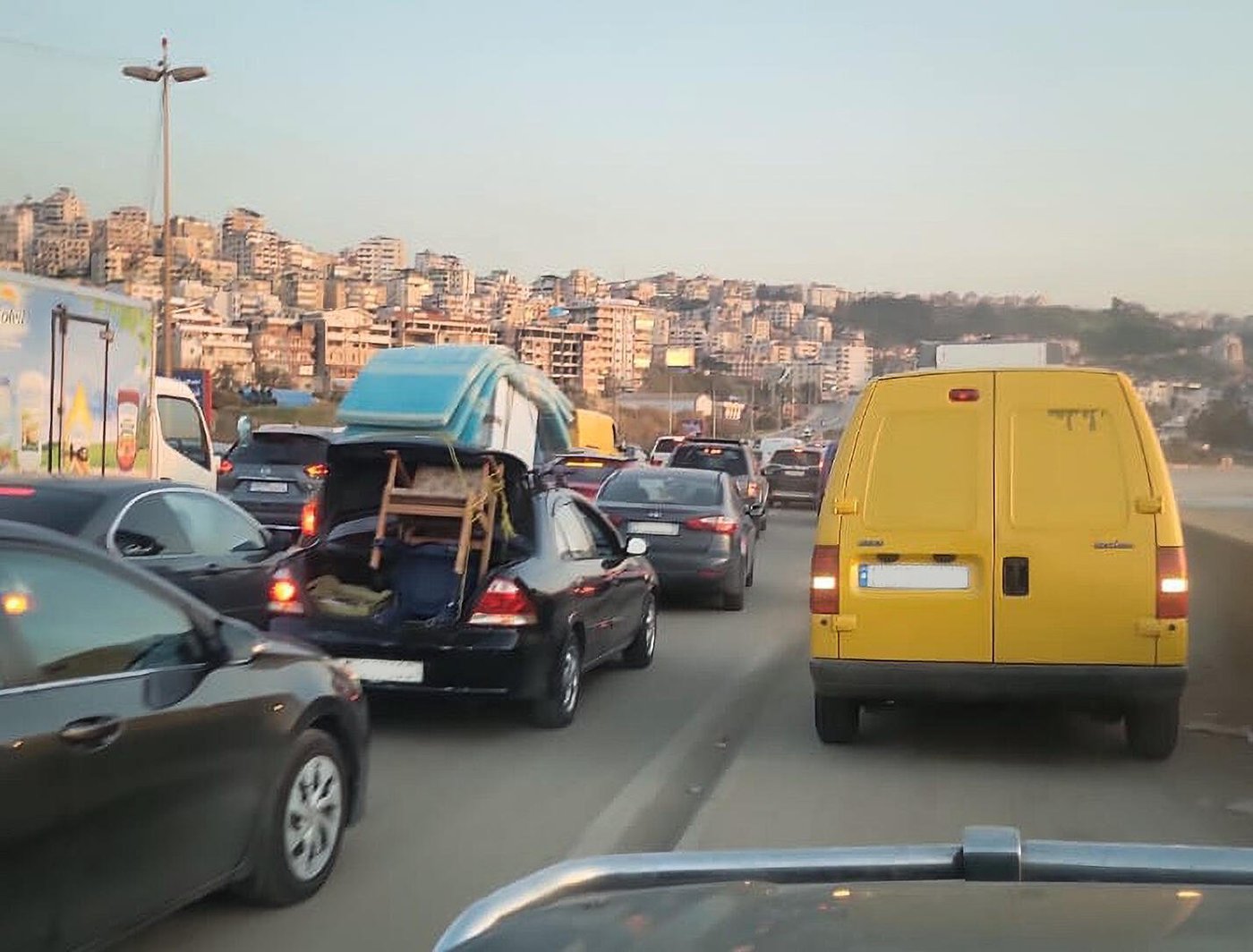
“Displacement is pushing families into overcrowded schools and improvised shelters,” says Maureen Philippon, Country Director for NRC in Lebanon.
“Our colleagues on the ground are doing everything they can to provide displaced families with the items they need to sleep and maintain minimum hygiene,” says Maureen. “Once again, it is civilians who are paying the highest price. Families deserve safety, dignity, and the chance to live without fear.”
The crisis in the Middle East is escalating,
and families affected by the war need support.
You can make a difference.
