
On 10 August, a 7.4-magnitude earthquake struck western Colombia. In seconds, it damaged over 160,000 homes, claimed hundreds of lives, and upended daily life for around one million people.
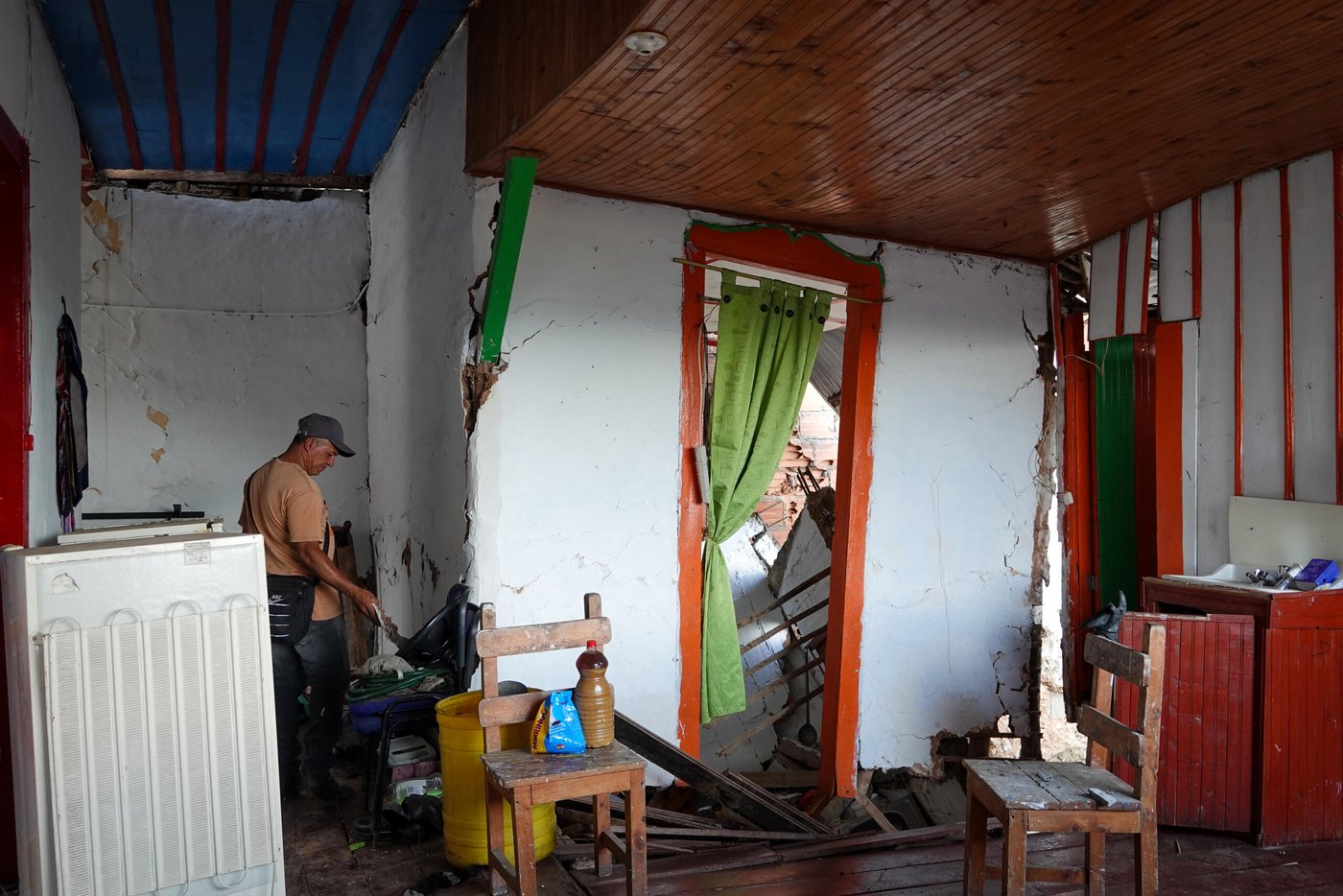
Inside the aftermath of Colombia’s earthquake
The first seven days revealed the scale of the devastation, but also the strength of communities responding to it. Through seven testimonials, we look back at how the emergency unfolded during that first week and how what people need changes from day to day. Support will be needed long after the immediate crisis has passed as communities move from shock into the long process of recovery.
Monday
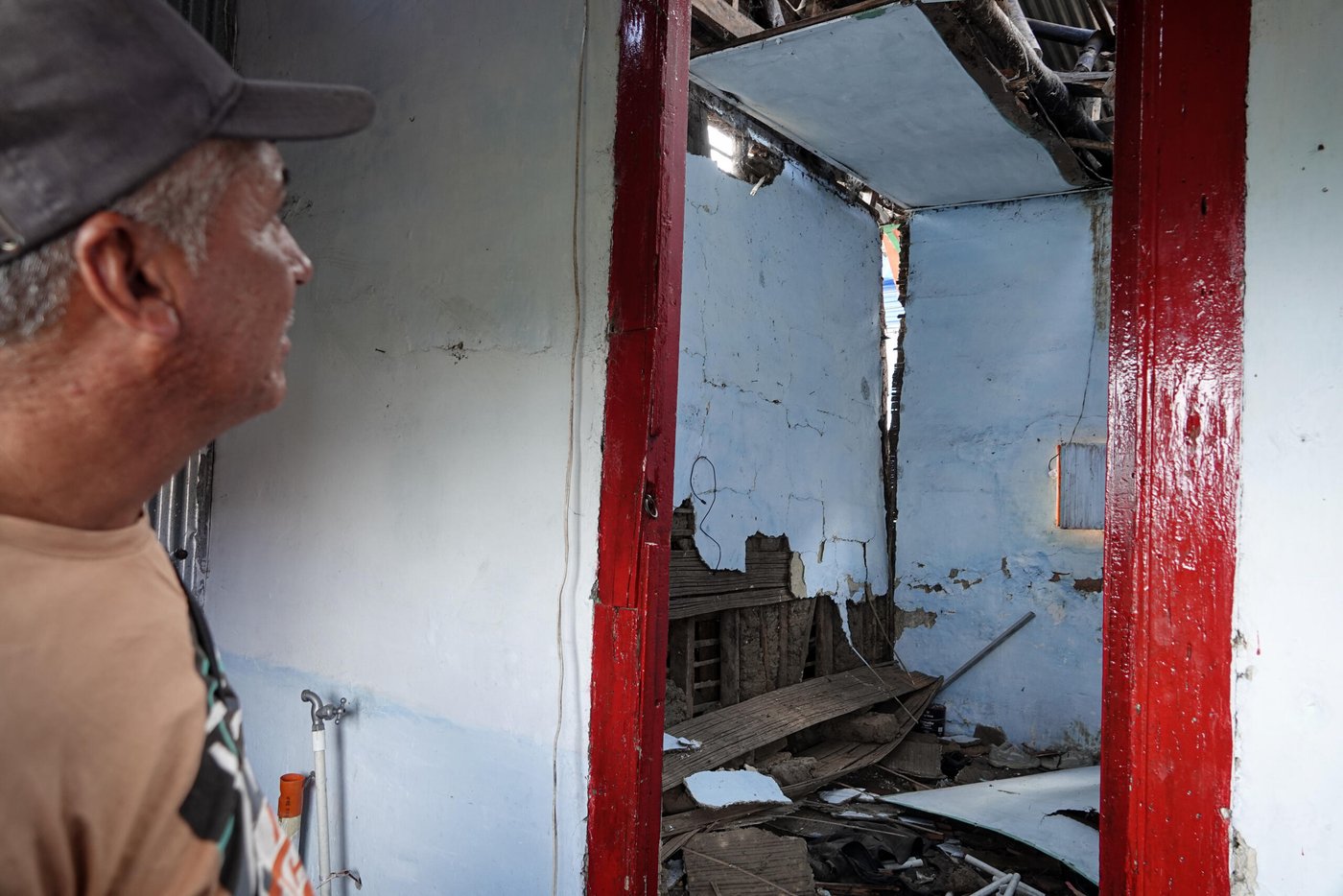
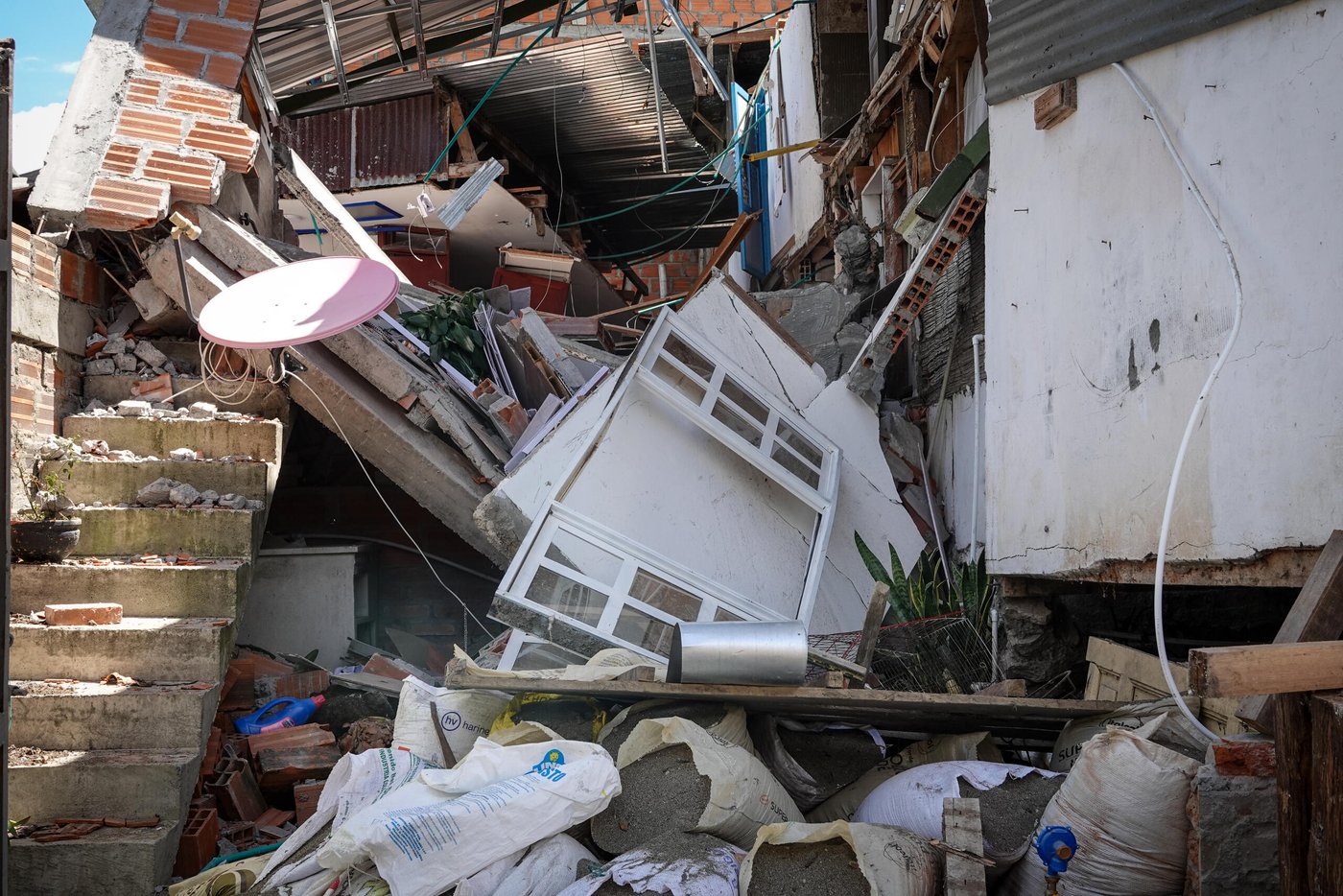
When the earthquake struck it was complete chaos. That morning had started like any normal day, but then, all of a sudden, we felt this violent shaking. We saw people running, and everything descended into chaos.Luis shares his family's reality after severe damage in western Colombia left their home completely uninhabitable
Disasters shatter ordinary lives without warning, both in towns and in rural areas. The immediate shock leaves families disoriented, desperate to find loved ones, and in urgent need of basic safety and immediate emergency humanitarian assistance.
Tuesday
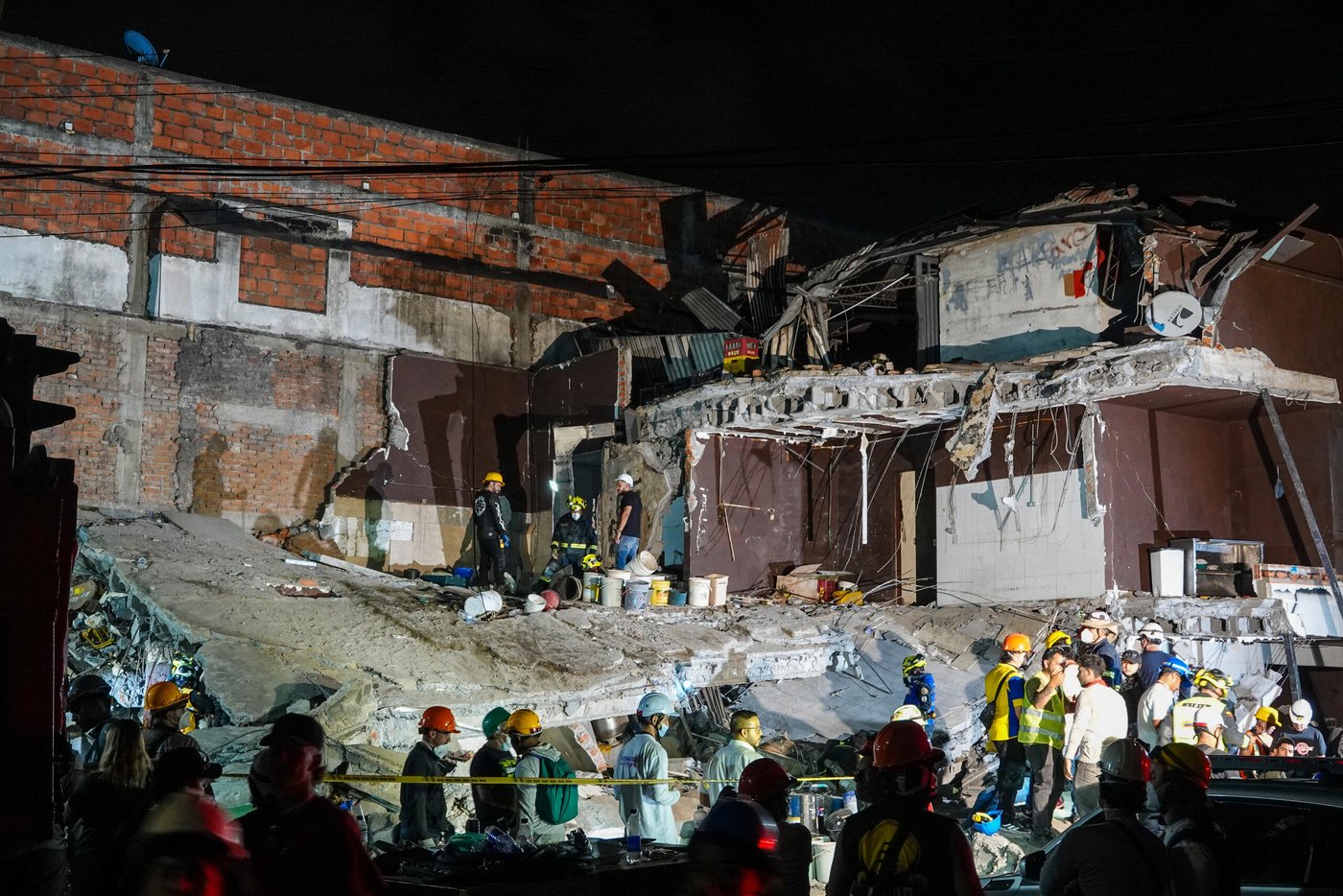
This is an experience that leaves a lasting mark. For many, it will affect their future, their work, their livelihoods, and their homes. Entire buildings have been left uninhabitable, leaving people with nowhere to go, out on the streets ...A young rescue volunteer amidst the earthquake ruins, moved by the tragedy and driven by the hope of uncovering survivors
When buildings crumble, the crisis moves into a tough new phase. Families remain trapped in limbo, some exposed on the streets, and facing total uncertainty about where they will sleep tomorrow. The humanitarian response offers hope in the face of uncertainty.
Wednesday
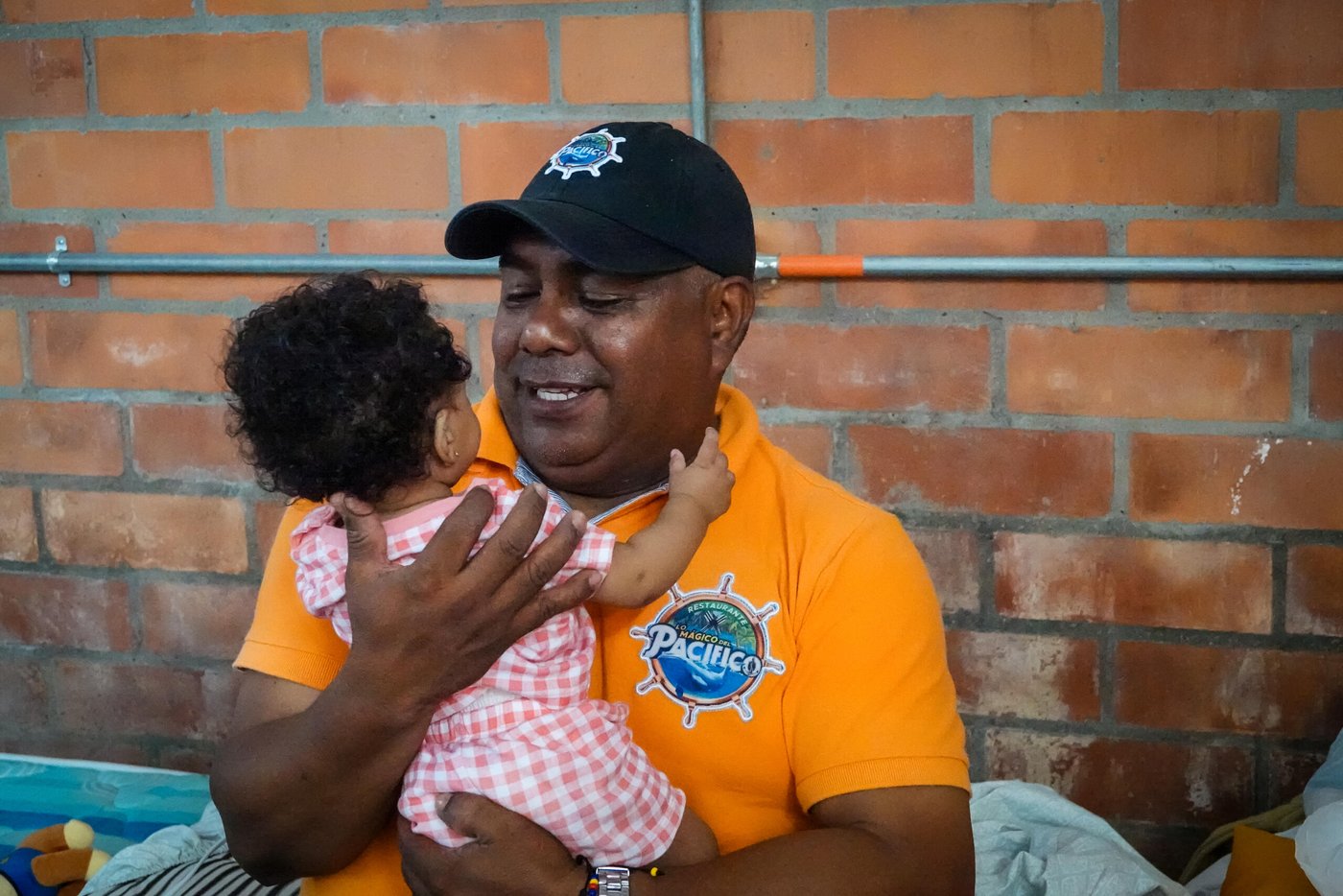
We are preparing food, preparing fish soup, and giving it to all the volunteers who are clearing rubble from the streets.Willington, a man displaced by conflict who now uses his business to offer hope amidst the crisis
In the middle of ruin, community spirit shines. Those who are affected are always the first to step up and help one another, showing remarkable strength and dignity. Willington had previously been affected by the armed conflict. Now, having lost his home to the earthquake, he and his restaurant team are cooking meals for volunteers working across the town. Solidarity must prevail, and not just for seven days. Full recovery from this earthquake could take three to four years.
Thursday
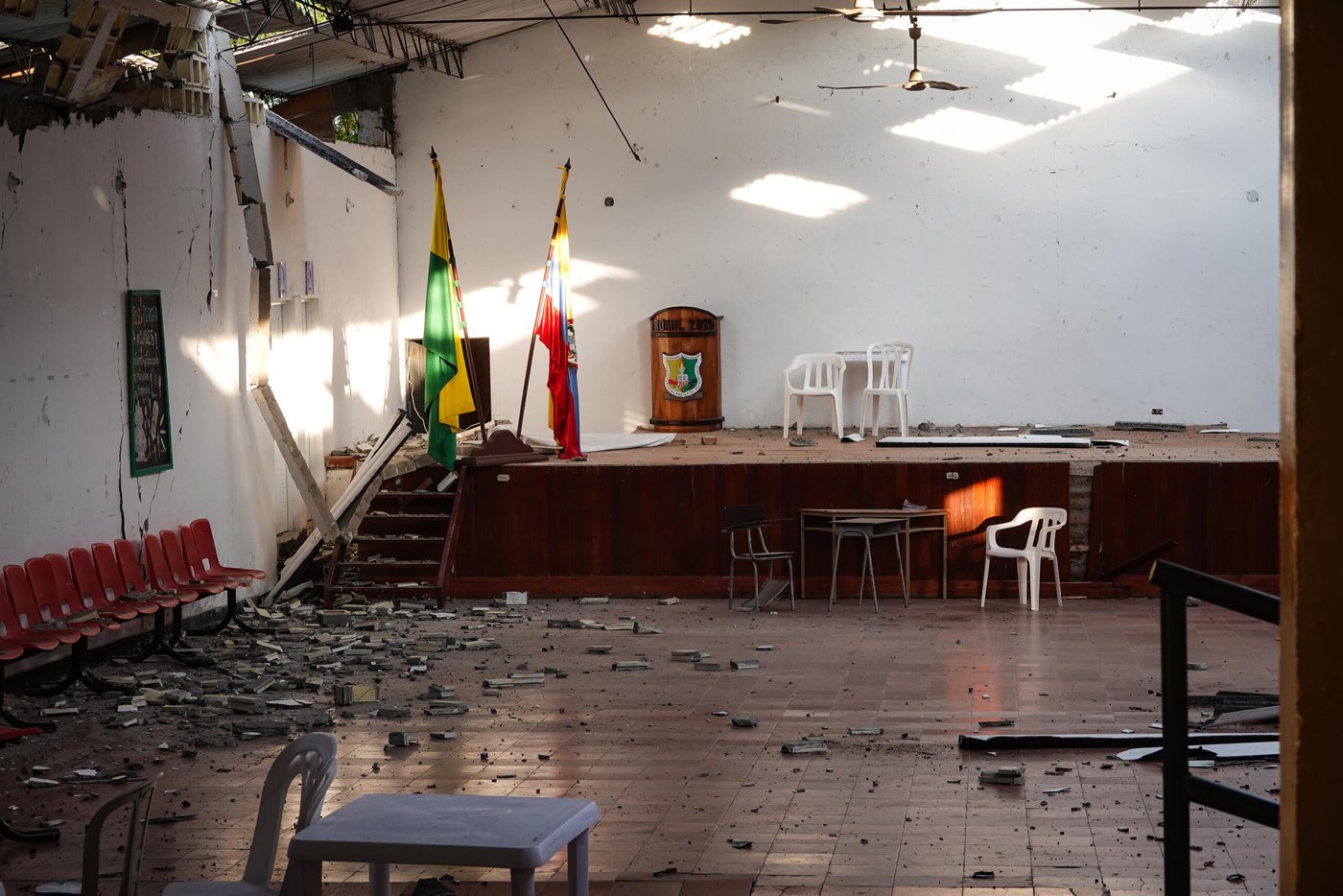
Our school was damaged in the earthquake, so my daughters can't attend classes. The plan is to teach online, but we've lost our phones and there is no internet here. My daughters feel like their future is falling behind.A mother, highlighting her daughters’ uncertain educational future in an area severely affected by the earthquake, where the sole remaining school is being utilized to store incoming humanitarian aid
Over 3,000 schools were damaged in the earthquake, disrupting education for roughly 500,000 children. Providing temporary classrooms and rebuilding damaged school buildings is vital. It restores a sense of routine, keeps children safe and offers stability when their world has turned upside down.
Friday
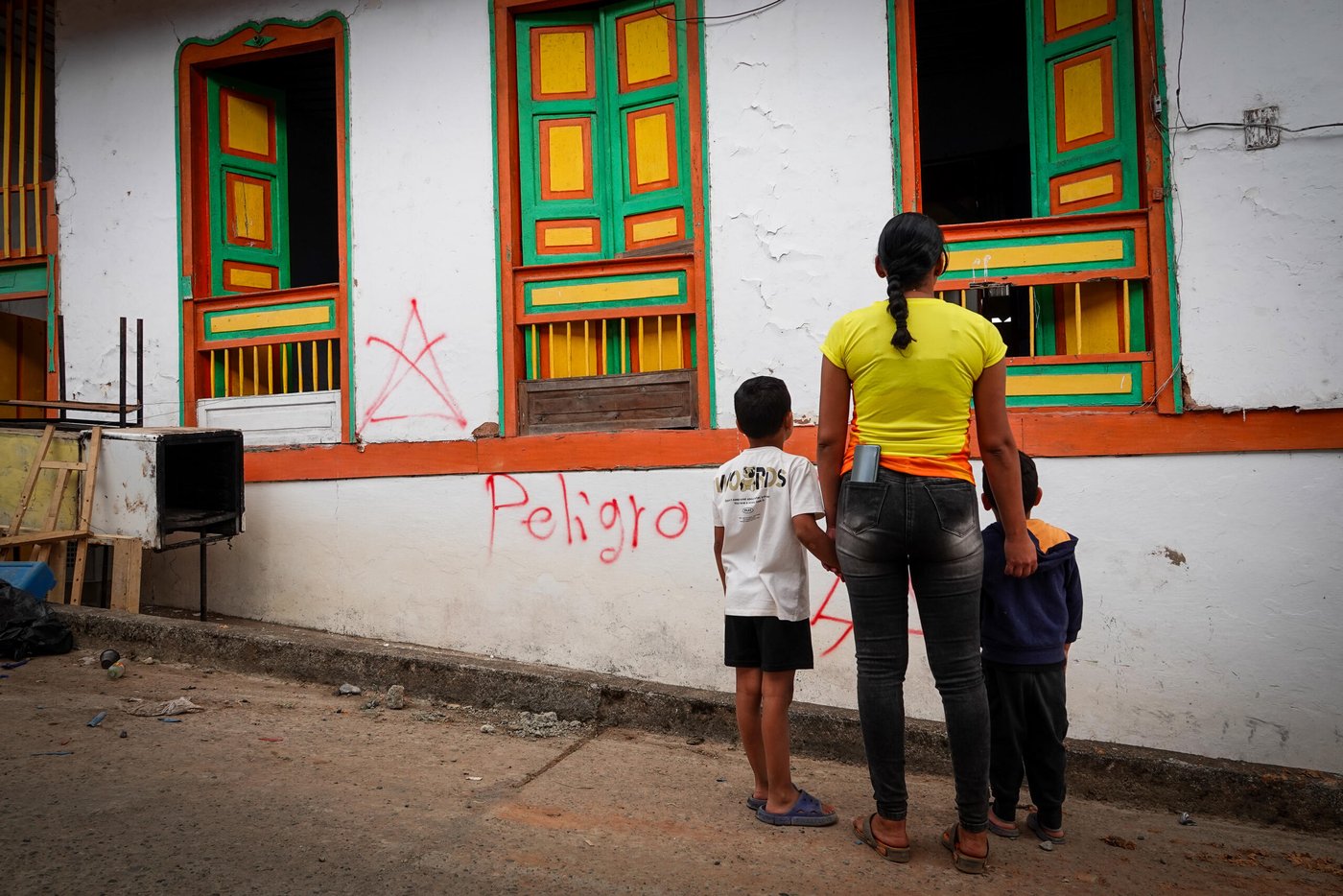
I came from Venezuela to this country after losing everything. Now, seven months after managing to buy our few belongings through immense effort, we are left with nothing once more.Yoselin, a young Venezuelan mother who left everything behind in her country and who, alongside her children, now needs all the support and solidarity they can get
Colombia hosts one of the largest refugee and migrant populations in the world, primarily from Venezuela. Many are living in areas where the earthquake struck. In just seconds, disasters erase years of hard work, stripping families of their basic belongings and forcing them to rebuild their lives from scratch once again. The humanitarian response must treat them with humanity.
Saturday
I had a home, but I lost it when I was forced to flee Guaviare. Then I went to Chocó and was displaced a second time. Now, here, I’ve lost my home for the third time.A man who fled more than 1,000 kilometres from eastern to western Colombia to escape the conflict, only for the earthquake to strike the very place he had sought shelter
Already bearing the brunt of Colombia's armed conflict, these communities are now facing the impact of the earthquake. Losing a home is devastating; losing one repeatedly tests human endurance to its limit. Humanitarian support offers a crucial safety net for families who have suffered loss time and time again.
Sunday
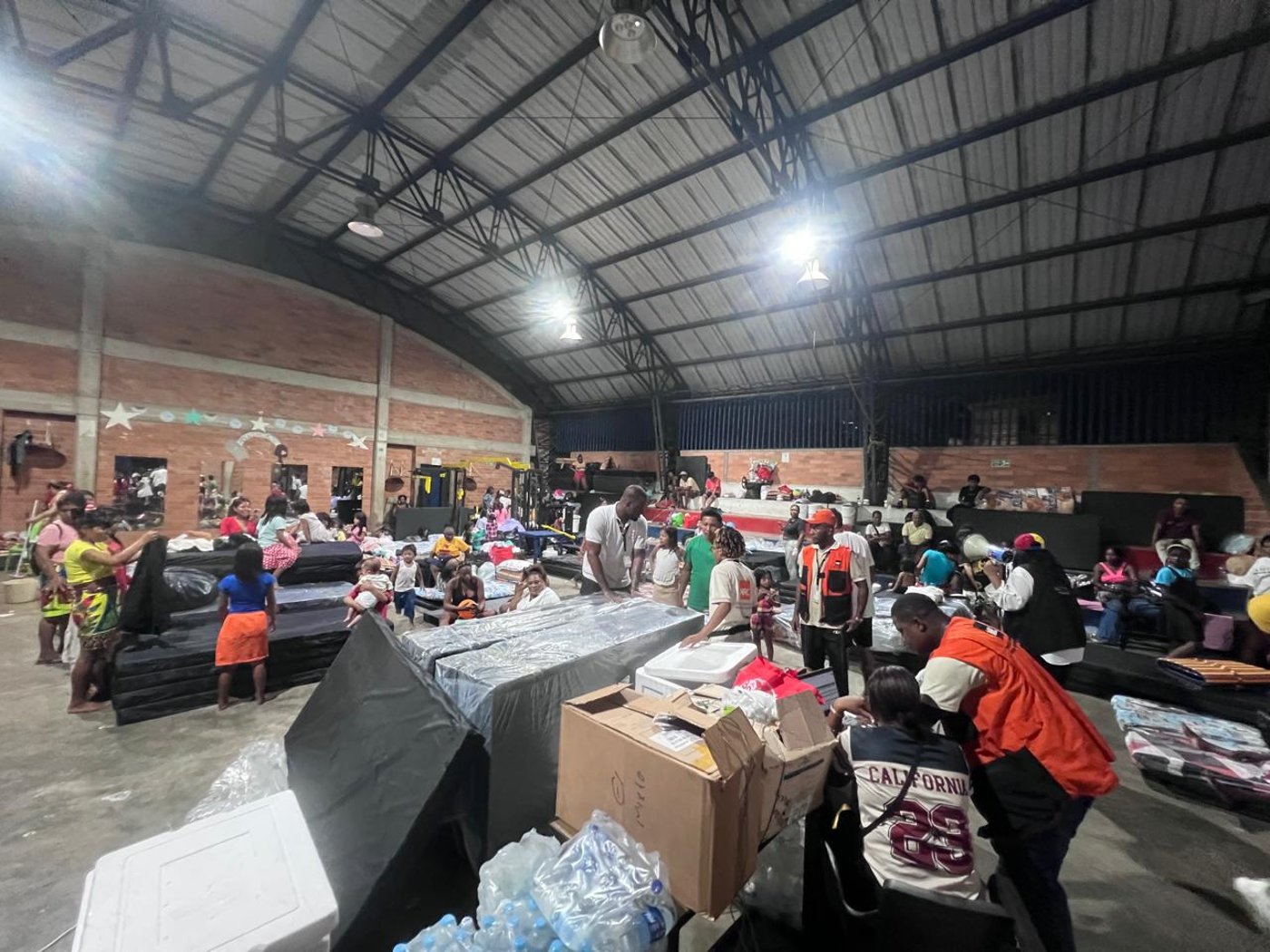
The city is left with a sense of uncertainty ... People are experiencing a great deal of anxiety, thinking, ‘I don’t know what is going to happen to my future.’ Many people are also without work.María, an earthquake survivor supported by NRC, reflects on the uncertain future facing her daughters in Chocó, a department deeply affected by conflict and high poverty rates
There is a lot to do and a long way to go. The Norwegian Refugee Council (NRC) has deployed emergency teams to deliver pillows, mattresses, blankets, cash transfers, education, clean water, and access to hygiene solutions. Inside temporary spaces, we are delivering humanitarian aid and offering key guidance in coordination with other humanitarian organisations and local authorities. We ensure that beyond physical supplies, families receive meaningful care, safety, and human warmth when they need it most.
