

I arrived in Honduras knowing I would hear difficult stories. But I wasn’t prepared to grasp, so closely, what it means to live with fear all the time. Not a passing fear, but one that shapes every daily decision: when to go out, which route to take, what to say, what to keep quiet, and often, to flee without even having time to think it through.
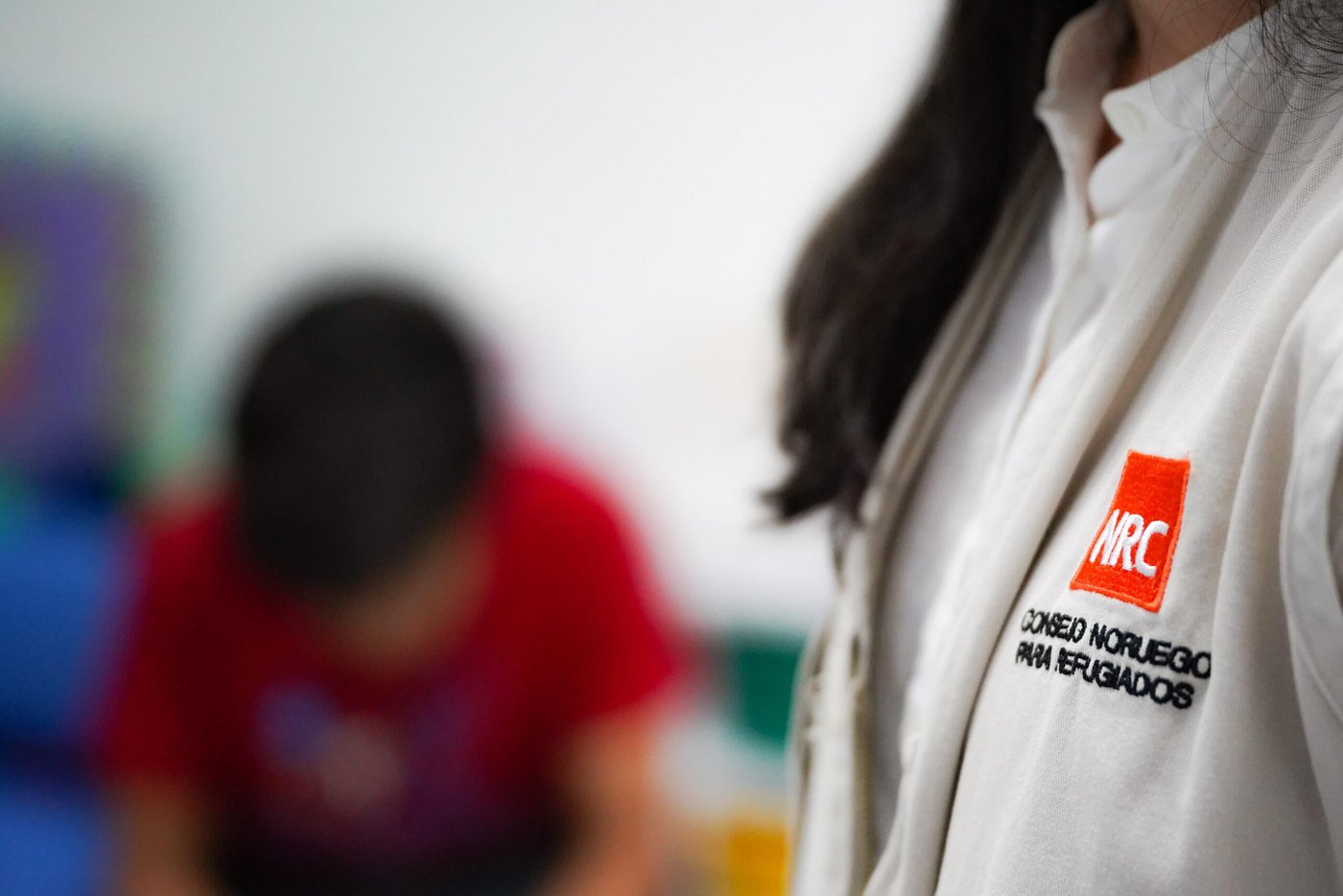
I saw and heard the fear in Honduras
This article has been written by Beatriz Ochoa, regional head of advocacy at the Norwegian Refugee Council (NRC), following a trip to Honduras in April 2026.
In our interviews with displaced families, one feeling kept coming up in different ways: You don’t just lose your home or your belongings, you lose the freedom of a normal life.
In Honduras, being forced to flee doesn’t always follow a direct attack. It often begins with a phone call, a threat, a watchful gaze that tracks a family’s movements a little too closely. A threat sent over WhatsApp or delivered on a call can displace a family just as effectively as a weapon, only without leaving a visible trace in the news.
Fear as a form of control
In several parts of the country, criminal groups assert territorial control through targeted terror. They are not looking for widespread chaos, but for precise fear, the kind that paralyses a person, a family, a street, or even a whole neighbourhood. They extort, intimidate, monitor and punish in order to make it clear who is in charge, and who has no choice.
What we heard in our interviews was not exceptional. During the last six months of 2025, 82 per cent of households surveyed by NRC through the ProLAC Initiative reported experiencing at least one protection-related threat. Forced displacement, intimidation, physical violence and extortion were the most common. In most cases, households identified criminal organisations as responsible.
Many people we spoke to had tried to seek institutional support but gave up because they are afraid of reprisals. Filing a complaint could mean putting themselves at greater risk. This is not unusual. More than half of those affected by protection threats in Honduras do not report them, mainly out of fear of retaliation or stigma. And so, they flee.
Disappear them, so others can take the land
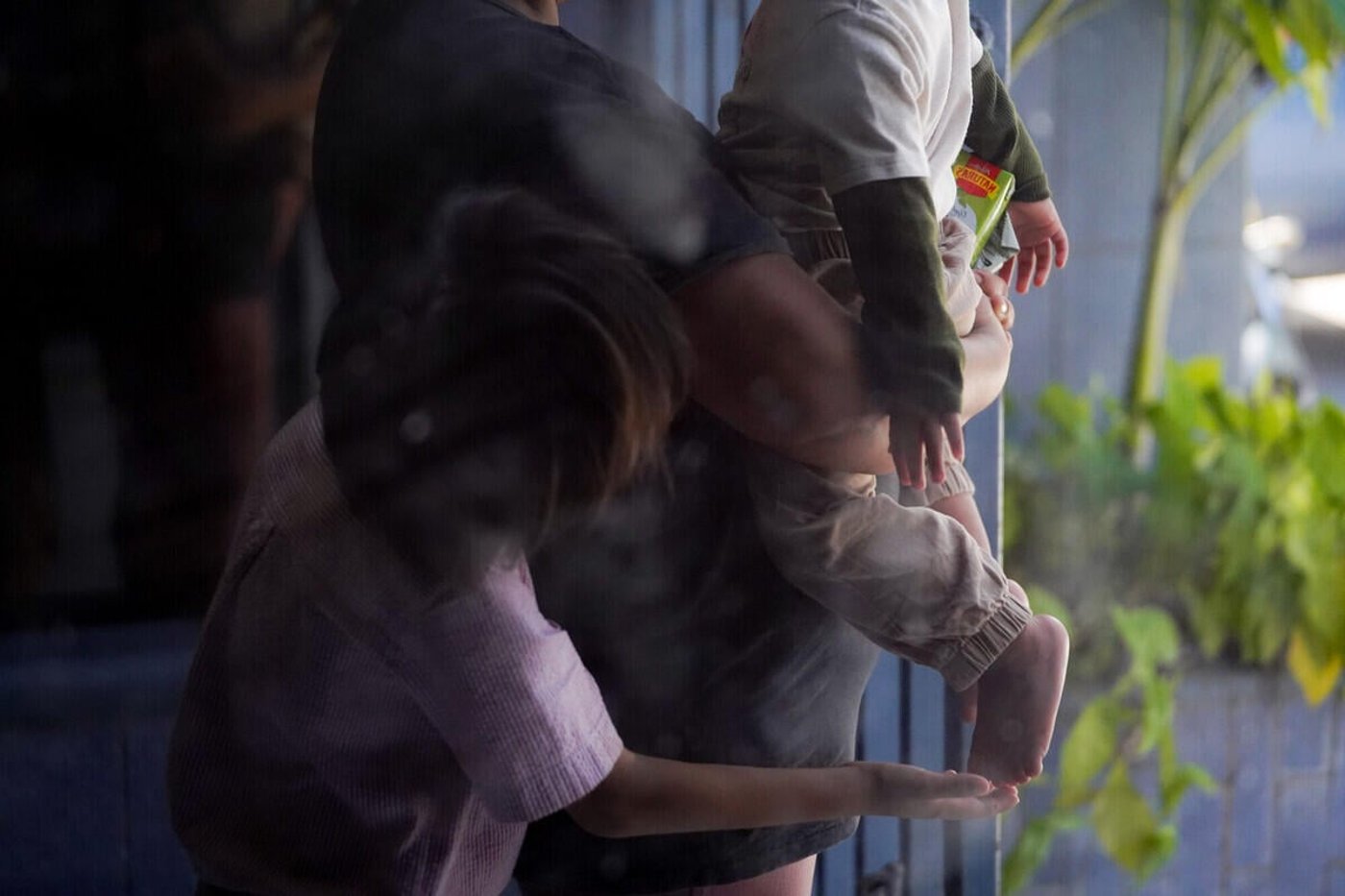
One of the interviews that affected me most was with two young sisters, one in her early twenties and the younger one, a teenager. One night, armed men broke into their house, forced them to kneel, pointed guns at their heads and took their mother away. She never came back. The next morning, the sisters had to flee as well.
This was not just a case of forced disappearance. It was also dispossession of their land. In the area they come from, territorial control is expanding. It empties entire communities and drives families out so that armed groups can take over the land and keep other groups away. We were told that some areas now have hardly any residents left.
Most displaced people say returning home would put themselves in serious danger. The message is clear: do not come back.
Without documents, housing or income, immediate humanitarian assistance and legal support are critical for reducing risks and helping them regain a minimum sense of stability.
Sexual violence as a weapon
In several testimonies by women, extortion, land grabs and territorial control were accompanied by sexual violence, threats against children and attacks specifically targeting single mothers.
In one case, a woman was kidnapped, beaten and sexually assaulted. They demanded her property. She doesn’t know how she survived. She returned home only to collect her three children and flee with them. The fear has not gone away. “You’re always watching who might be following you, who might be looking at you,” she told me.
Fear does not leave when people arrive somewhere else in search of safety. It travels with people, restricting access to education and work. People who have experienced extortion are often viewed as a risk by employers, and face stigma that limits their chances of finding a job.
Years later, many are still living in confinement as a form of self-protection. “We stay inside, mum. From home to school and from school to home,” a daughter reassures her mother.
An invisible and underfunded crisis
Despite the scale of the violence, Honduras remains a largely overlooked crisis, with limited funding or media attention. There are no camps, no spectacles that capture headlines. Displacement unfolds in fragments, quietly, drop by drop. Families take refuge with relatives, go into hiding and restrict their daily lives. My work and my trip, in part, aim to shed light on realities like this.
At the same time, this Central American country is dealing with climate disasters and mixed migration flows. Refugees and migrants of dozens of nationalities pass through Honduras, increasing pressure on communities while the humanitarian response falls short.
People who were deported to Honduras after years abroad said that when they return, they could not go back to their places of origin due to fear, leaving them in highly vulnerable situations.
In 2025, only one in every ten dollars needed for the country’s Humanitarian Response Plan was funded. Without resources, unmet needs continue to pile up, and displacement becomes permanent and recurring.
Law, political will, and the implementation gap
Honduras has a law recognising and protecting people displaced by violence. This is an important step that reflects political will. However, the lack of regulations and dedicated funding continues to limit its effective implementation.
While these mechanisms are being developed, it is urgent to use other legal tools already available to protect the rights of displaced people: the right to live, to work, to education, to health and to a dignified life. Protection cannot be put on hold until the law functions fully.
What remains after fear?
Despite everything, I left the country seeing resilience. I saw people who, after losing almost everything, are still choosing life. A woman dreaming of opening a small business. A deported father who wants to study mechanics. Mothers pushing forward for their children.
But resilience cannot become an excuse for international neglect. Fear cannot continue to be used as a tool of territorial control, and silence cannot remain the international community’s response.
About the neglected crisis report
Each year, NRC publishes its report on the world’s most neglected displacement crises. This year’s edition marks the report’s tenth anniversary. In its latest ranking, Honduras appears among the ten most neglected crises for the third time, reflecting a persistent gap between the scale of the crisis and the level of international response. In Latin America, the list also includes Colombia, appearing for the second time, and Ecuador, for the first, highlighting how violence and displacement across the region continue to be overlooked. What these rankings show is consistent: crises are not ignored because they are less severe, but because they receive less attention. The full report can be found here.
About ProLAC
The ProLAC Initiative is a joint effort co-led by NRC and the Danish Refugee Council (DRC), with funding from the European Union Humanitarian Aid. Its objective is to generate evidence on protection needs and displacement in Latin America, in order to improve the humanitarian response and strengthen advocacy in the region.
