


In Burkina Faso's Oudalan province, years of insecurity have disrupted livelihoods and made everyday life increasingly difficult. Many families have been forced to flee their homes, while movement restrictions and disruptions to supply routes have made essential goods, including food, harder to access.
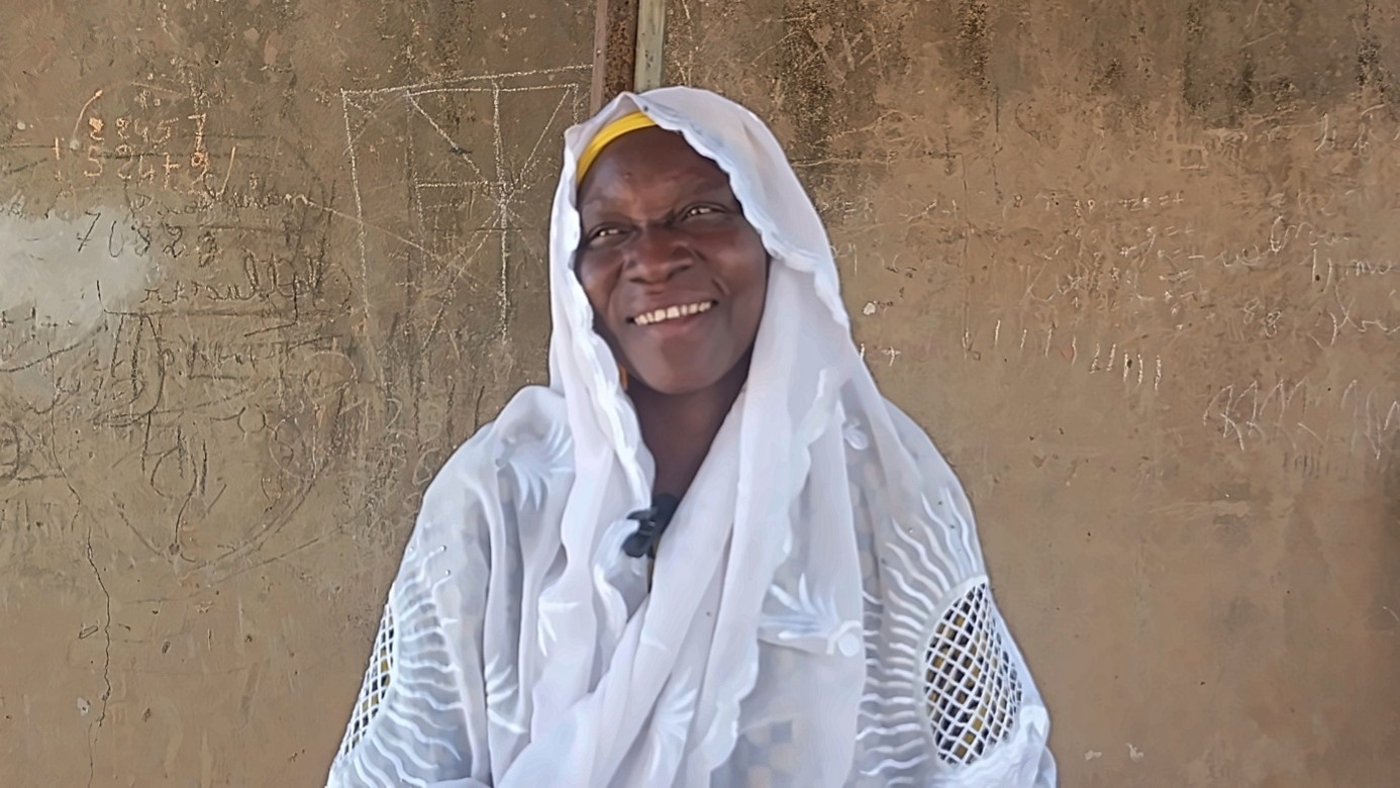
How women in Burkina Faso are raising their voices to secure access to land
For women, particularly those who have been displaced, these challenges are compounded by limited access to land and opportunities to earn an income.
But a group of women in the department of Gorom-Gorom has been determined to change that.
Finding strength in collective action
With support from the Norwegian Refugee Council (NRC), displaced women have teamed up with women from the host community to learn more about their rights and how to advocate for themselves.
Now we know that we can exercise our right.Zeynabo Zongo
Building on existing school-based mothers' associations, 60 women came together and organised themselves into two groups: Banika, meaning "peace has come" in Songhai, and Baalal baa ɓaade, meaning "helping the head of the household" in Fulfulde.
Through NRC-supported training, they gained practical knowledge in three key areas: women's land rights, financial management, and advocacy.
For many participants, the training challenged long-held assumptions about what women could claim and achieve.
"We learned a lot, especially about financial management and women's rights to land. Before, we thought that this right did not concern us. Now we know that we can exercise our right," says Zeynabo Zongo,* president of the Baalal baa ɓaade association.
Armed with this knowledge, the women decided to put what they had learned into practice.
Turning knowledge into action
With NRC's support, the women began advocating for their own needs, engaging with local authorities and community leaders to explore possible solutions. Their efforts led to discussions with the municipality and the village chief of Déibéri.
Through dialogue and mediation, a landowner eventually agreed to make a plot of land available to the women for the dry season. It was an important breakthrough, demonstrating how women can use their collective voice to influence decisions affecting their lives.
The initiative also gained support from community leaders.
"Everyone agreed, because these women are our mothers, our wives, our sisters. This concerns the whole community," explains Abdoulaye, a representative of the village chief.
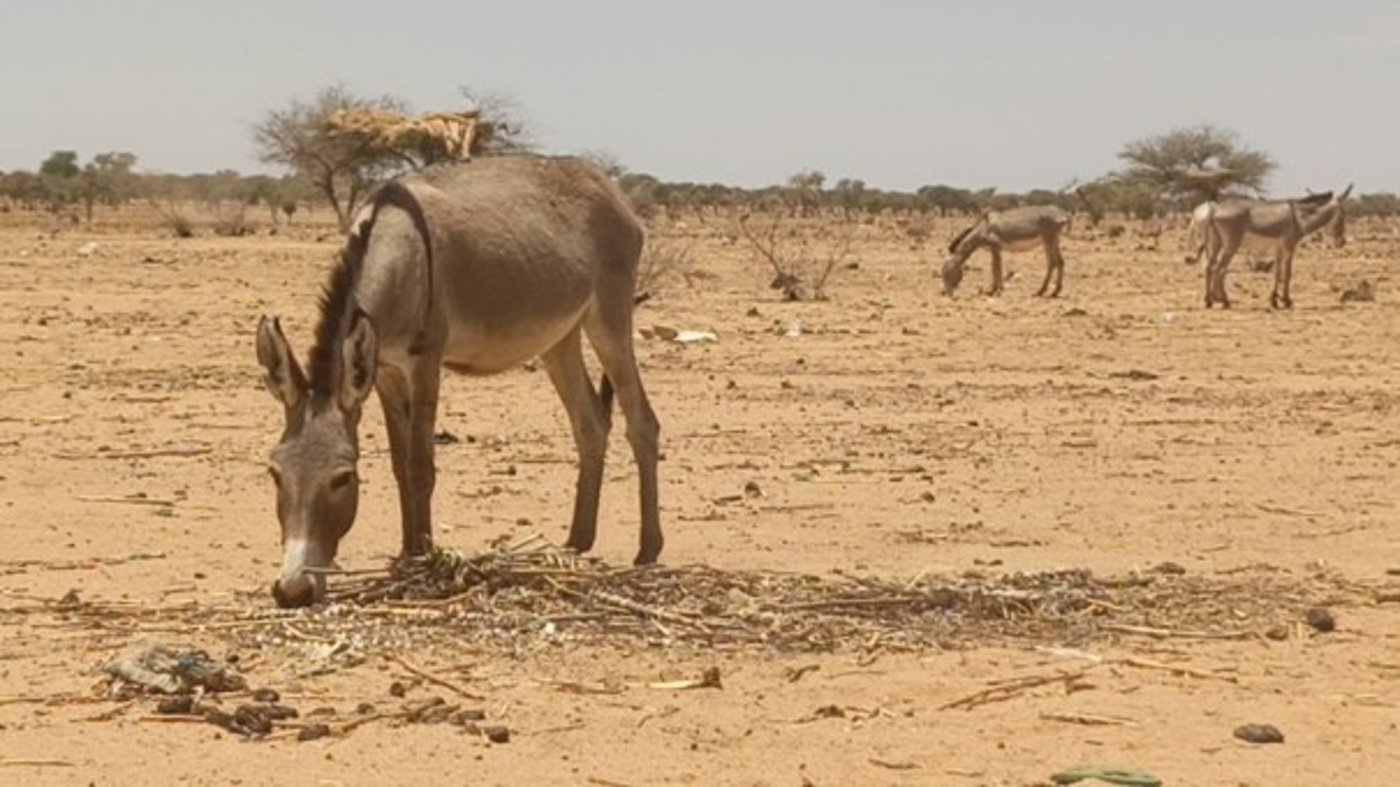
A plot of land, a new opportunity
For the women, securing access to land represents more than an opportunity to cultivate vegetables. It offers the prospect of greater independence and dignity, and a more reliable source of food for their families.
They plan to grow cucumbers, cabbages, eggplants, okra and lettuce. Some of the harvest will be used to feed their households, while the remainder will be sold to generate income.
In an area where fresh vegetables are often scarce and expensive, the women also hope their efforts will benefit the wider community by increasing the availability of locally grown produce.
"There are widows and displaced people among us. This initiative will allow us to maintain our dignity. With the income, we won't need to ask for help anymore," says Zeynabo.
Their achievement is a reminder that when women have the knowledge, confidence and opportunity to make their voices heard, they can become powerful advocates for change within their own communities.
*Names have been changed to protect the identity of the project participants.
This initiative was supported by Norway through NRC's multi-sectoral programme supporting vulnerable communities in Burkina Faso's Sahel and East regions.
