


Before violence turned his life upside down, Abdramane made a living as a farmer in the Timissa region of central Mali. The harvests from his fields enabled him to feed his family and provide for all their basic needs. But then, insecurity forced the residents of his village to flee, leaving behind their homes, their land and their livelihoods.
Abdramane and his family found refuge in the town of Sofara. Like many displaced people, he found himself in a precarious situation, forced to settle in an unfinished building with insufficient protection from the elements and in urgent need of food and safe drinking water.
“I felt weak, helpless and unable to fully fulfil my responsibilities. I was very worried about my family. Being displaced had deprived us of our livelihoods and it was becoming difficult to meet our most basic needs,” he says.
Faced with this situation, Abdramane received several types of assistance from the Norwegian Refugee Council (NRC) and its local partner FEDE, along with 15,165 other displaced people who have settled in the Mopti region. The support has helped to gradually improve his family’s quality of life.
The support I’ve received has been incredibly important for my family.Abdramane
Food aid has enabled his family to better meet their nutritional needs. Support with shelter has improved their living conditions, whilst access to clean drinking water has helped to meet a basic daily need.
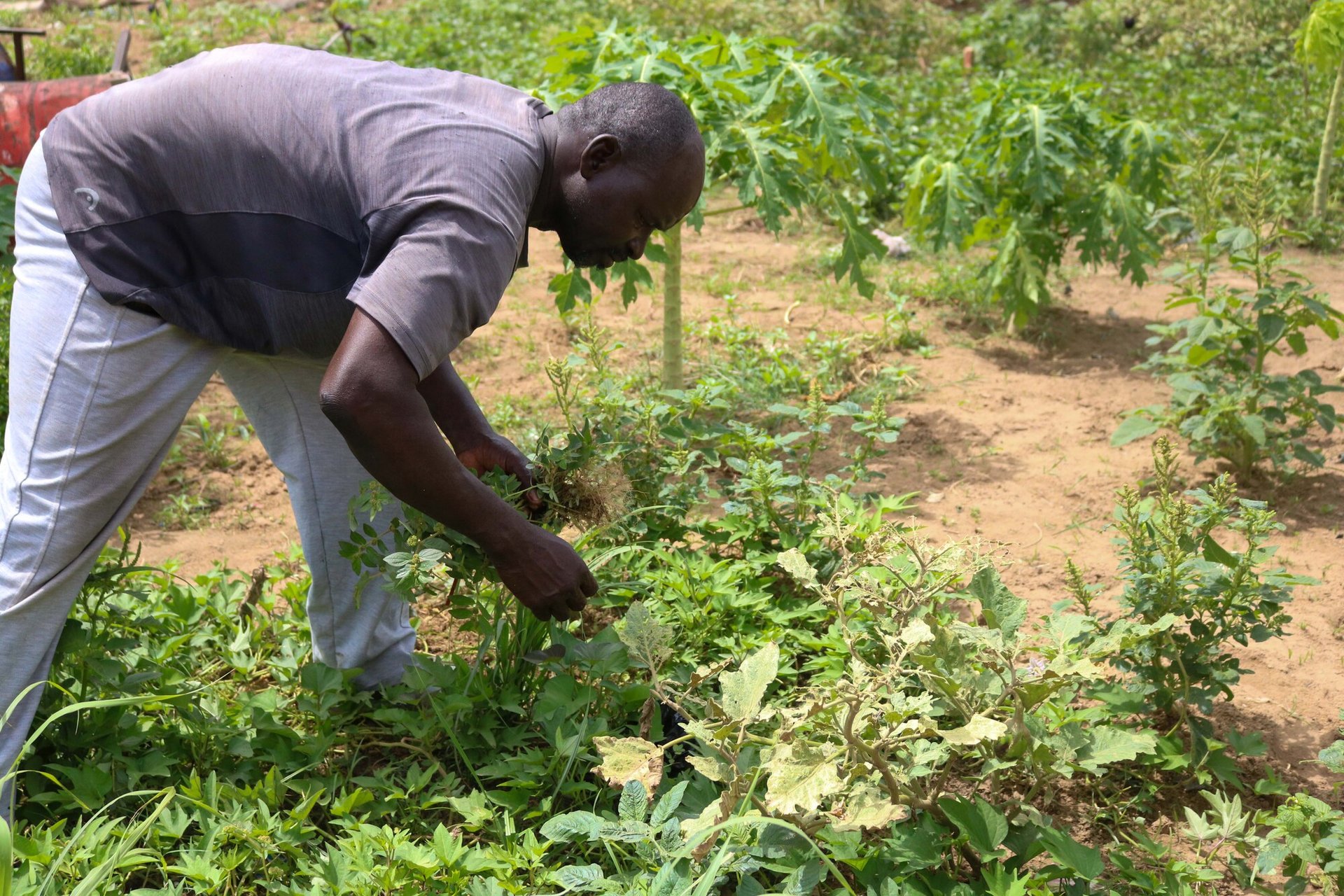
But beyond the immediate aid, another form of support has opened up new prospects for Abdramane: the chance to reconnect with his farming skills. Thanks to the seeds and tools he received, Abdramane has been able to take up gardening. He has also taken part in a training course on soilless cultivation and techniques for producing organic fertiliser. He is now putting these skills into practice to grow his own vegetables and help feed his family.
“The support I’ve received has been incredibly important for my family. I’m now gardening, which helps us a great deal. I produce my own organic fertiliser, which I use in my garden. We have also been provided with shelter and have access to drinking water for our daily needs. Thanks to this support, I have regained my dignity and feel better able to provide for my family’s basic needs,” says Abdramane.
His story illustrates the importance of a humanitarian response that combines meeting immediate needs with building the capacity of those affected by crises. Shelter, water, food, seeds and tools can, together, help to restore the conditions needed to get people back on their feet.
In Sofara, this multi-sectoral assistance was implemented with financial support from the Regional Humanitarian Fund for West and Central Africa (FHRAOC).
Behind every instance of displacement lies a life turned upside down. And behind every tailored intervention lies the possibility of regaining one’s dignity, resuming a livelihood and looking to the future once more.
