
The most destructive earthquakes to hit Venezuela in more than 120 years have created a humanitarian catastrophe on top of an existing crisis. Families, communities and responders are working against the clock to meet the most urgent needs.
Almost two weeks into the emergency, here are five things you should know about Venezuela.
1. This is a disaster without precedent in modern Venezuela
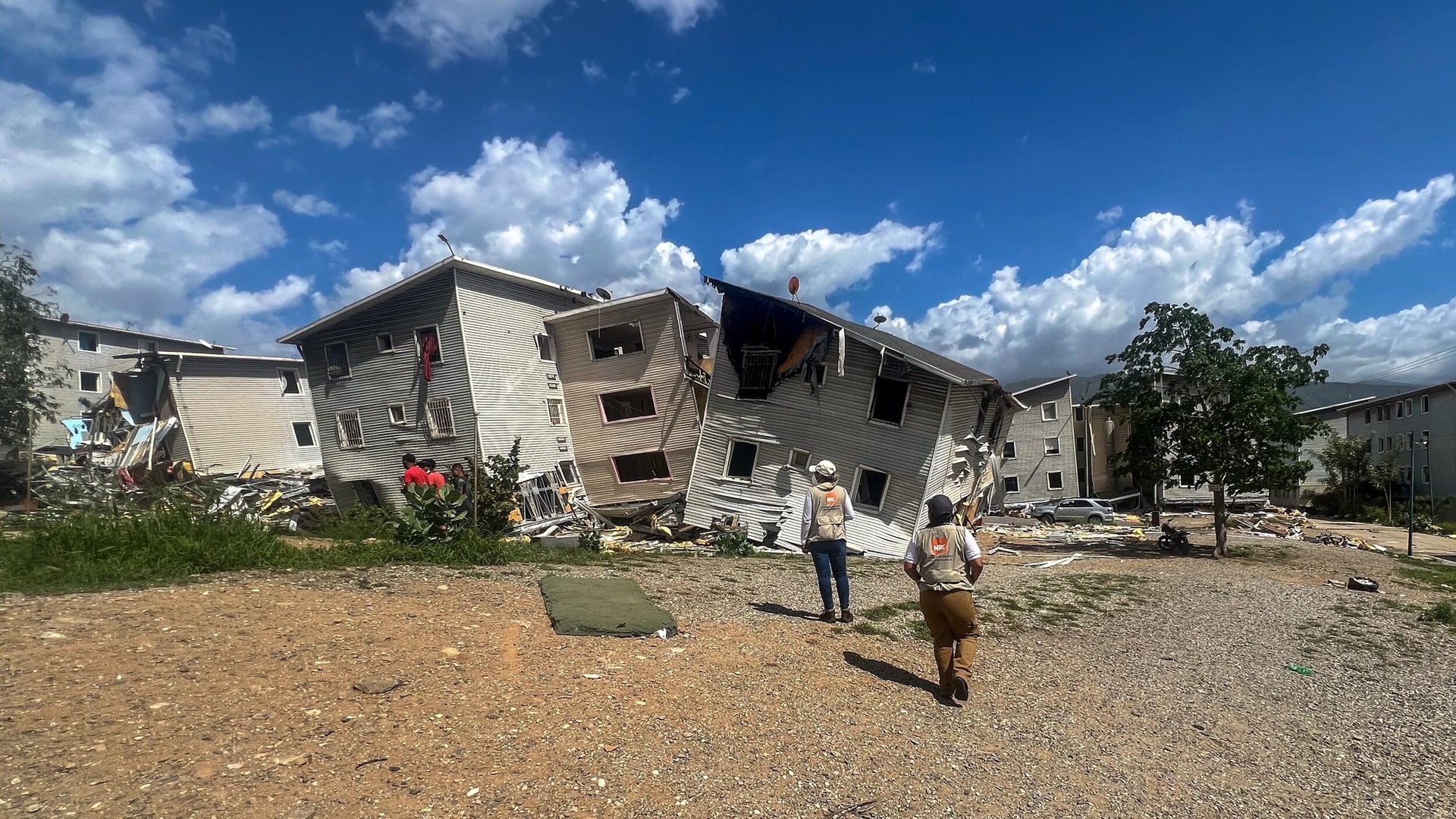
On 24 June, two powerful earthquakes measuring 7.2 and 7.5 struck northern Venezuela just 39 seconds apart. More than 900 aftershocks have followed.
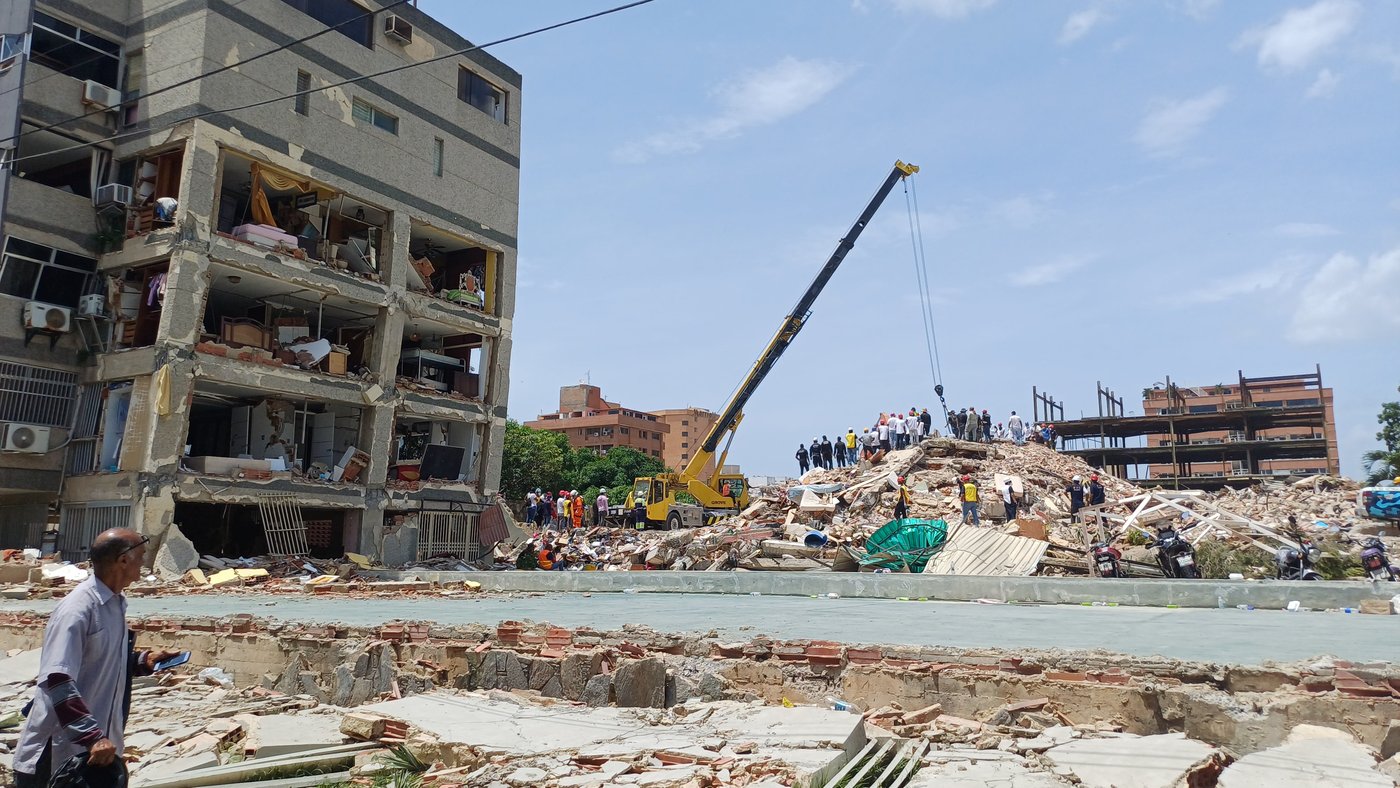
The disaster has already claimed 3,300 lives and injured more than 16,700 people. Over 17,300 people have lost their homes and more than 26,000 have been directly affected. Hundreds of residential buildings, schools and hospitals have been damaged.
The earthquakes have created urgent humanitarian needs, particularly in the capital Caracas and in La Guaira state.
2. Thousands of families have been displaced
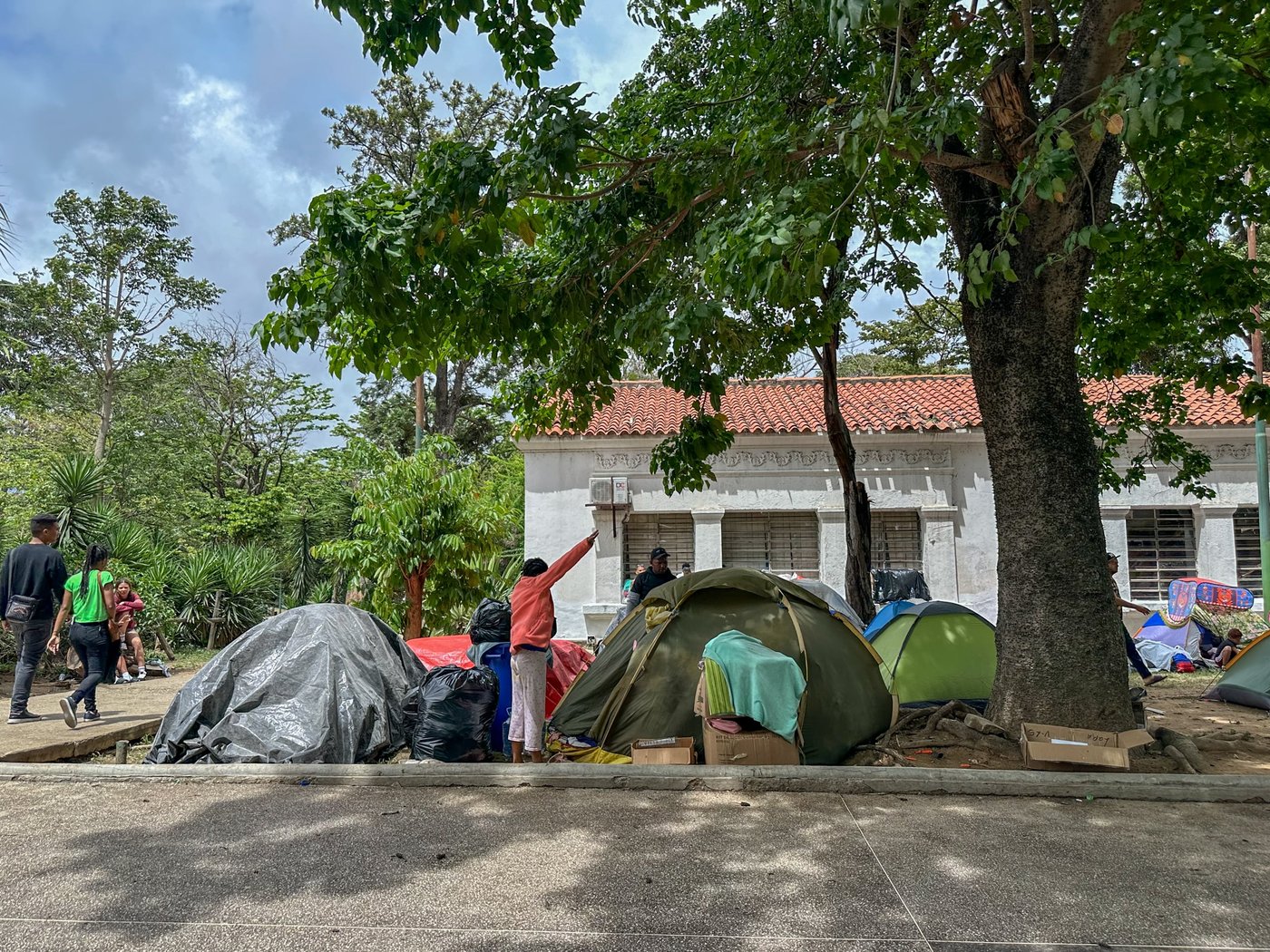
Across the affected areas, thousands of people are sheltering in schools, sports facilities, parks and other temporary sites after losing their homes or being unable to return because of structural damage.
Many families are living in overcrowded conditions with limited privacy and uncertain prospects for the future. Temporary shelters provide immediate safety, but they are not a long-term solution. Families need safer and more suitable housing solutions to prevent further hardship.
3. The earthquakes struck a country already facing humanitarian needs
The disaster has added a new layer of needs. Even before the earthquakes, 7.9 million people – a quarter of Venezuela's population – required humanitarian assistance. Many families faced difficulties accessing healthcare, education, clean water and other basic services.
Years of underfunding from the international community have weakened the humanitarian response. In 2025, only one-fifth of the Humanitarian Response Plan was funded, while the 2026 plan was less than 30 per cent funded before the earthquakes struck.
4. Urgent humanitarian support is needed now
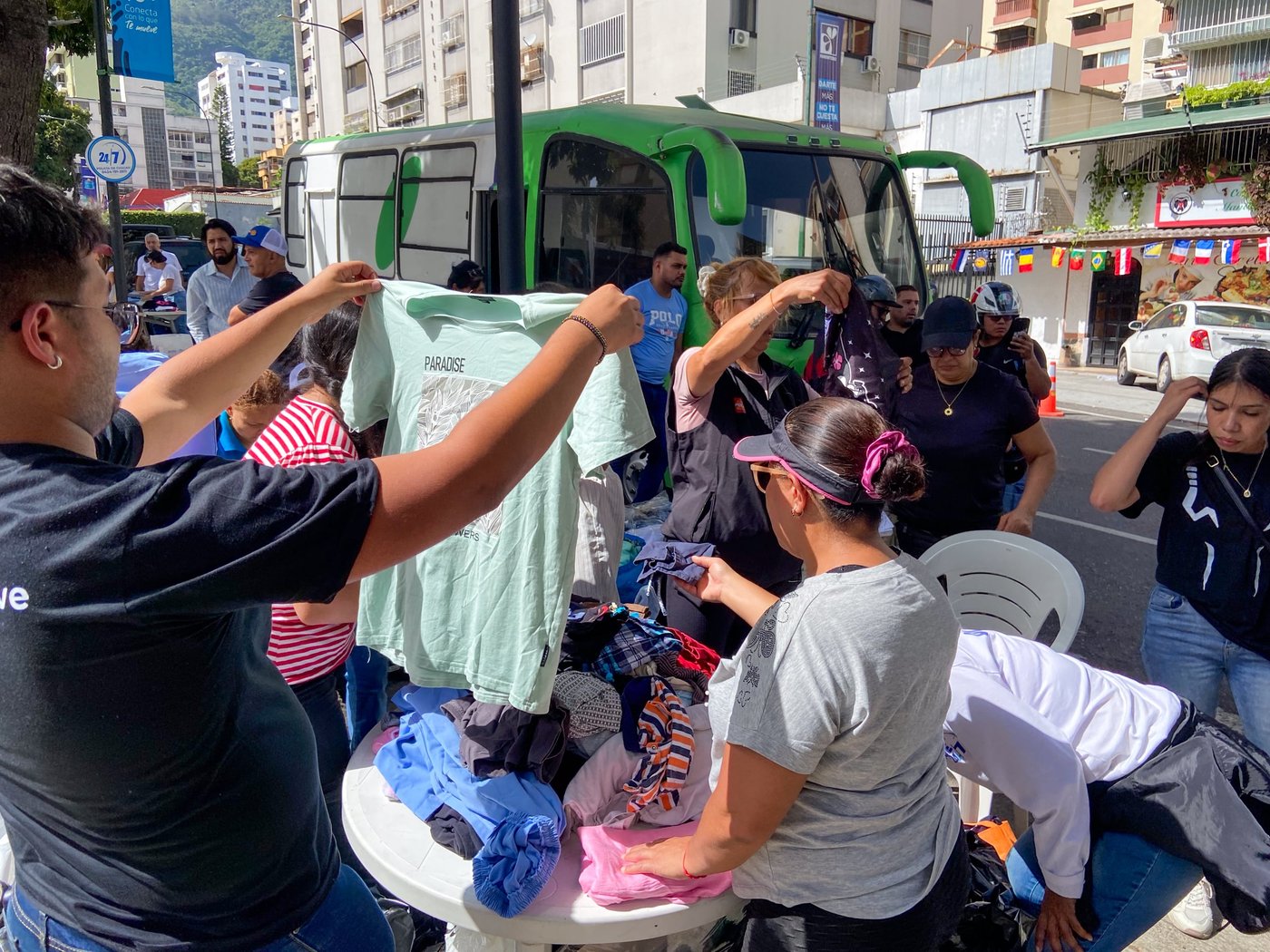
The immediate priorities are clear: safe shelter, healthcare, clean water, sanitation, hygiene supplies, food and essential household items.
Children are among the most affected. Many schools have been damaged or converted into shelters, disrupting education and increasing psychosocial distress. Alongside emergency relief, children will need safe spaces, learning opportunities and emotional support to begin recovering.
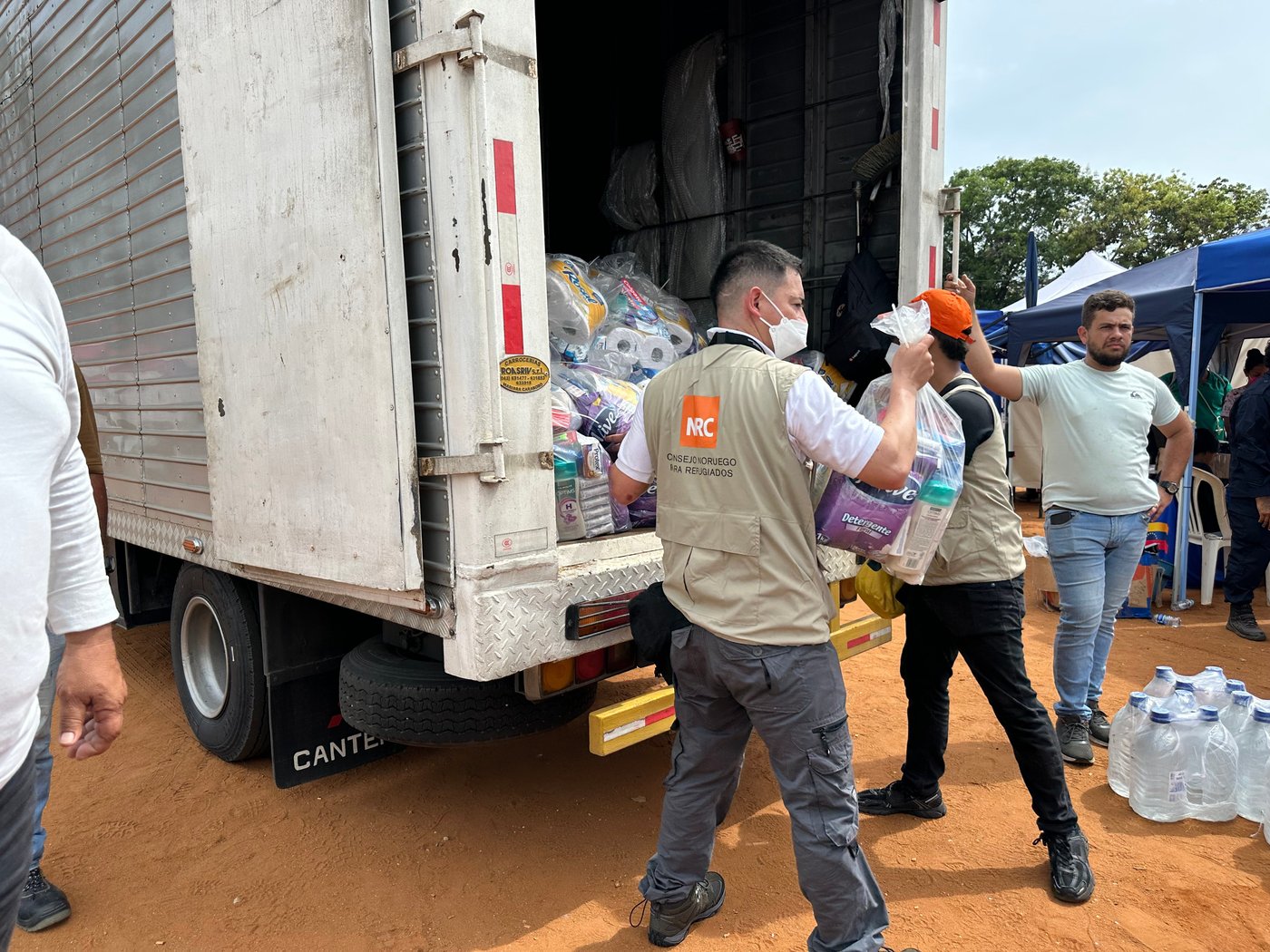
NRC is responding with hygiene assistance, psychosocial support, legal aid and other emergency services. We will do so, as always, in coordination with the authorities, complementing their efforts and being guided by the principles of neutrality and impartiality.
5. Recovery will require long-term commitment
The solidarity shown by Venezuelans in the aftermath of the earthquakes has been extraordinary. Communities have come together to support one another during a time of immense loss.
But recovery will not happen overnight. Rebuilding homes, livelihoods, schools and basic infrastructure will take years. This will require urgent, multi-year funding that is additional to the resources already needed before the disaster. It will also require coordinated efforts by communities, authorities, local and international organisations, UN agencies and donors.
The focus must remain on those who have suffered the most before and after the ground shook.
