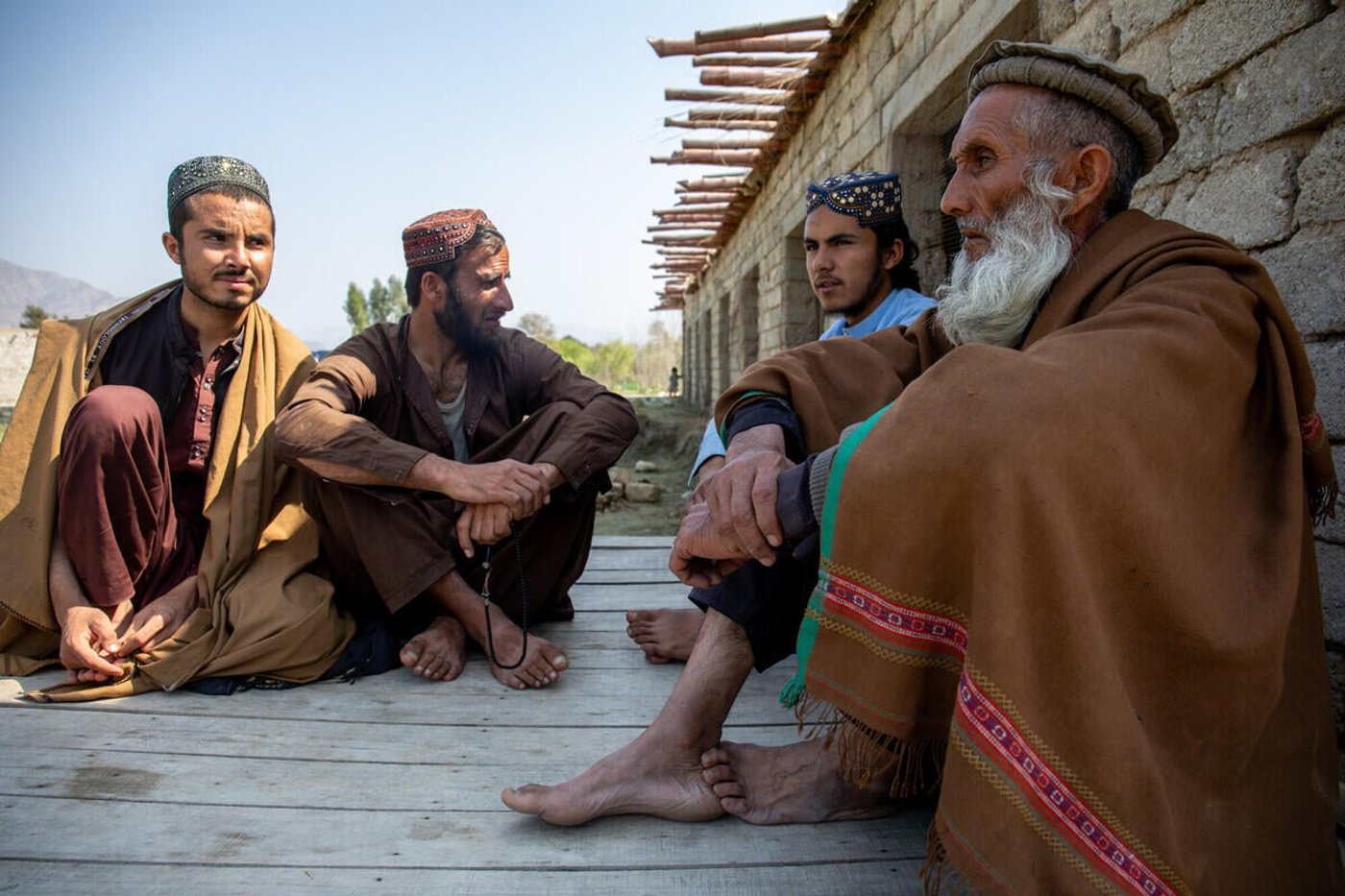


On the night of 26 February, Bakhtiar’s life changed suddenly when cross-border attacks began near Torkham and on the Omari camp, a transit camp for those returning to Afghanistan from Pakistan.
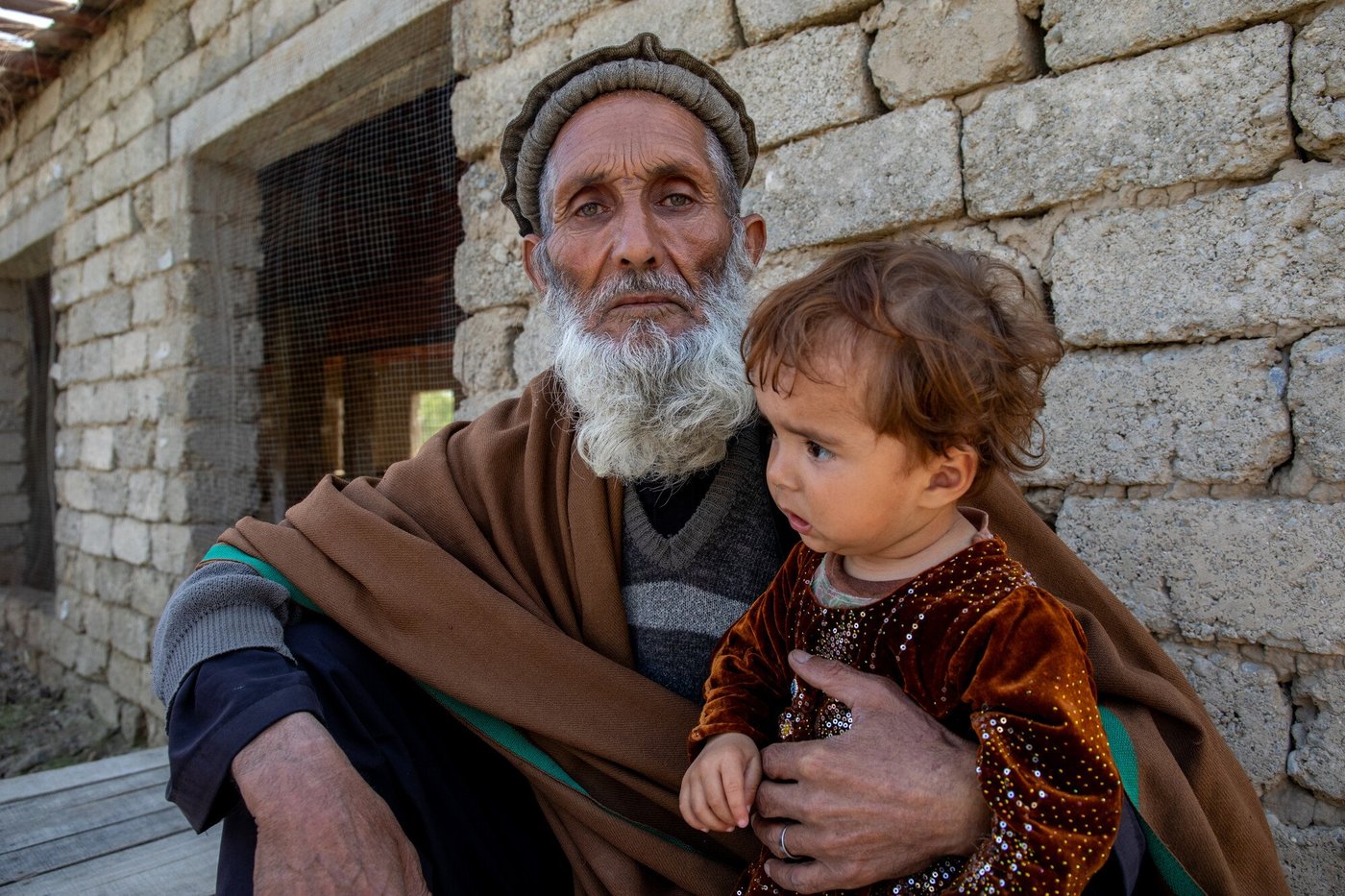
Afghanistan/Pakistan war: Living in a poultry house
Bakhtiar, 65, is the father of six children, four daughters and two sons. His family lived in Torkham, near the border with Pakistan.
“It was around 10 when we suddenly heard rockets and gunfire,” Bakhtiar recalls. “Within minutes the attacks became very intense. We had no choice but to run.”
Like thousands of other families, he gathered his children and fled into the darkness.
Leaving everything behind, the family walked for nearly 30 minutes until they reached the main road. From there they found a truck that took them to Mohmandara district of Nangarhar province, about 35 kilometres from their home and the fighting.
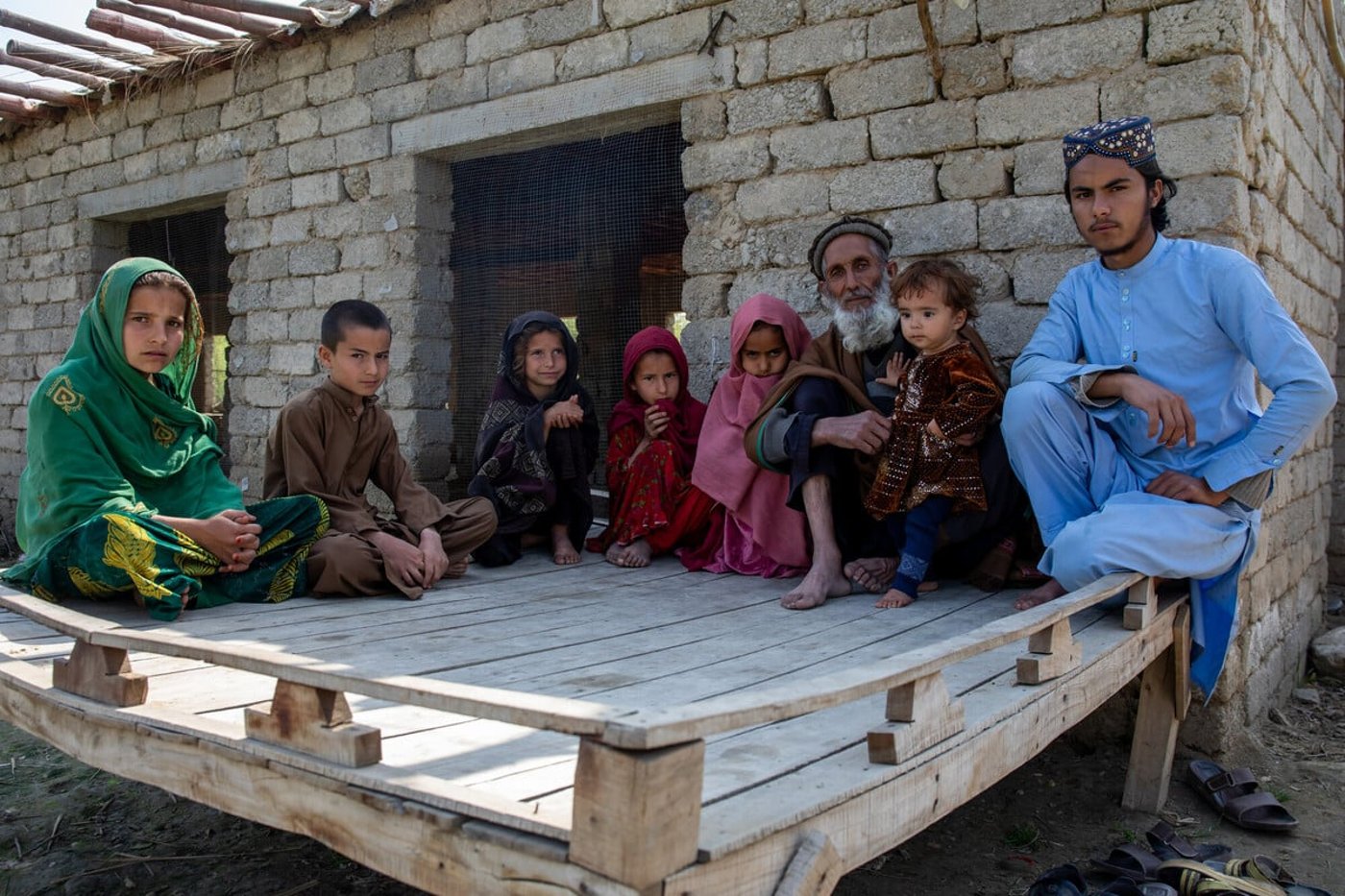
No doors or windows
For the past ten days, Bakhtiar and his family have been living in a poultry house, owned by a resident of Mohmandara.
“When we arrived, the poultry house was extremely dirty,” Bakhtiar says. “We cleaned all night and the children slept outside under the open sky.”
More than 500 other displaced families have also arrived in this area. Many are staying in places not meant for human habitation.
Because the family fled in panic, they were unable to bring anything from their home.
“We left everything behind,” Bakhtiar says. “Our belongings, our clothes, everything. We don’t even know what has happened to our house.”
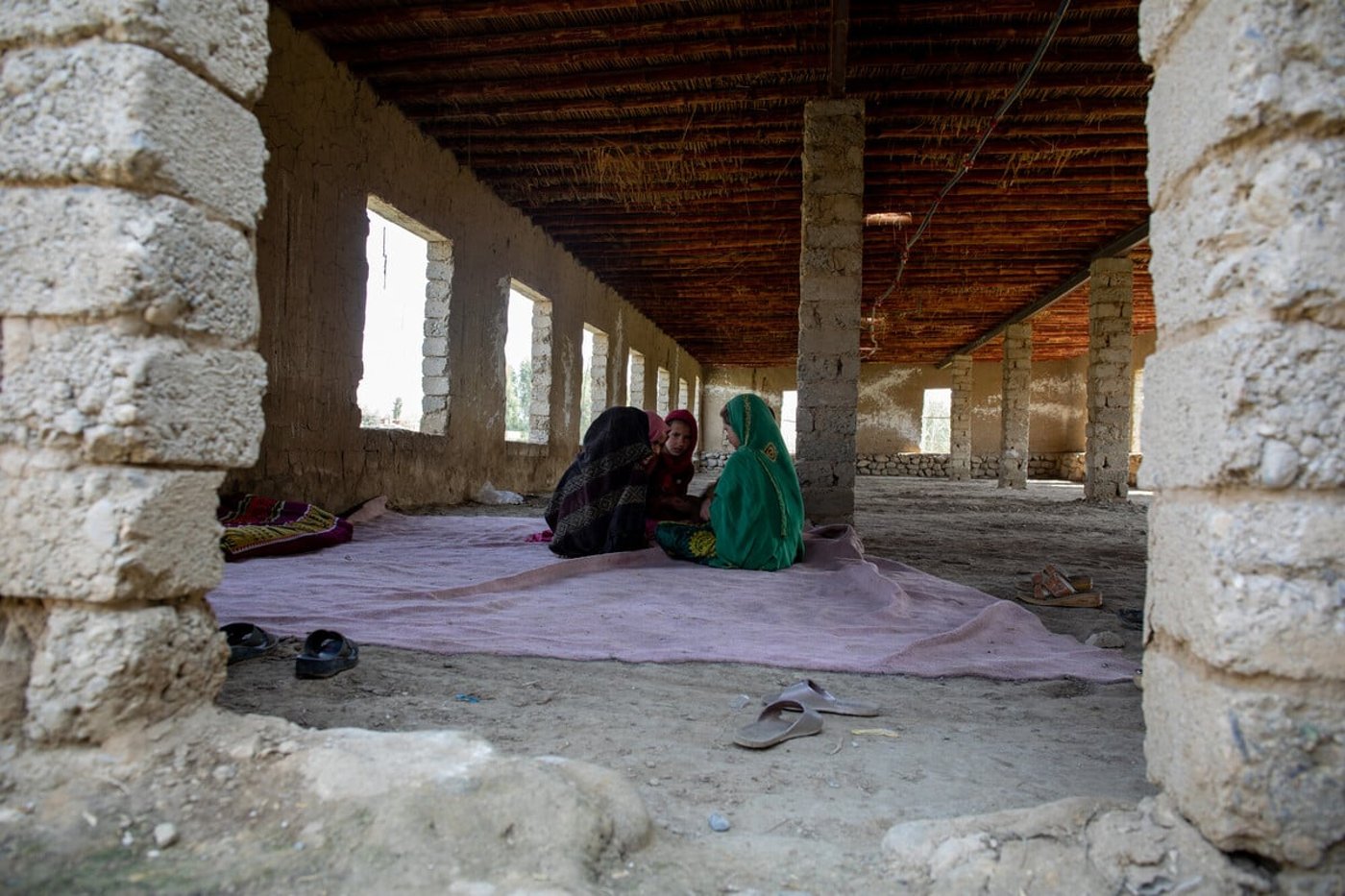
Inside the poultry house there are no proper doors or windows. At night the cold air enters freely. The family sleeps on the bare ground, without enough carpets and blankets. The lack of warm bedding has already made two of Bakhtiar’s children sick.
Welcomed with kindness
Local residents in Mohmandara welcomed the displaced families with compassion.
“People from the village brought us blankets,” Bakhtiar says. “For ten days they have been bringing us food. We are very grateful for their kindness.”
But the future remains uncertain. The owner of the poultry house plans to bring chickens back within a month, meaning Bakhtiar’s family will soon have to leave.
“If the fighting stopped today and I knew our lives were safe, I would return home immediately,” he says. “Life here is very hard.”
Bakhtiar’s 18-year-old son, Yar Alam, also lost his livelihood when the family fled. Before the violence, he worked daily in Torkham transporting goods for travelers crossing the border with a small handcart. He used to earn about 300 Afghanis (around USD 4.5) a day. “That money helped support our family. But for the last ten days I have had no work,” he says.
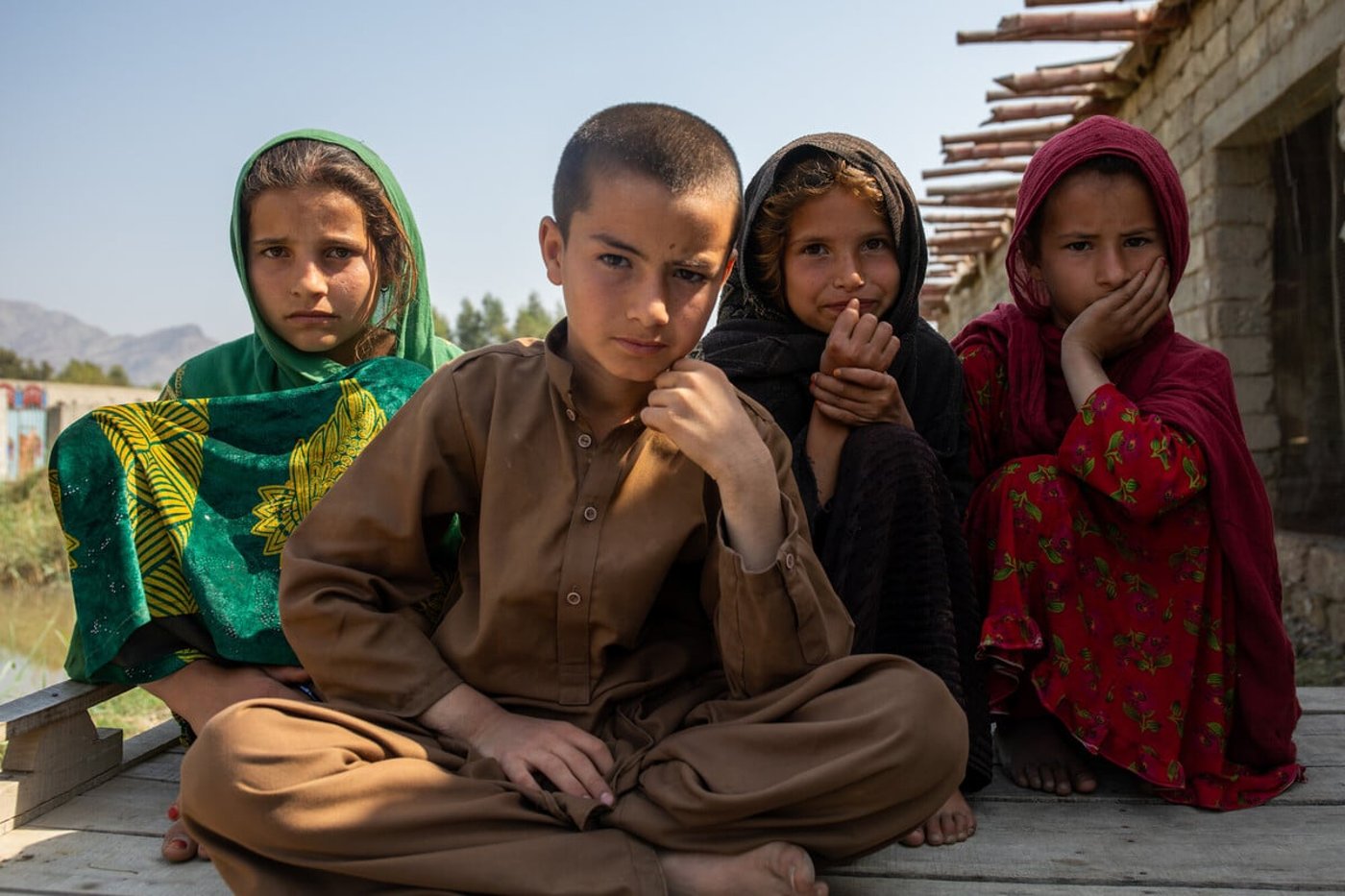
Shabeda, Bakhtiar’s seven-year-old daughter, is in the first grade at school. For the past ten days, she has been unable to attend classes after her family fled the violence.
“I miss my school and my classmates,” she says, hoping to return soon. She dreams of becoming a doctor one day so she can help and serve her people.
Support in an emergency
On 7 March, the Norwegian Refugee Council (NRC) provided cash assistance to 620 displaced families across Nangarhar province, including Bakhtiar’s family. The support will help families prioritise their most urgent needs - whether food, shelter, healthcare, or other essentials - during a time of uncertainty and hardship.
But Bakhtiar worries about the weeks ahead.
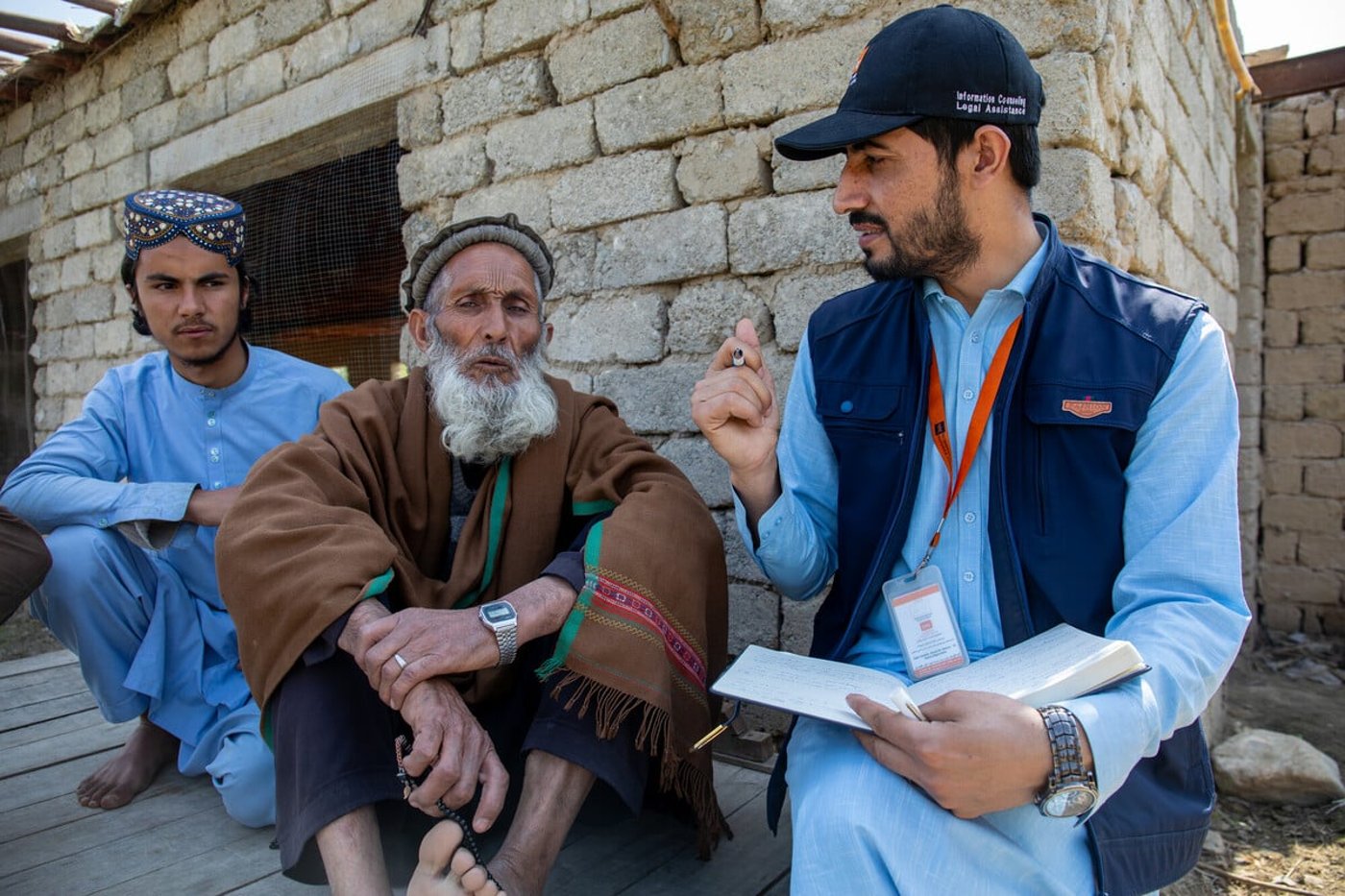
“The assistance will help us for some time,” he says. “But if this conflict continues, it will not be enough. We have lost everything.”
Looking at his children sitting on the floor of a poultry house, Bakhtiar makes a simple appeal:
“We ask the international community not to forget us. We are living in very difficult conditions and have nothing left.”
As displacement grows and needs rise, the international community must not look away from communities already facing immense challenges. Continued support is critical.
Support our work in Afghanistan and in other humanitarian emergencies around the world