


Afghanistan is at war with Pakistan. Civilians are being killed and families are being forced to flee their homes.
Afghanistan faces another war – what’s happening?
On 26 February 2026, strikes began in Kunar and Nangarhar provinces in Afghanistan. In just over two weeks, 76 Afghan civilians had been killed and a further 213 had been injured.
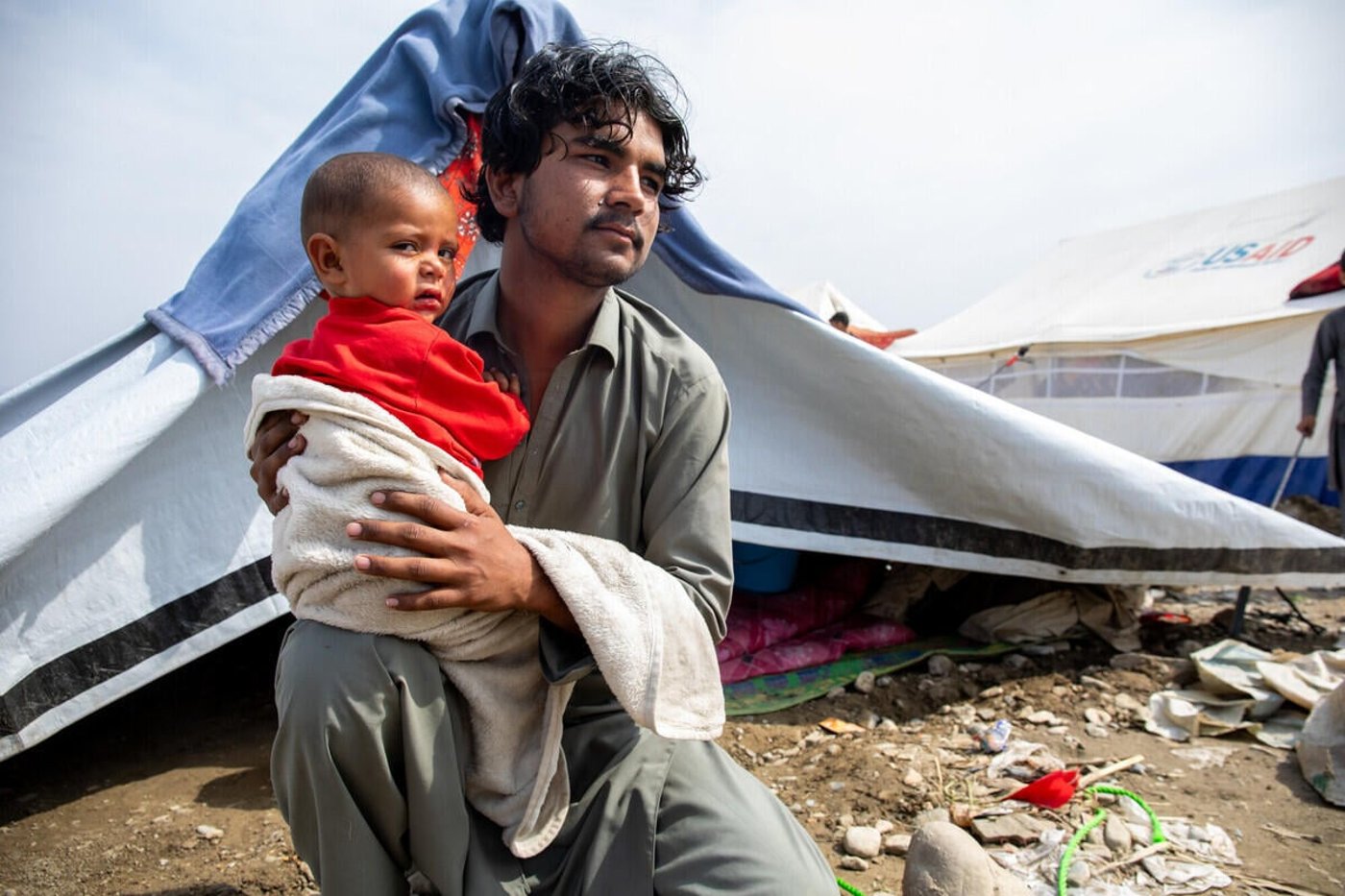
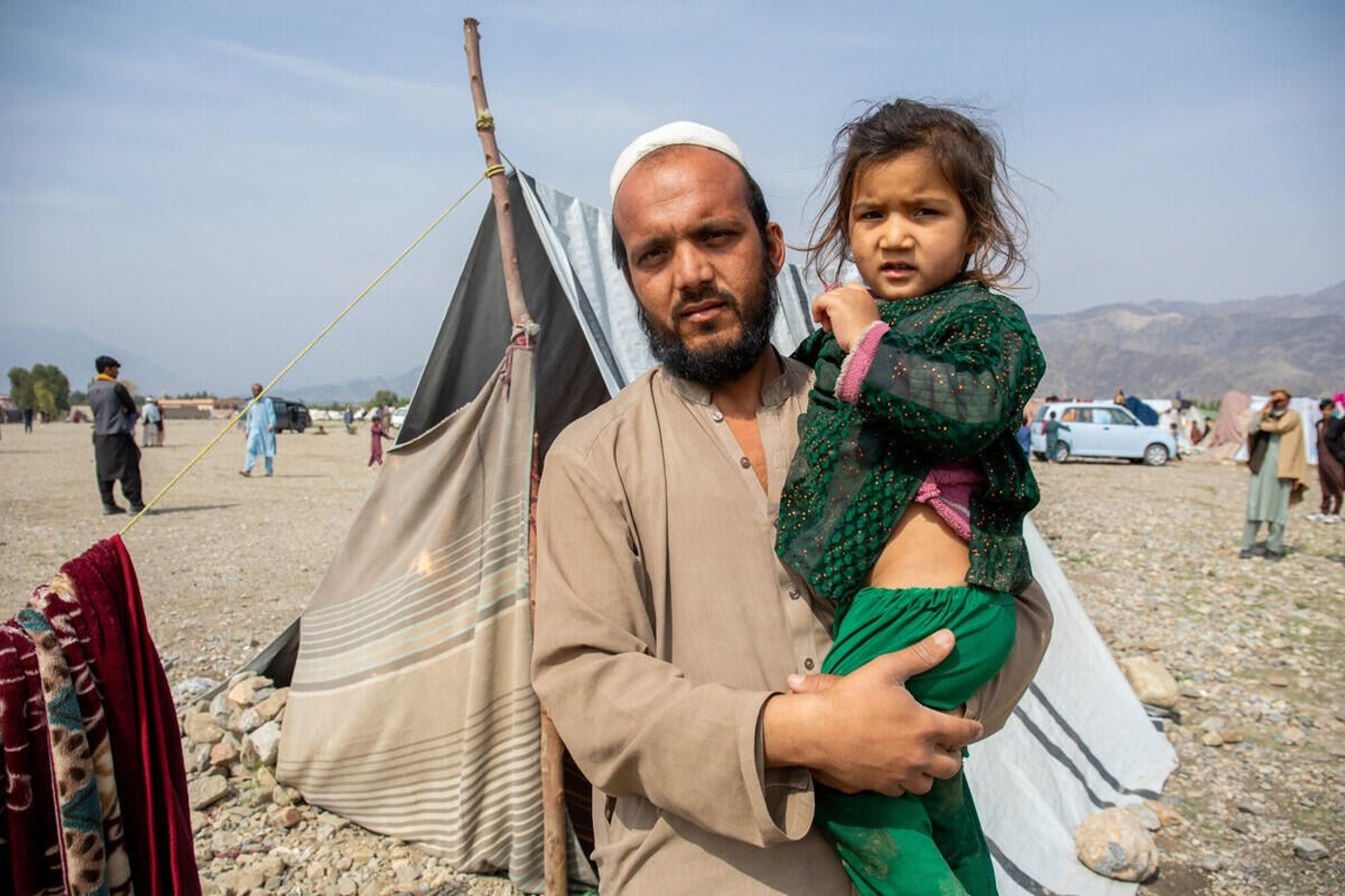
More than 115,000 people have left their homes, not knowing when it will be safe to return.
“Families who were already on the brink of survival have been forced from their homes,” says Jacopo Caridi, who is the director of the Norwegian Refugee Council (NRC) in Afghanistan.
“Thousands have found refuge in makeshift camps and with local families. Others are being forced to rent sub-standard accommodation they can little afford. They have lost access to clean water, health services and schooling.”
Why is there a war between Afghanistan and Pakistan?
In the shadow of the war in Iran, conflict has erupted between two neighbours.
Pakistan is accusing Afghanistan of “harbouring militants who attacked its territory”, according to the BBC. This is something Afghanistan has denied.
The hostilities seem to be becoming more intense and are spreading across the country. According to UN OCHA, ten provinces in Afghanistan have now been affected by airstrikes, artillery, mortar or drone attacks. Meanwhile, Afghan forces have launched ground assaults and drone strikes inside Pakistan.
The UN is calling for an immediate de-escalation and ceasefire.
An attack in Kabul
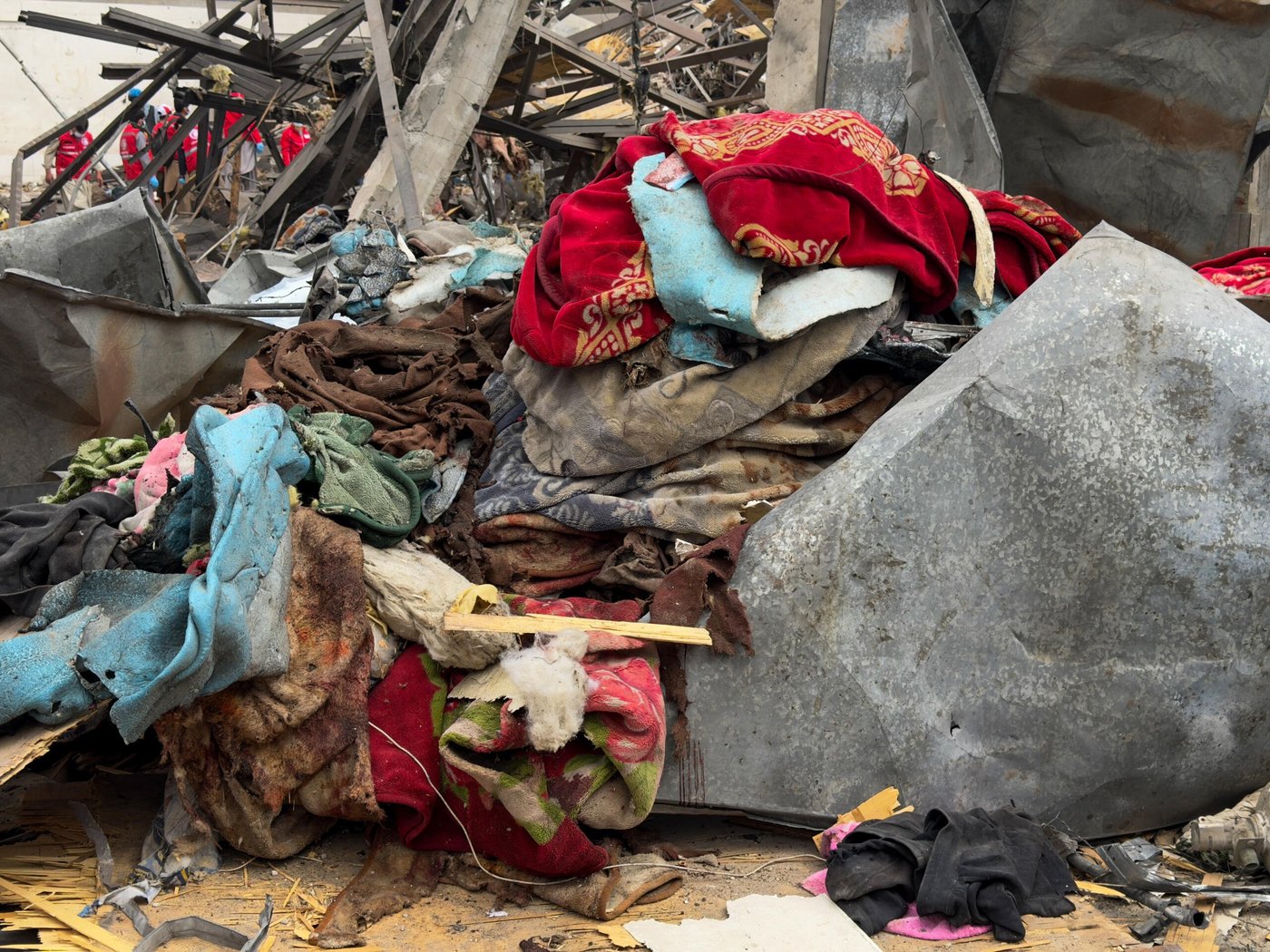
On the night of 16 March 2026, a strike on a drug rehabilitation hospital in Afghanistan’s capital, Kabul, killing hundreds.
The increase in attacks on urban areas hints at an escalation in the conflict. At least 800 homes have been damaged or destroyed in Afghanistan so far. It will take families years to recover from the loss.
“It is vital that parties to the conflict respect international humanitarian law. Civilians and civilian infrastructure must never be a target,” says Caridi.
Homes lost
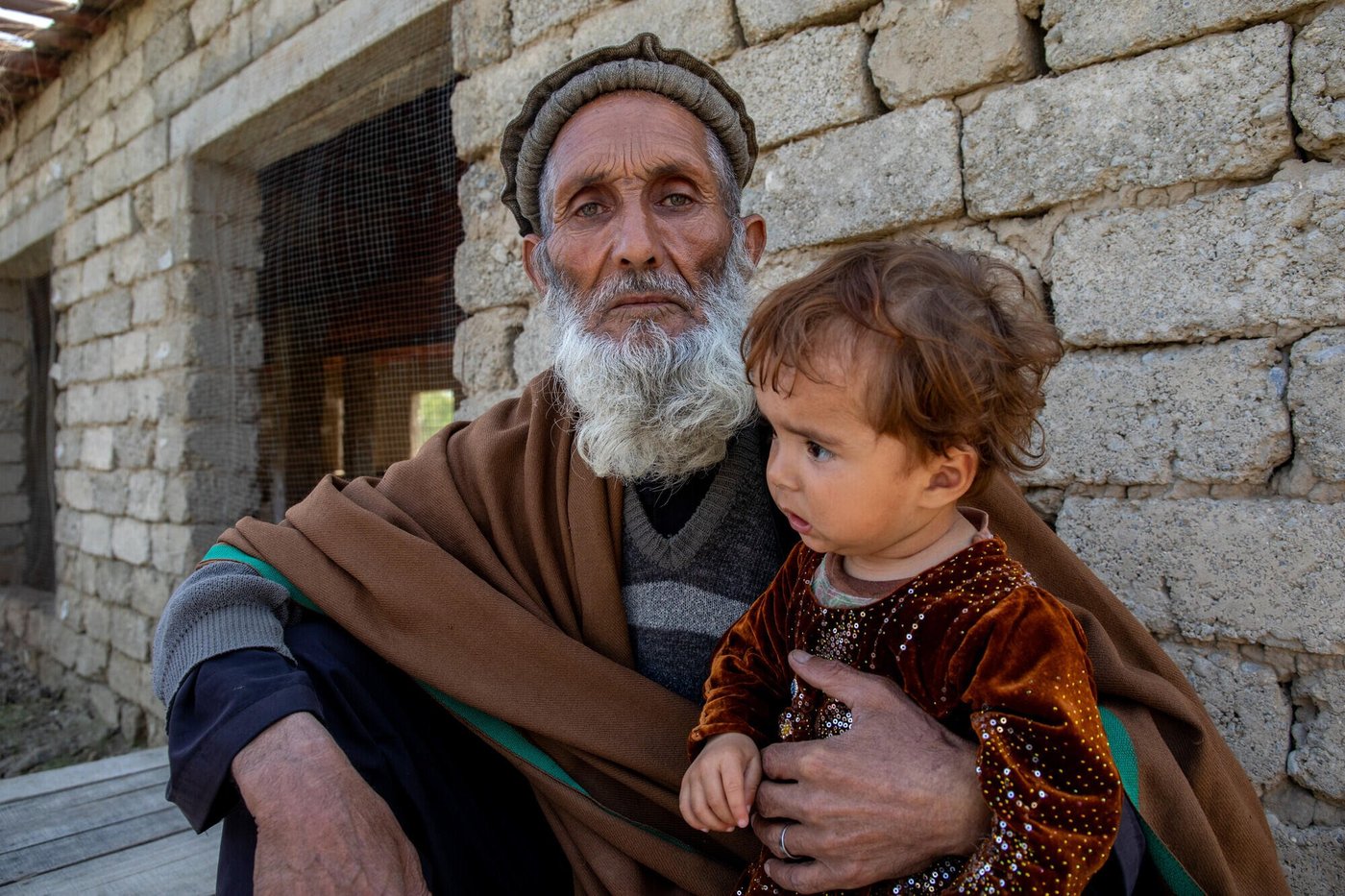
Bakhtiar, 65, was forced to flee his home in Torkham, close to the Pakistan border, with his six children.
“It was around 10 at night when we suddenly heard rockets and gunfire,” he recalls. “Within minutes the attacks became very intense. We had no choice but to run.”
His family is now living in an empty poultry house that a farmer has provided for free, albeit for a limited time. If it doesn’t become safe at home, Bakhtiar does not know where to go next.
“We left everything behind,” he says. “Our belongings, our clothes, everything. We don’t even know what has happened to our house.”
Afghanistan has been hit hard by cuts to aid funding and is currently one of the lowest funded humanitarian responses globally. Now, conflict is preventing people from accessing even the limited support that’s available.
“With a world in turmoil, Afghans must not be forgotten,” says Caridi. “Rising food prices and closed borders are making survival even harder for families whose lives have already been shattered by conflict.”
***
Across multiple regions in Afghanistan, NRC is delivering emergency aid and helping families rebuild. We will continue to support Afghans in need during this escalation of violence.
