
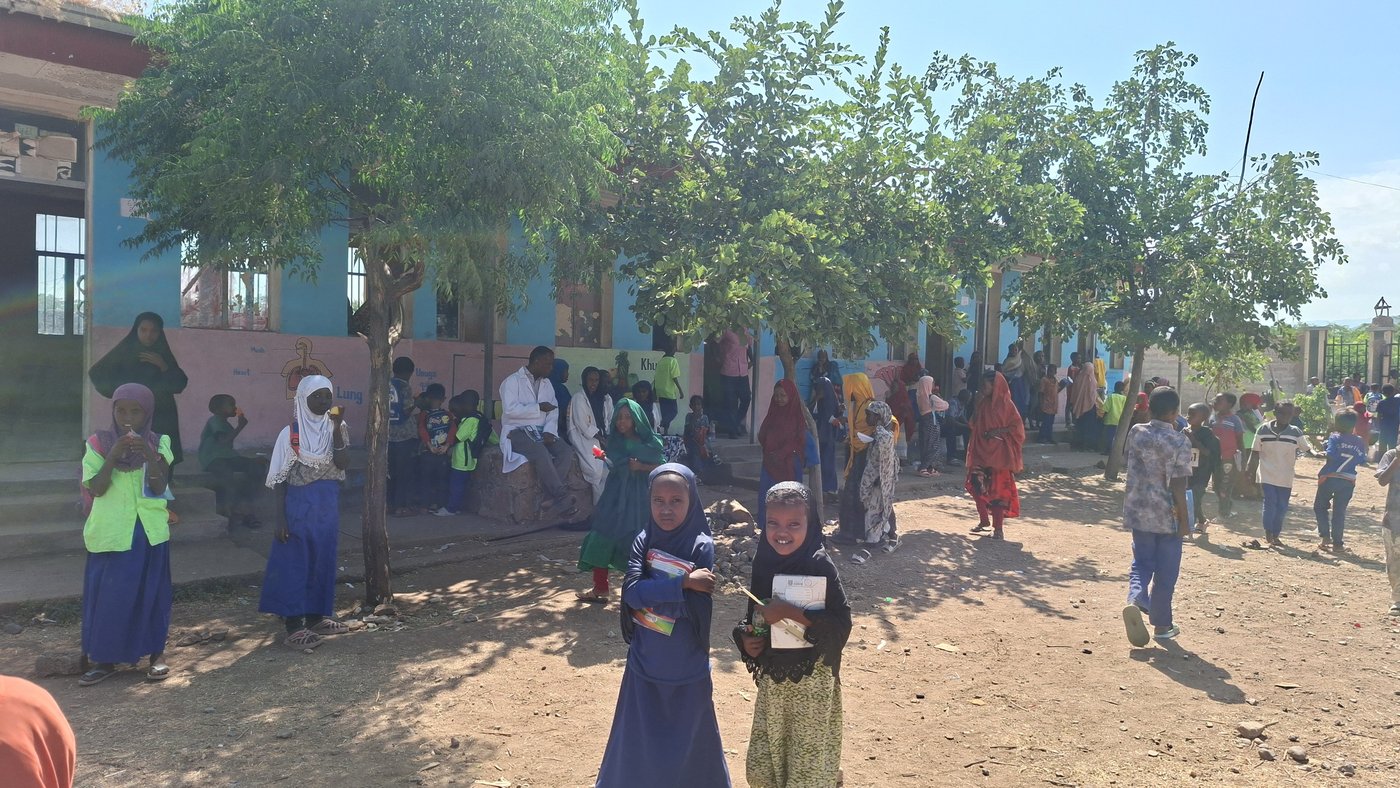
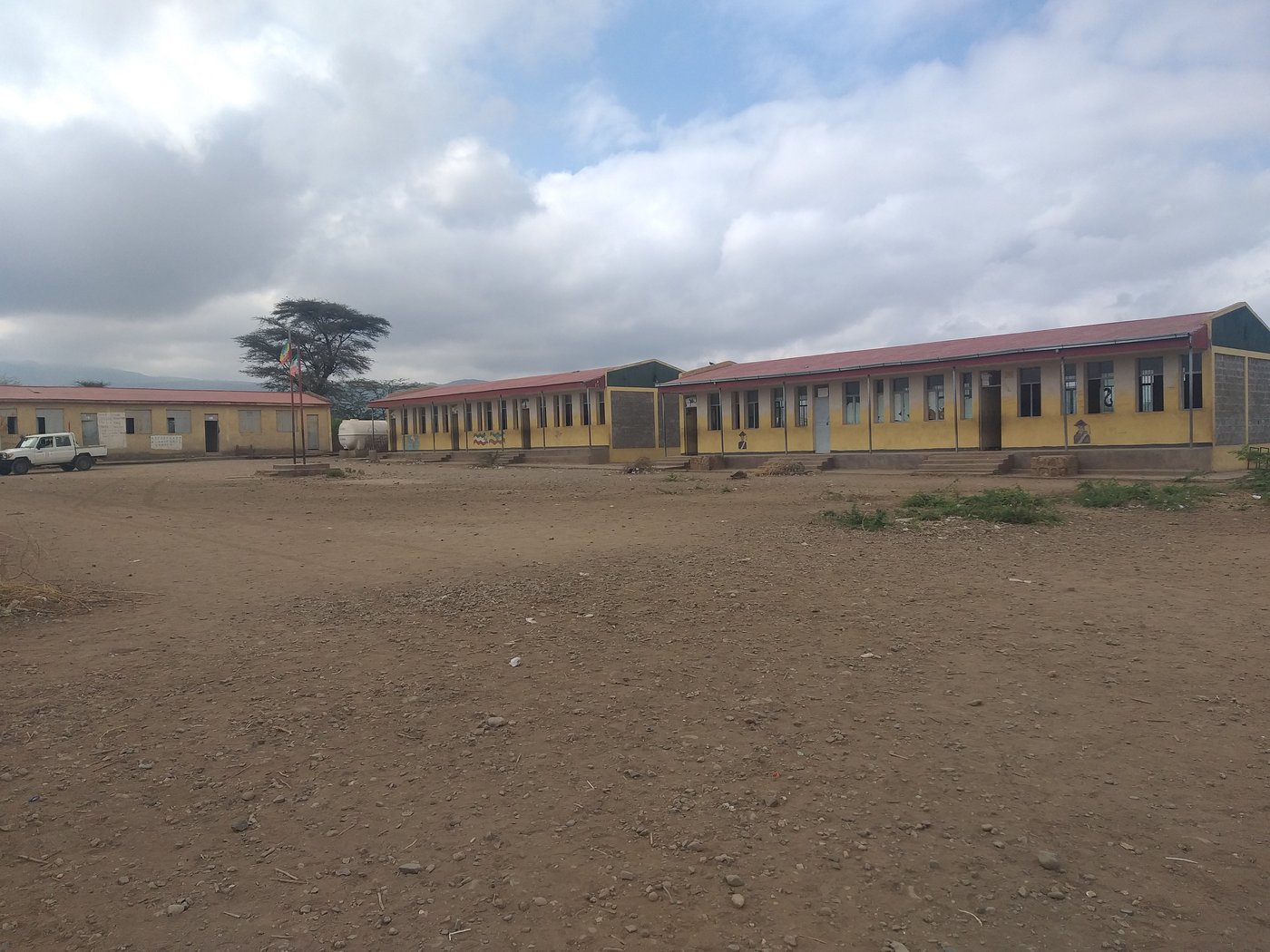
In Ethiopia’s Erer Woreda, schools should be a refuge for children fleeing conflict and drought. But for years, the classrooms at Erer and Megalo’ad Primary schools were crumbling. Today, they are refurbished and children can learn.
A real school at last
“There wasn’t a real school here before,” says Abdulkerim Duale, principal of Erer Primary. “It was not a place where children could thrive.”
For families displaced by climate shocks and violence, education is one of the main paths to stability. Yet, in Erer Woreda, that path was blocked by dilapidated buildings with no doors, no blackboards, and floors that turned to mud every rainy season.
Fixing what matters most
While government grants had dried up a year ago, the Norwegian Refugee Council (NRC), supported by EU Humanitarian Aid, stepped in with a targeted approach. We didn't just provide funds, we also worked with the community to tear down the barriers keeping children out of class.
Dignity for girls, tools for teachers
At Erer Primary, we started with the basics: 10 new doors and 63 windows. For the first time, the school is secure. We installed electricity and a desktop computer, meaning teachers no longer travel miles just to print an exam.
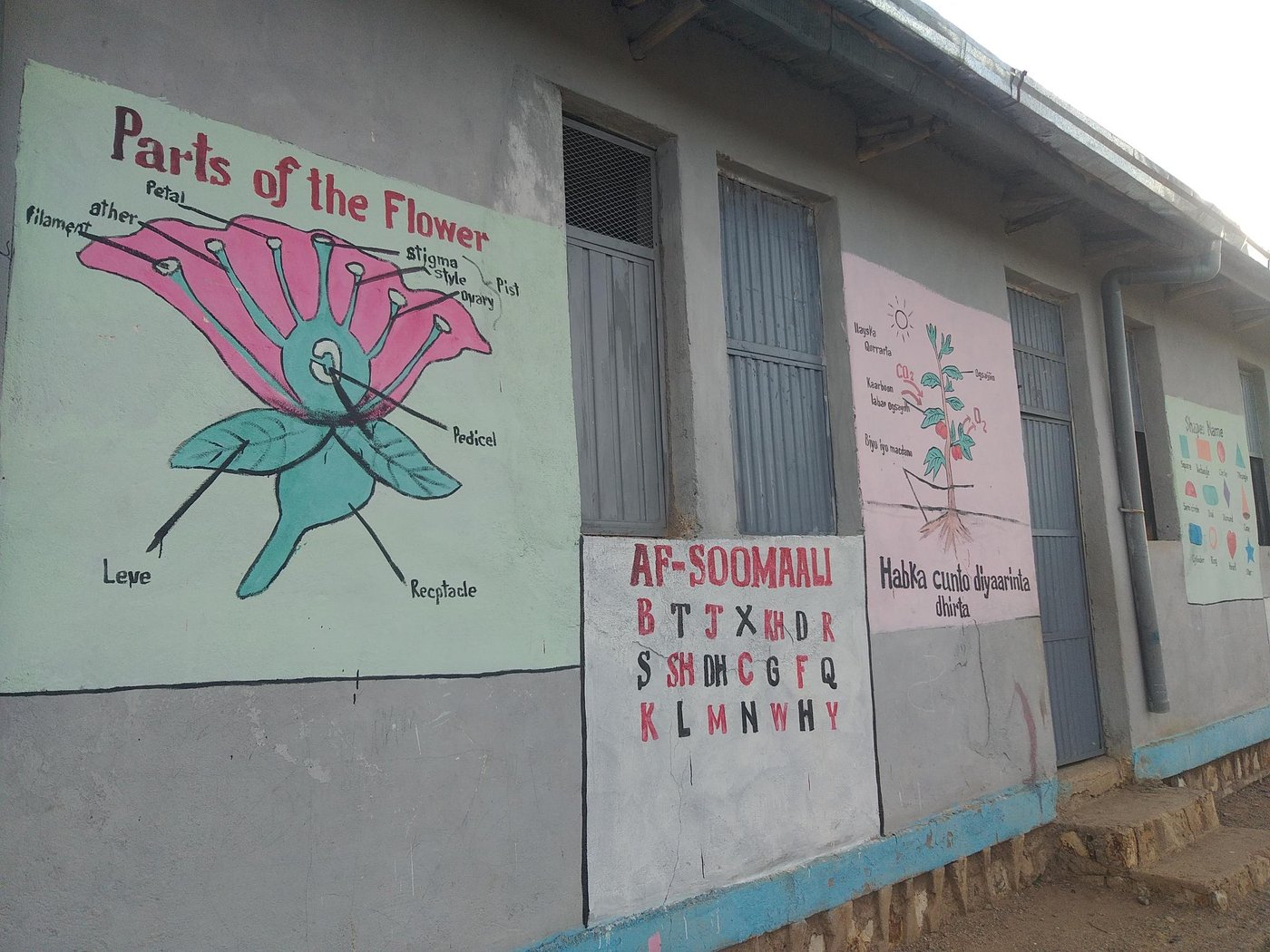
At Megalo’ad Primary, the transformation is deeply personal. New menstrual hygiene rooms mean girls no longer stay home for a week every month. For teachers, new gowns and a furnished staffroom have boosted morale. Once-barren walls are now covered in educational murals, and new trees provide shade in the compound.
"The school is now even better than any school in Jijiga town," noted the Woreda Chairman during a recent visit.
The impact in numbers
The transformation has triggered a massive return to the classroom. In just one year, the community has voted with its feet:
-
37 per cent increase in enrolment at Erer Primary (from 1,503 to 2,059 students).
-
36 per cent increase in enrolment at Megalo’ad Primary.
-
Closing the gap: Girls now make up nearly half of the student body.
More than just a school
The ripple effect has reached the entire village. In Erer, parents are now actively helping with homework. In Megalo’ad, the arrival of electricity has allowed the school to open its doors at night for adult education classes.
The school has become a community resource.
While challenges like staff turnover remain, Erer Woreda proves that when you give a community the right resources, they don’t just repair walls, they rebuild a future.
Ethiopia is one of the world’s most neglected displacement crises. It may not make the headlines, but the needs are urgent. Share this story and help shine a light on the world's neglected displacement crises. Your voice matters when others remain silent.
