

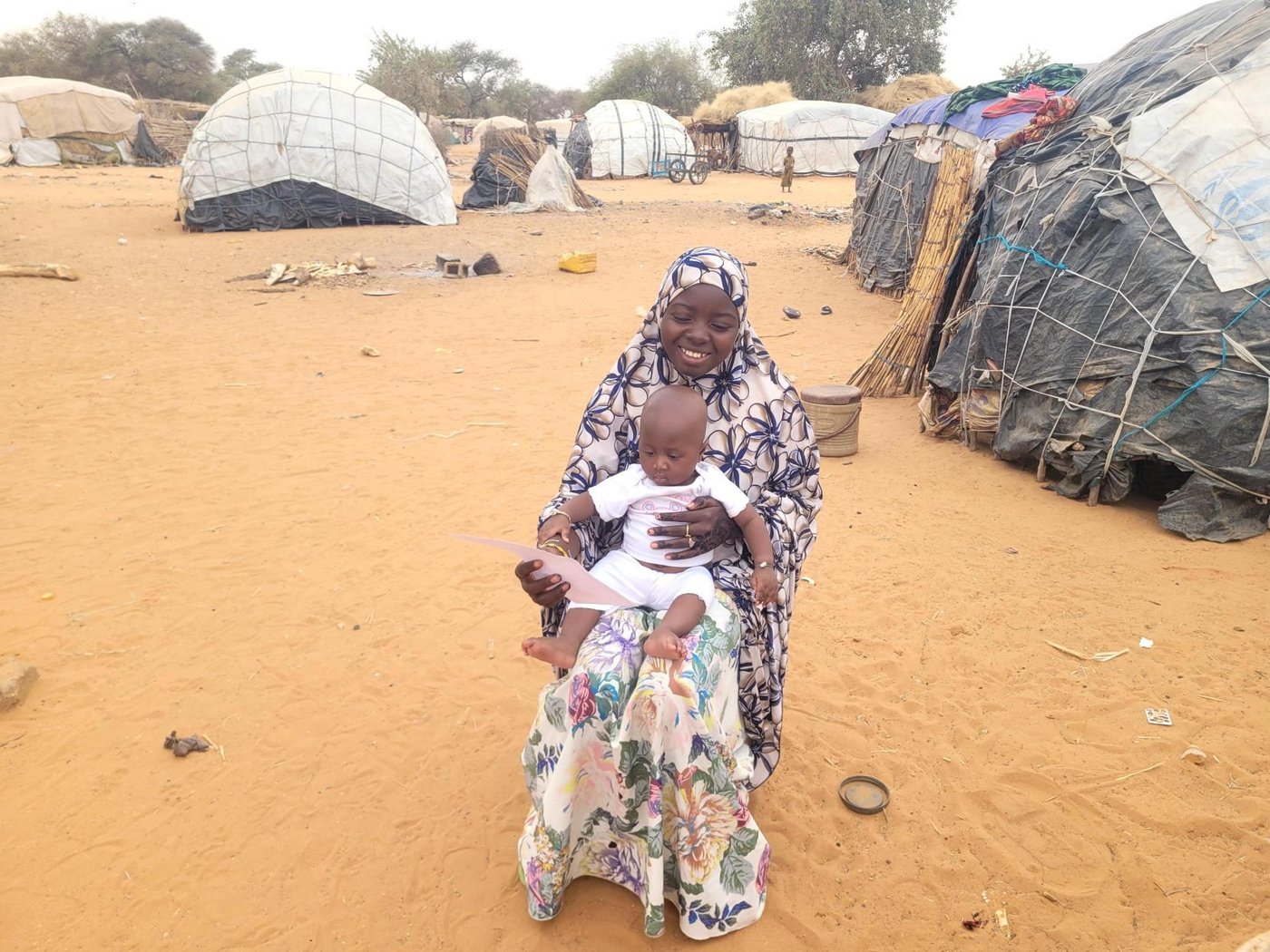
Amadou was just a few days old when he arrived in Téra. Carried by his mother as she fled violence in her home village, he was full of life. Yet legally, he didn’t exist.
In the Tillabéri region of south-west Niger, thousands of displaced children grow up without birth certificates. A lack of information, coupled with the closure of some registration centres, and the remoteness of civil registry offices, mean that many parents are unable to register new births after fleeing their homes.
Without a birth certificate, children are at risk of statelessness. This means they are not recognised as a citizen of any particular country. and will have limited access to basic rights as they grow older.
Arriving with nothing
Aissa no longer remembers exactly when she left her village. She only knows that it was nighttime, with flames lighting up the sky behind her, and that she was carrying her newborn in her arms.
Arriving in Téra with nothing but her child and the clothes on her back, Aissa settled under a tarpaulin in a displacement camp on the outskirts of the city. Amadou, born just a few days before their escape, had no identity documents to verify his existence.
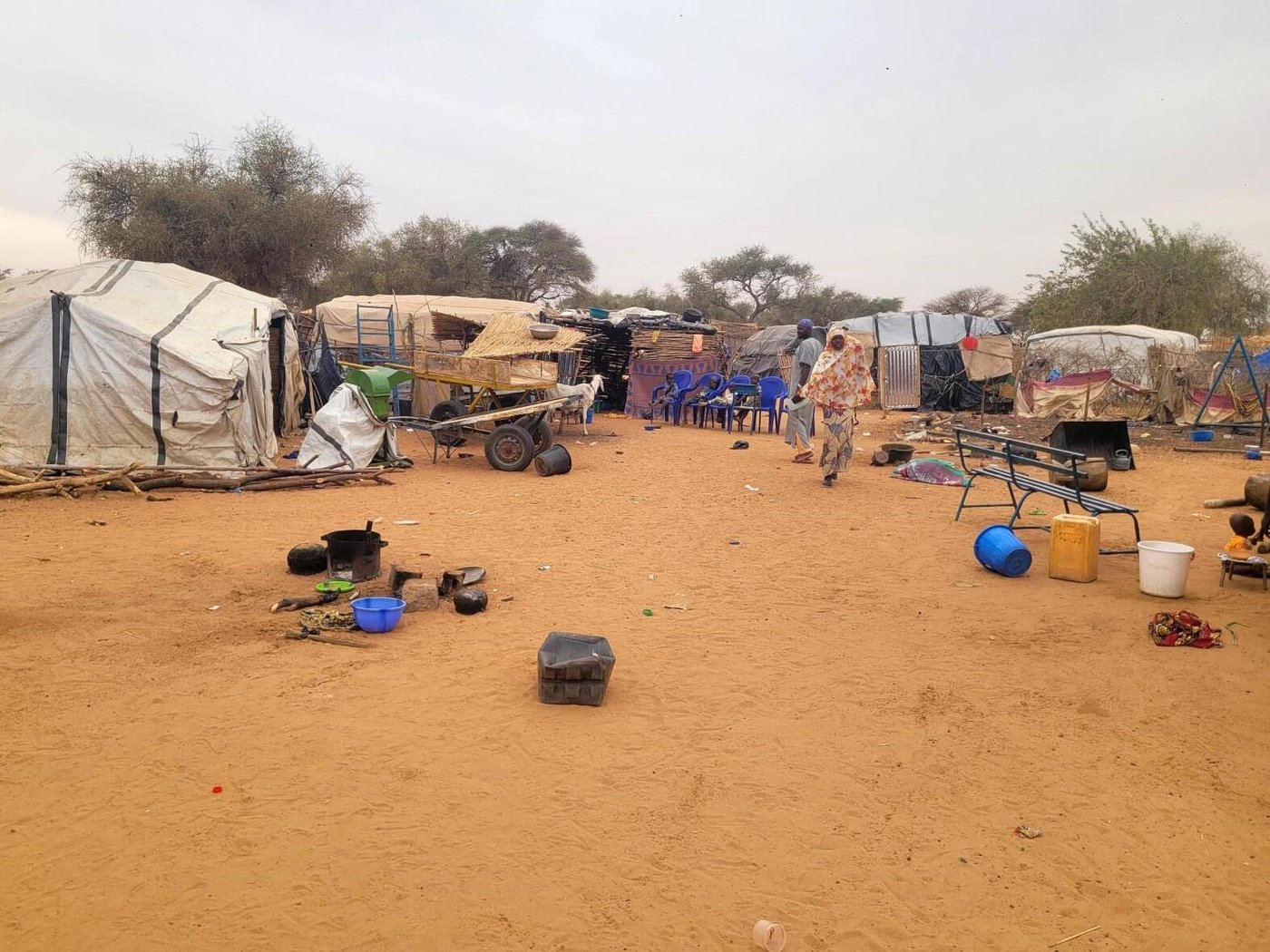
A few months later, a team from the Norwegian Refugee Council (NRC) visited the area and organised a mobile court hearing. With the support of the civil registry and the court, Amadou was finally granted a birth certificate.
This document – a sheet of paper containing just a few lines – changed everything. Without it, Amadou would have had no access to school, healthcare, or other essential services. He would have grown up in the legal void experienced by thousands of displaced children across the Sahel region of Africa.
Aissa is one of 9,760 people who received help with civil documentation as part of NRC’s legal assistance programme in Niger in 2025. In total, more than 31,700 individuals benefitted from the programme – a concrete response to the risk of statelessness that hangs over an entire generation of children born into displacement.
