


The next four months could determine whether Sudan’s hunger crisis deepens in 2027, humanitarian organisations warned today. Conflict, displacement, poor and erratic rainfall, and worsening El-Niño driven drought conditions continue to threaten the country’s upcoming harvest.
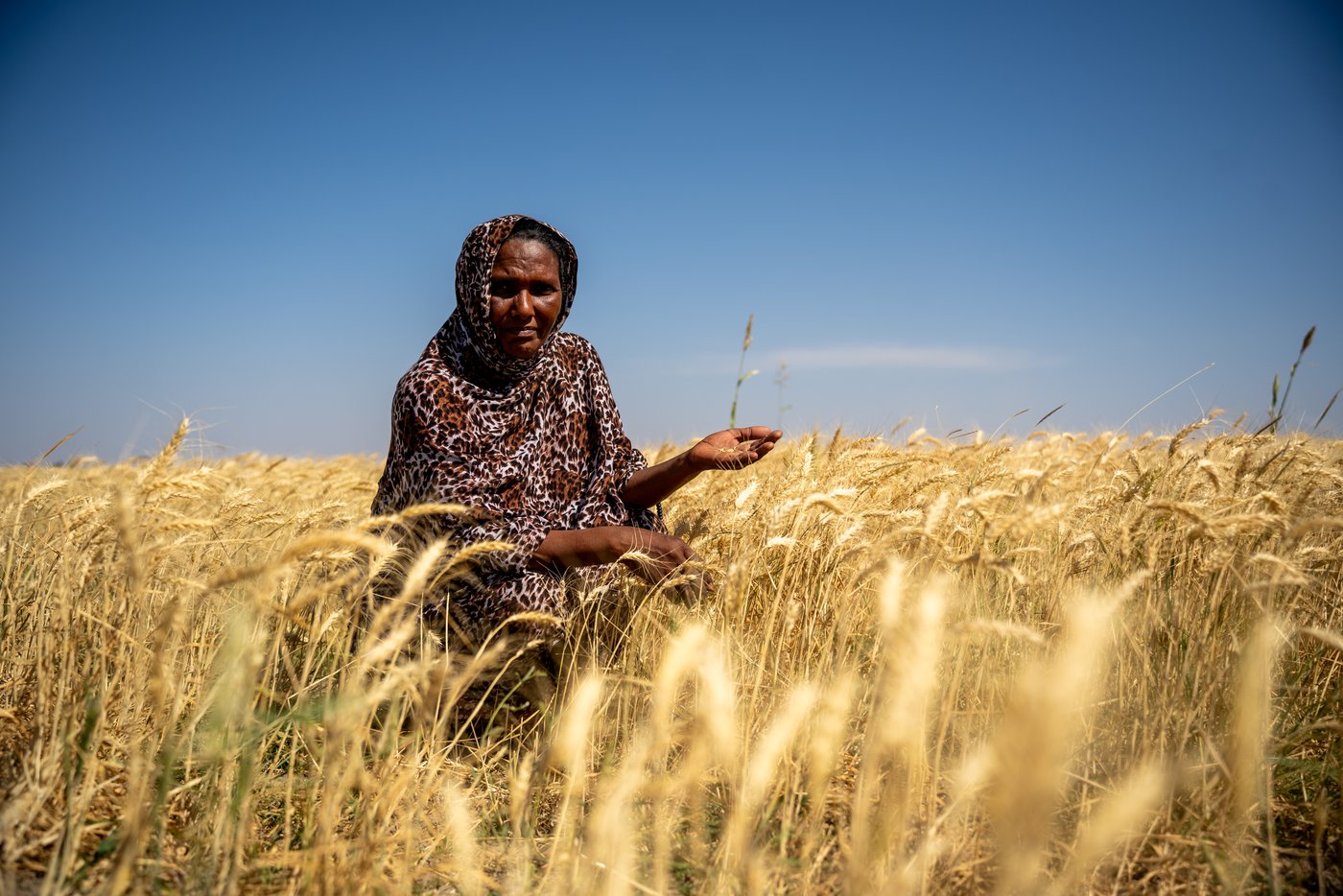
Sudan's harvest at risk as millions face worsening hunger in 2027
According to the Sudan Food Security and Livelihoods (FSL) Cluster, nearly 29 million people already face acute food insecurity. Famine has been confirmed multiple times over the past two years in parts of Sudan by the Integrated Food Security Phase Classification (IPC), while other areas continue to face a risk of Famine.
“What worries me most is that a failed harvest will bring starvation and disease. When people can no longer access food or earn an income, the risks of violence, abuse, and conflict between communities increase dramatically,” said Musa Mohamed Hassan Abdulla, Program Director of Future Stars Center for Development and Capacity building (FSC), and member of the Sudan FSL cluster.
As Sudan enters harvest season, the critical question is: will farmers be able to safely harvest their crops and will food reach the families who need it most?
Farmers across Darfur, Kordofan, Blue Nile and other conflict-affected states have continued to plant despite violence, displacement and severe restrictions on movement. Yet farmlands, roads, markets, water systems, power supplies and other vital civilian infrastructure essential to food production and trade continue to come under attack. Poor and erratic rainfall and growing drought concerns are further threatening this year’s yields, while high inflation and continued currency depreciation are driving up food, fuel and transport costs.
A farmer in South Kordofan described the risks farmers face: "We planted knowing we might be killed before harvest. Not planting was also death."
Farmers in Darfur also report mounting climatic and economic pressures. “As usual, we rented land and prepared it well for cultivation, but the rainfall has been poor. We planted twice, and nothing grew well," explained a woman farmer in Kass, South Darfur. She added: "We have nothing to buy food and prices keep rising. Starvation is around the corner. We are suffering."
Despite immense challenges, Sudanese communities continue to keep food systems functioning. Farmers' associations, women's groups, local responders, traders and community networks are helping food move and livelihoods survive under extraordinarily difficult conditions, often with minimal resources and under constant threat.
Humanitarian organisations are calling on conflict parties and those with influence over them to protect civilians, vital civilian infrastructure and food systems, to ensure safe access to farmland and markets, and to guarantee the safe movement of food, commercial goods and humanitarian assistance. They are also urging regional and international actors to make protection of the October-January harvest window an immediate diplomatic priority and are calling on donors to sustain life-saving assistance and invest in the livelihoods, local responders and food systems that help prevent future hunger.
Protecting this harvest will not end Sudan’s hunger crisis. But losing it will make next year’s crisis significantly worse. Sudan cannot afford a lost harvest.
Protect the Harvest. Prevent Hunger.
Notes to editors:
- Sudan’s harvest season for main crops runs approximately between October 2026 and January 2027.
- The joint call to action has been issued by Action Against Hunger, CARE International, the Danish Refugee Council, the International Rescue Committee, the Norwegian Refugee Council, Mercy Corps and World Vision International Sudan, in collaboration with the Sudan FSL cluster. It is available here.
- Sudan FSL Cluster unites UN agencies, INGOs, and local organisations to coordinate emergency food relief and livelihood protection across one of the world's largest hunger crises. It focuses on pairing immediate, hunger-preventing food assistance with critical agricultural and livestock inputs so crisis-hit households can meet urgent needs while sustaining local food production.
- The Integrated Food Security Phase Classification (IPC) is a multi-stakeholder global initiative aimed at enhancing food security and nutrition analysis to inform decision-making. It is a global scale that divides acute food insecurity into five phases, from phase 1 (minimal) to phase 5 (catastrophe / famine).
Media Contacts
-
Elias Abu Ata, communications and media adviser in Sudan: elias.abuata@nrc.no, +962 788 980 980 (reachable via WhatsApp)
-
NRC global media hotline: media@nrc.no, +47 905 62 329
