
Statement by Jan Egeland, the Norwegian Refugee Council (NRC) Secretary General on the military escalation in the Middle East:
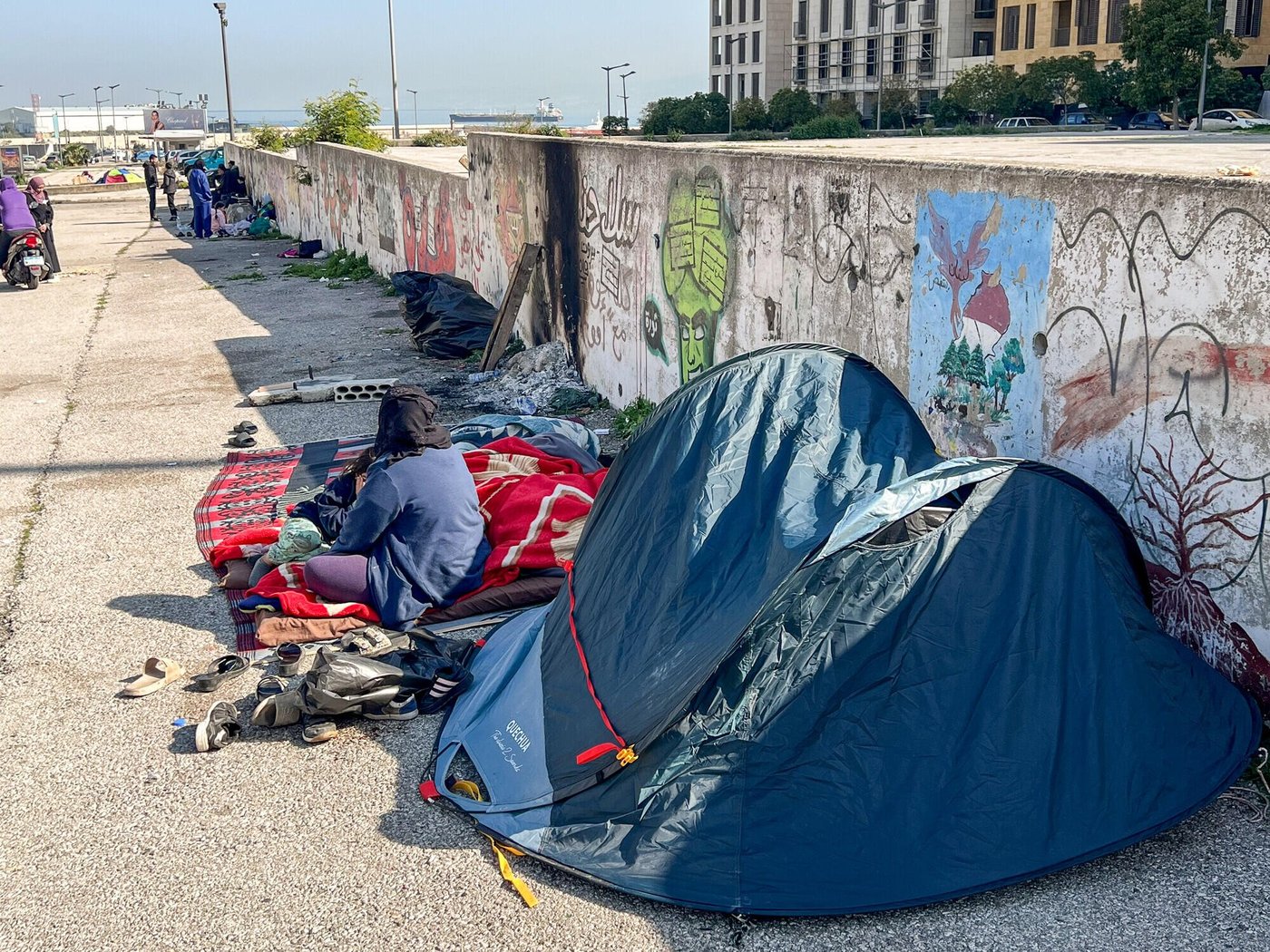
Middle East: We witness how civilians are suffering
“I am horrified by the impact the war in the region is having on civilians. My NRC colleagues across the region will stay and deliver humanitarian relief. This deadly escalation is compounding the suffering of people already hurt or impoverished by previous rounds of conflict.
"In the countries where NRC is operating, we know the impact on civilians is stark. In Iran, strikes have killed and injured many, including children, and damaged homes and schools, forcing families to flee or shelter amid fear and uncertainty. The country hosts over four million Afghans living in displacement, many in highly precarious conditions.
“In Lebanon, the Israeli bombing following Hezbollah's attacks has killed and injured hundreds, and left 65,000 people forcibly displaced in improvised shelters, including mosques and schools, and thousands are sheltering with friends or relatives. Wednesday, Israel issued a warning calling on the entire population south of Lebanon’s Litani River to evacuate - a move that will disrupt many more lives.
“Missile and drone attacks continue to kill and injure civilians in Israel. The strikes have impacted our operations across the occupied Palestinian territory. In the West Bank, including East Jerusalem, many of our activities are significantly affected by movement and access restrictions. Civilians, including our staff, continue to seek safety as missiles fall in the area, where there are no safe shelters. Our work continues in Gaza, but conditions remain catastrophic, and there is widespread fear that the ceasefire agreement could collapse. Several days of crossing closures have led to shortages of goods and rising costs.
“Missiles, debris and shrapnel are also landing in Iraq, Syria, the United Arab Emirates, Qatar, Bahrain, Kuwait, and Oman, killing and injuring civilians.
“Humanitarian operations were critically underfunded even before the latest escalation, forcing aid agencies like NRC to make impossible choices about who receives assistance and who does not. Vast resources are being mobilised for military action whilst humanitarian assistance remains severely underfunded.
“Everything must be done to prevent further displacement, harm or violence. We call on all parties to de-escalate, protect civilians and civilian infrastructure, including schools and hospitals, respect their obligations under International Humanitarian Law, and allow safe and unhindered humanitarian access. The people of this region have endured enough.”
Note to editors:
-
More than 65,000 people in Lebanon have been internally displaced since the escalation (WFP).
-
Israeli authorities announced the closure of all crossings into Gaza on 28 February. They announced that Kerem Shalom crossing would reopen on 3 March. All other crossings into Gaza remain closed.
-
NRC is a global humanitarian organisation helping people forced to flee in 40 countries including Iran, Lebanon, Palestine and across the Middle East.
For more information or to arrange an interview, please contact:
-
NRC global media hotline: media@nrc.no, +47 905 62 329
