
Lebanon is approaching a breaking point as displacement accelerates, with one in every seven people now displaced in the first ten days of the escalation, says the Norwegian Refugee Council (NRC).
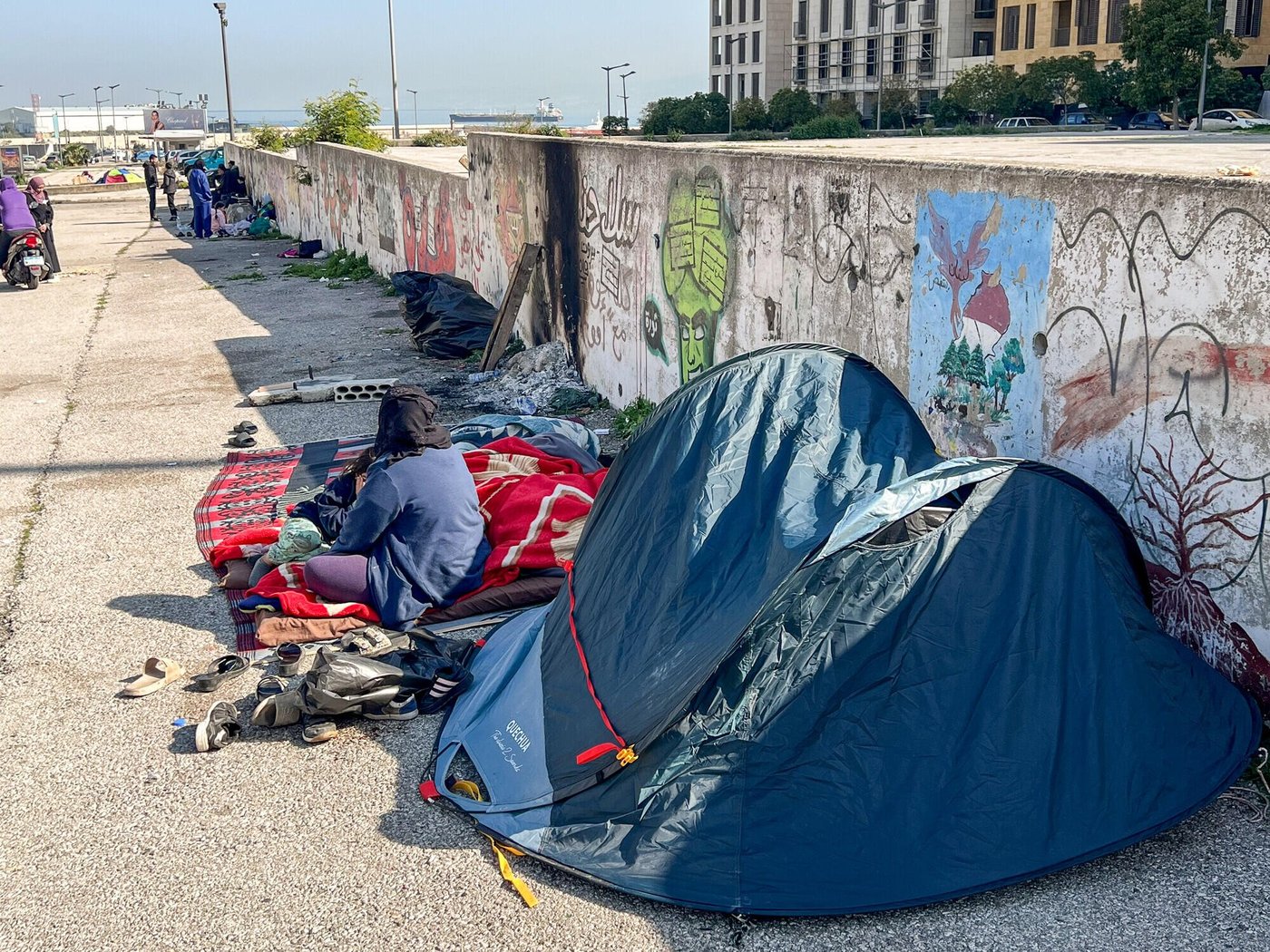
Lebanon: One in seven displaced, 1,500 square kilometres under evacuation orders
At least 816,000, or 14 per cent of Lebanon’s population, have been displaced, according to official figures. The figures are set to rise further as Israel repeats evacuation warnings and bombards more villages and neighbourhoods across Lebanon.
“The scale of destruction and displacement is increasing with every passing hour,” says Maureen Philippon, NRC Country Director in Lebanon. "This indiscriminate bombing must stop. The situation in the collective shelters I have visited bears witness to repeated trauma among families and their children. People are going through the same cycle of bombing, loss, and displacement that they experienced almost two years ago, only with greater intensity and speed."
Israel’s evacuation orders have now engulfed 1,470 square kilometres, or 14 per cent of Lebanon, including South Lebanon, Beirut’s Southern Suburb, and parts of Bekaa. Yesterday, Israel issued additional evacuation orders, further expanding the number of Lebanese villages under imminent threat.
In Tyr, South Lebanon, NRC’s office was badly damaged in an Israeli attack in the neighbourhood. We are lucky nobody was in the office as the extent of the damage means that colleagues would certainly have been injured. The organisation had notified Israel of its office location through the UN but received no warning from the Israeli military ahead of the strike.
“Israel’s mass evacuation orders have expanded to broad geographic directives, often demanding immediate movement, creating panic and fear across communities that strikes are imminent – even when they are not. These orders are likely to cause prolonged displacement with little prospect of return. All efforts must be made to end the use of such orders and ensure that whether they choose to leave an area or remain, that civilians are protected in line with International Humanitarian Law at all times by all parties to the conflict,” added Philippon.
Across collective shelter, where over 122,000 people have sought safety, conditions present immediate challenges for people. In one school sheltering 1,200 people, an average of 15 people are staying in each classroom, with every 23 people sharing a single toilet. There are no shower facilities or cooking gas and a limited supply of water.
NRC continues to support collective shelter with pillows, blankets, mattresses, cleaning items and other basics. NRC is also assessing additional support to improve conditions in shelters, including installing showers, adding latrines where needed, providing water, and setting up partitions to give families greater privacy. The scale of needs is already outgrowing support provided by the government and aid organisations.
NRC urges donors to commit flexible funding to enable humanitarian actors to respond to rapidly growing needs. This must take place while diplomatic efforts exhaust all means to bring an end to attacks on civilians and their infrastructure.
Notes to editors:
-
Since 2 March, 634 people have been killed and 1,586 injured in Israeli attacks in Lebanon, according to official figures (Lebanon’s Disaster Risk Management Unit). No fatalities have been reported in Israel as a result of Hezbollah’s attacks (Reuters), but several people have been injured, according to news reports (Jerusalem Post, Time of Israel).
-
816,700 people are recorded as displaced in Lebanon as of 12th March. This includes 125,800 staying in collective shelters (Lebanon’s Disaster Risk Management Unit).
-
Lebanon has a population of around 5.8 million (World Bank). With 816,000 people forced from their homes, this makes up 14 per cent of the total population.
-
Israel has placed 1,470 square kilometers of Lebanese territory under evacuation orders, representing about 14 per cent of Lebanon’s total land area.
For more information or to arrange an interview, please contact:
-
NRC global media hotline: media@nrc.no, +47 905 62 329
