

Nearly 600 people have been killed in Lebanon in four weeks of fragile ceasefire, while more than one million people remain displaced the Norwegian Refugee Council (NRC) has said.
Lebanon: Nearly 600 killed since fragile ceasefire agreed
NRC calls on all parties to fully respect the ceasefire and uphold international humanitarian law. Civilians, civilian infrastructure, health workers, and humanitarian personnel must be protected at all times. The right of displaced people to return safely and voluntarily must be upheld, and measures that risk turning displacement into a long-term reality must end.
“What we are seeing on the ground in terms of daily attacks on villages has the hallmarks of a repeatedly violated ceasefire,” said Maureen Philippon, Country Director for NRC in Lebanon. “Civilians in Lebanon have known no peace since the agreement was announced. They continue to be killed, injured and displaced by daily Israeli attacks and evacuation orders. The ceasefire is now hanging in the balance.”
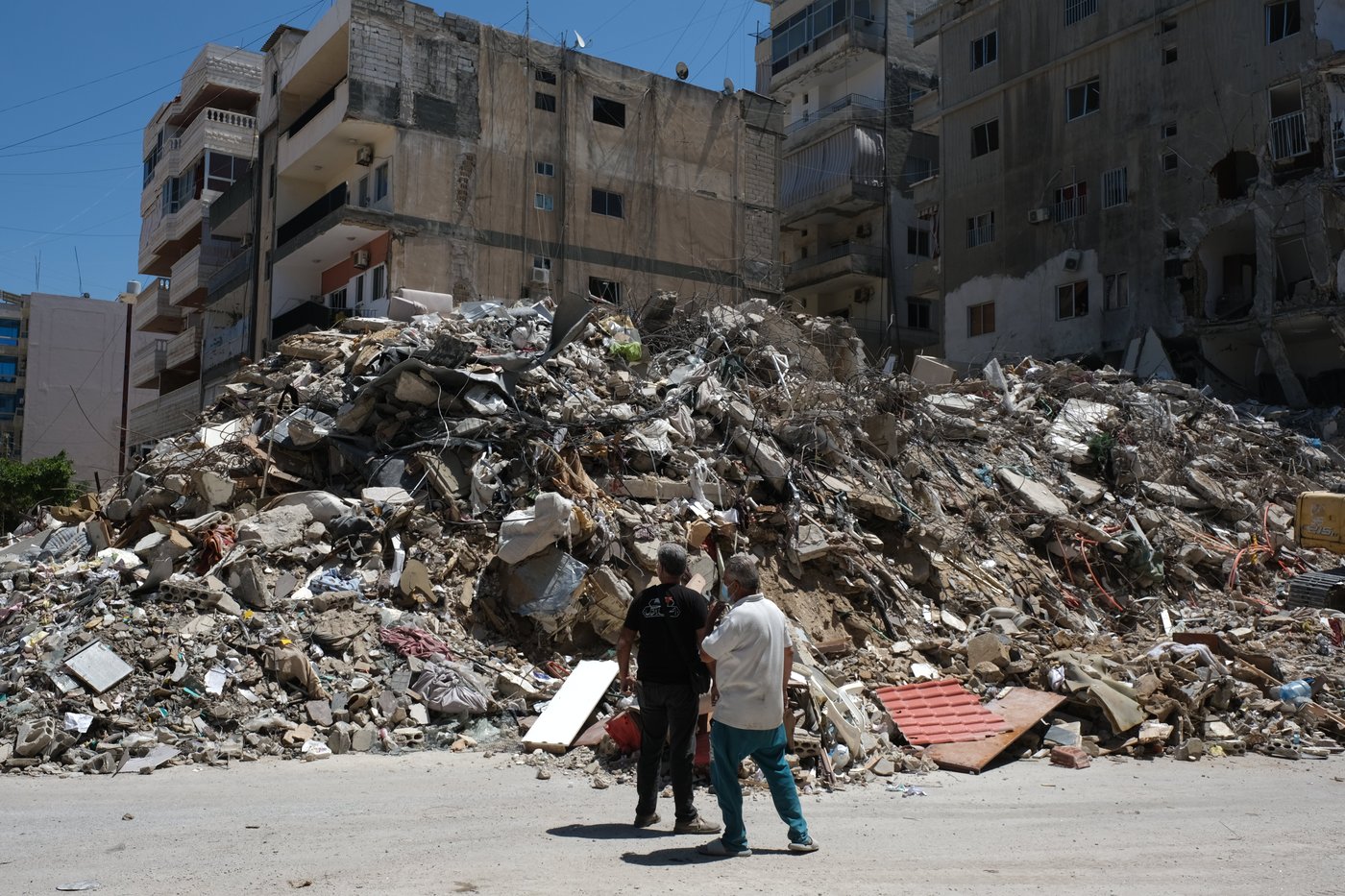
Civilians in southern Lebanon and the Bekaa remain exposed to artillery shelling, airstrikes and demolitions. Entire families have been killed during the ceasefire period. Beirut has also been hit once.
In that same period, Hezbollah has reportedly launched drones and missiles towards Israel. No casualties from these attacks have been reported.
The ceasefire agreement, instead of reversing displacement, has deepened it. Many displaced families who attempted to go back were displaced again after finding their homes damaged and their villages with no water, electricity or services.
Satellite imagery has documented extensive destruction of civilian infrastructure in southern Lebanon, and in some areas entire villages have been bulldozed and razed to rubble, further undermining any realistic prospect of return.
One displaced woman from Bint Jbeil, southern Lebanon, said: “After the ceasefire, we went back to our village to check on our house. But after seeing the destruction and the lack of any real conditions to stay, we returned to displacement.”
Israel has also established a so-called “Yellow Line” which includes 55 Lebanese villages, effectively creating a broader no-return zone. As Israeli forces continue to operate in and around these areas, many families remain unable to return to their homes, land, and livelihoods.
The greater the damage and the longer the disruption to normal civilian life persists, the higher the level of international engagement and support that will be required. There is a direct link between the conduct of hostilities, especially when civilian infrastructure and homes are destroyed, and the cost of recovery. In a country already facing a deep economic crisis, this destruction will only deepen needs and further undermine stability.
“Lebanon risks sliding from a fragile ceasefire into another cycle of violence, one that civilians simply cannot endure,” added Philippon.
Notes to editors:
- Photos from Lebanon can be downloaded for free use here.
- A ceasefire came into effect between Lebanon and Israel on 17 April 2026 for an initial period of 10 days and was later extended for three weeks.
- Since the ceasefire came into effect on 17 April, at least 588 people have been killed, including 23 children, and 1,224 people have been injured. Eight healthcare workers have also been killed. These figures are based on a comparison between the Lebanese Ministry of Public Health casualty figures recorded on 17 April, when the ceasefire came into effect, and those recorded on 12 May. The figures include people killed and injured during this period, bodies recovered or people previously reported missing and later confirmed dead, as well as people who had been injured earlier and died from their injuries during this period
- More than one million people remain displaced in Lebanon, according to OCHA.
- Satellite imagery and media reporting following the escalation that began on 2 March 2026 have documented extensive destruction in southern Lebanon (BBC).
- The so-called Yellow Line is described as a de facto boundary or buffer zone where Israeli forces continue to operate, restricting civilian return to affected areas in southern Lebanon and parts of the Bekaa. It reportedly affects over 55 towns.
For more information or to arrange an interview, please contact:
- NRC global media hotline: media@nrc.no, +47 905 62 329
