
Israel has carried out at least 50 airstrikes in Lebanon in January 2026 alone, double the number recorded in December, and the highest monthly figure since the ceasefire, reports the Norwegian Refugee Council (NRC).
Lebanon: Israel’s surge in attacks highest since ceasefire
The strikes not only create an atmosphere of fear and uncertainty for civilians but also represent a frequent violation of the ceasefire agreed between Israel and Lebanon in November 2024.
“We have seen a clear and dangerous surge in the sheer number of Israeli attacks on Lebanon in the first month of the year,” said Maureen Philippon, NRC’s country director in Lebanon.
“These attacks – as well as the many ground incursions that continue to happen away from the cameras – have deemed the ceasefire agreement little more than ink on paper. Israeli bombing also undermines efforts for reconstruction at the scale and pace that Lebanon needs, and leaves yet more families without homes this winter.
“Aid agencies including NRC are still dealing with the aftermath and consequences of months of destructive conflict which left much of Lebanon in ruins. We call on Israel’s allies to do everything they can to stop these attacks on civilian areas and villages.”
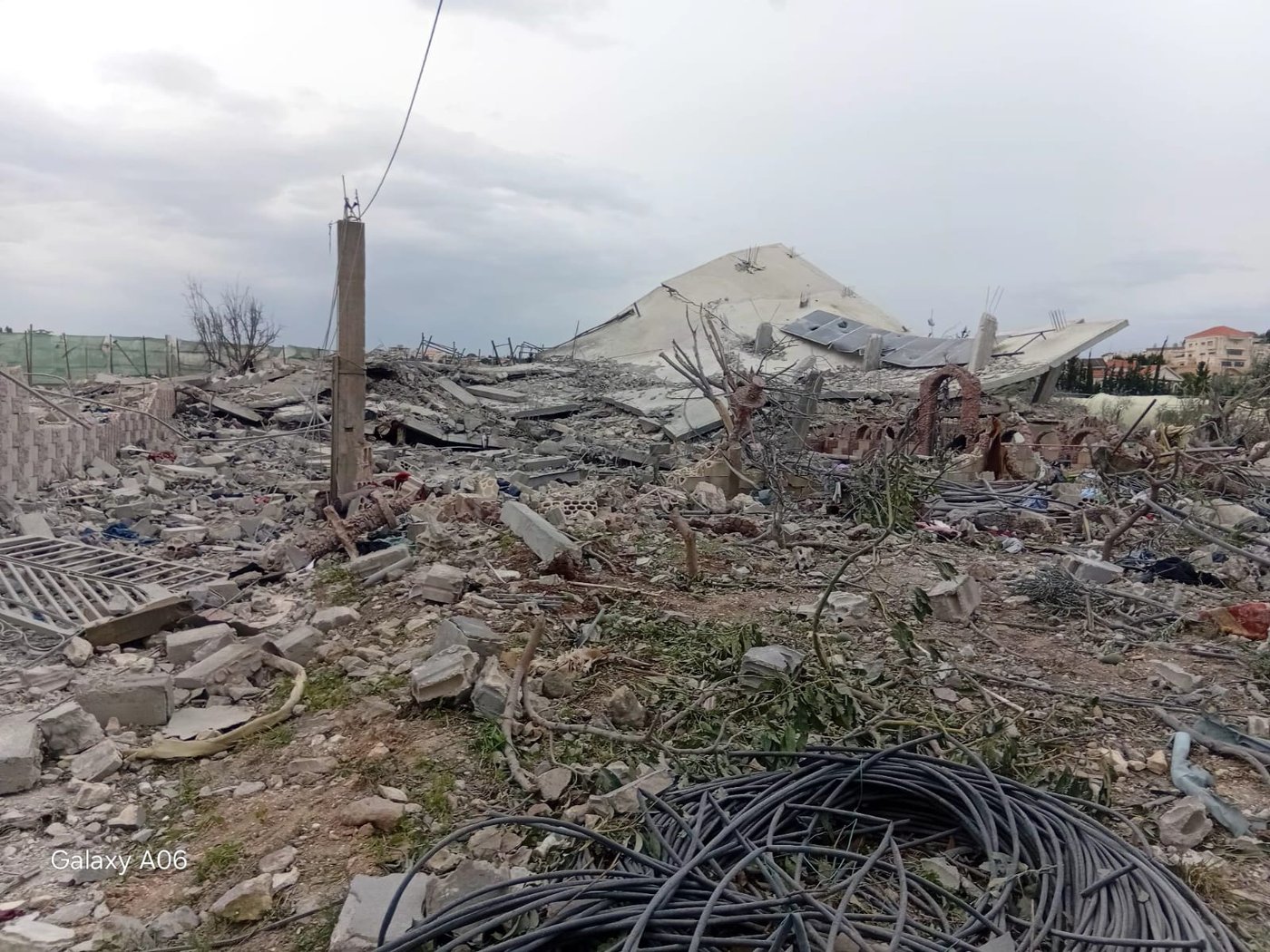
Attacks have spanned Lebanese territories, hitting dozens of Lebanese cities and villages in south Lebanon and the Bekaa valley. Israel’s strikes have targeted a spectrum of premises, including private residences and densely populated neighbourhoods.
Recent airstrikes on blocks of residential buildings in Qanarit and Kharayeb, south Lebanon, destroyed homes and displaced families. This adds to the tens of thousands who remain displaced across the country, with no prospect of going back home anytime soon.
“The impact of these attacks is felt among families and children. One of the schools that NRC helped repair in West Bekaa has been damaged again after a recent nearby strike in the vicinity. This means yet another spell of interrupted education for children. This vicious cycle has to end,” added Philippon.
Sana, a resident of Nabatiyeh district, south Lebanon, told NRC, “Every time we hear a strike, panic takes over. We grab what we can and run, not knowing where it is safe. We can’t take this anymore; we live with the fear that we could be next.”
NRC continues to support affected households through shelter rehabilitation. In addition, NRC is repairing and restoring water pumping stations to ensure that returnees have access to clean and safe water in areas affected by the latest escalation, reducing the need for families to travel long distances to meet their basic needs. NRC is also assisting people who have lost their civil and legal documentation during the escalation to obtain replacement documents and regain access to essential rights and services.
Notes to editors:
- Airstrikes data was provided to NRC by ATLAS Assistance.
- Israel carried out at least 50 airstrikes on Lebanon in January 2026, the highest monthly total since the ceasefire in November 2024 (Atlas Assistance).
- This is also higher than airstrikes recorded in each of the six preceding months when Israel conducted 46 airstrikes in July; 28 in August; 21 in September; 17 in October; 38 in November; and 26 in December (Atlas Assistance).
- These figures refer to airstrikes by manned warplanes only. Drone strikes and other drone-related incidents have also continued during the same period, including reports of drones dropping small munitions such as grenades.
- The tally does not include attacks taking place during Israel’s ground incursions into Lebanese territory.
- Israel committed over 2,000 violations of Lebanese sovereignty in the last three months of 2024, according to the Lebanese government (Ministry of Foreign Affairs).
- A ceasefire agreement between Israel and Lebanon took effect on 27 November 2024.
- More than 64,000 people remain displaced since the October 2023 escalation (IOM).
For more information or to arrange an interview, please contact:
- NRC global media hotline: media@nrc.no, +47 905 62 329
