

Israel must immediately reverse mass evacuation orders in Lebanon to avert humanitarian catastrophe, the Norwegian Refugee Council (NRC) urged today.
Lebanon: 300,000 already displaced as Israel issues mass evacuation orders
According to NRC’s estimates, 300,000 people have already been displaced, less than 100 hours after Israel launched a wave of airstrikes and evacuation orders in South Lebanon, Beirut, and other areas. The strikes came after Hezbollah launched a rocket attack on Israel.
The new Israeli mass evacuation orders engulf hundreds of villages in South Lebanon, as well as villages in the Bekaa and the entire southern suburbs of Beirut, constituting a large area of Lebanese territory, with the number of people who could be displaced potentially exceeding one million.
“Families who had barely begun rebuilding their lives are now forced to flee once again,” said Maureen Philippon, country director for NRC in Lebanon. “People left their homes in the middle of the night with nothing but the clothes they were wearing. Once again, civilians are paying the highest price. If implemented, the latest evacuation orders from Israel could yet produce a humanitarian crisis unlike anything we have seen in over two years.”
According to Lebanese authorities, more than 100 people have been killed and 638 injured since Monday, with more than 529 Israeli attacks recorded across the country.
Zainab, displaced from South Lebanon, told NRC, “It was around three in the morning when we left. We didn’t have time to pack anything. We left with the clothes we were wearing and just tried to get the children into the car.”
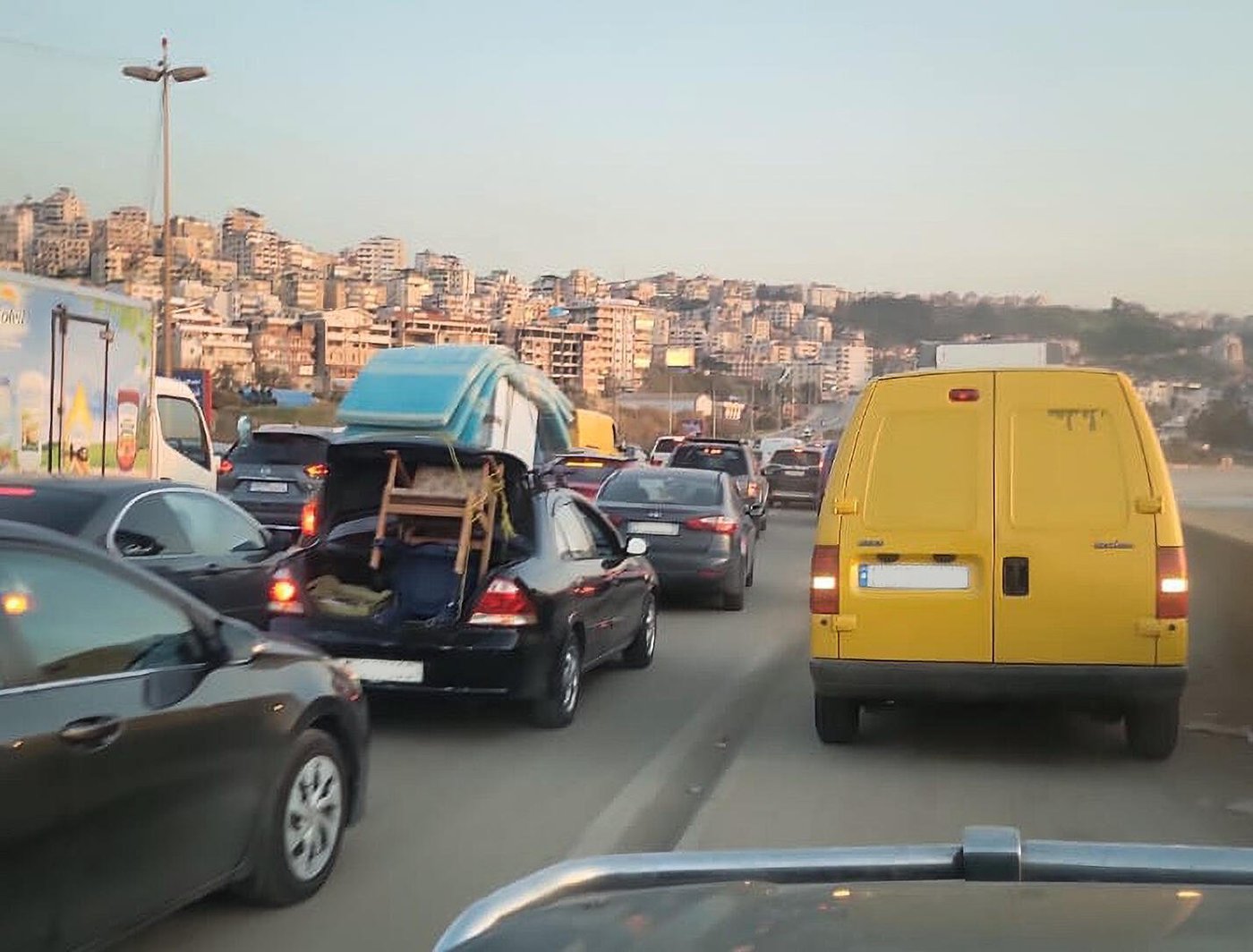
More than 95,000 people are currently staying in collective shelters, many of them public schools converted into improvised emergency accommodation. As displacement continues, many people sleep in their cars, trying to arrange a safe destination. The luckiest ones are hosted by relatives or friends offering living room sofas or crowding children’s rooms.
Israel's evacuation orders demanding civilians leave multiple areas of Lebanon raise serious concerns under international humanitarian law, which prohibits the forcible transfer of civilian populations. These orders do not appear to have military justification and provide no guarantee of safe passage or support for those fleeing and compound the suffering of hundreds of thousands of families. NRC reiterates that all civilians must be protected, including those who choose to remain or are not able to relocate from these areas.
Children remain among those most affected. With schools turned into shelters and families uprooted again, education has been disrupted and children are facing renewed trauma and uncertainty.
“The psychological impact of renewed violence cannot be overstated,” Philippon added. “People who have already experienced displacement and loss are once again facing fear and uncertainty about what tomorrow will bring.”
NRC has launched an emergency response and is distributing essential items, including mattresses, pillows, blankets and hygiene kits, to help displaced people meet their most immediate needs. The coming days will be critical for people– making sure they have a place to stay, ensuring privacy, in particular for women, and providing support for vulnerable people, including those living with disabilities.
NRC calls on all parties to take immediate, concrete steps to de-escalate hostilities and to abide by their obligations under international humanitarian law to protect civilians and civilian infrastructure. NRC also calls on states with influence to use their diplomatic leverage to ensure these obligations are upheld and to support a credible pathway toward de-escalation and an end to the violence.
Notes to editors
-
Photos from Lebanon can be downloaded for free use here.
-
95,773 internally displaced people are currently staying in collective shelters (Disaster Risk Management Unit).
-
NRC’s internal estimates show that 300,000 people at least are already displaced in Lebanon. The in-shelter to displaced rate is consistent with previous mass displacement movements which show that people staying in collective shelters make at most 30 per cent of the total displacement figure.
-
102 people killed and 638 injured since the escalation began (Disaster Risk Management Unit).
-
A cessation of hostilities agreement between Israel and Hezbollah entered into force on 27 November 2024.
-
Since then, thousands of airspace and ground violations have been recorded along the Blue Line (UNIFIL).
-
More than 64,000 people have remained displaced since the first escalation in September 2024 (IOM).
-
On 2 March 2026, missiles were launched from southern Lebanon towards northern Israel. In response, waves of airstrikes followed across several areas of Lebanon, including South Lebanon, the Bekaa Valley and the southern suburbs of Beirut.
For more information or to arrange an interview, please contact:
-
NRC global media hotline: media@nrc.no, +47 905 62 329
