


Conflict-stricken Somalia has been devastated by drought and stark cuts in humanitarian aid this year and is now bracing itself for sweeping floods that could push millions more into starvation. Visiting displacement camps in Kismayo, the Norwegian Refugee Council's (NRC) Secretary General Jan Egeland warned that the situation is at breaking point.
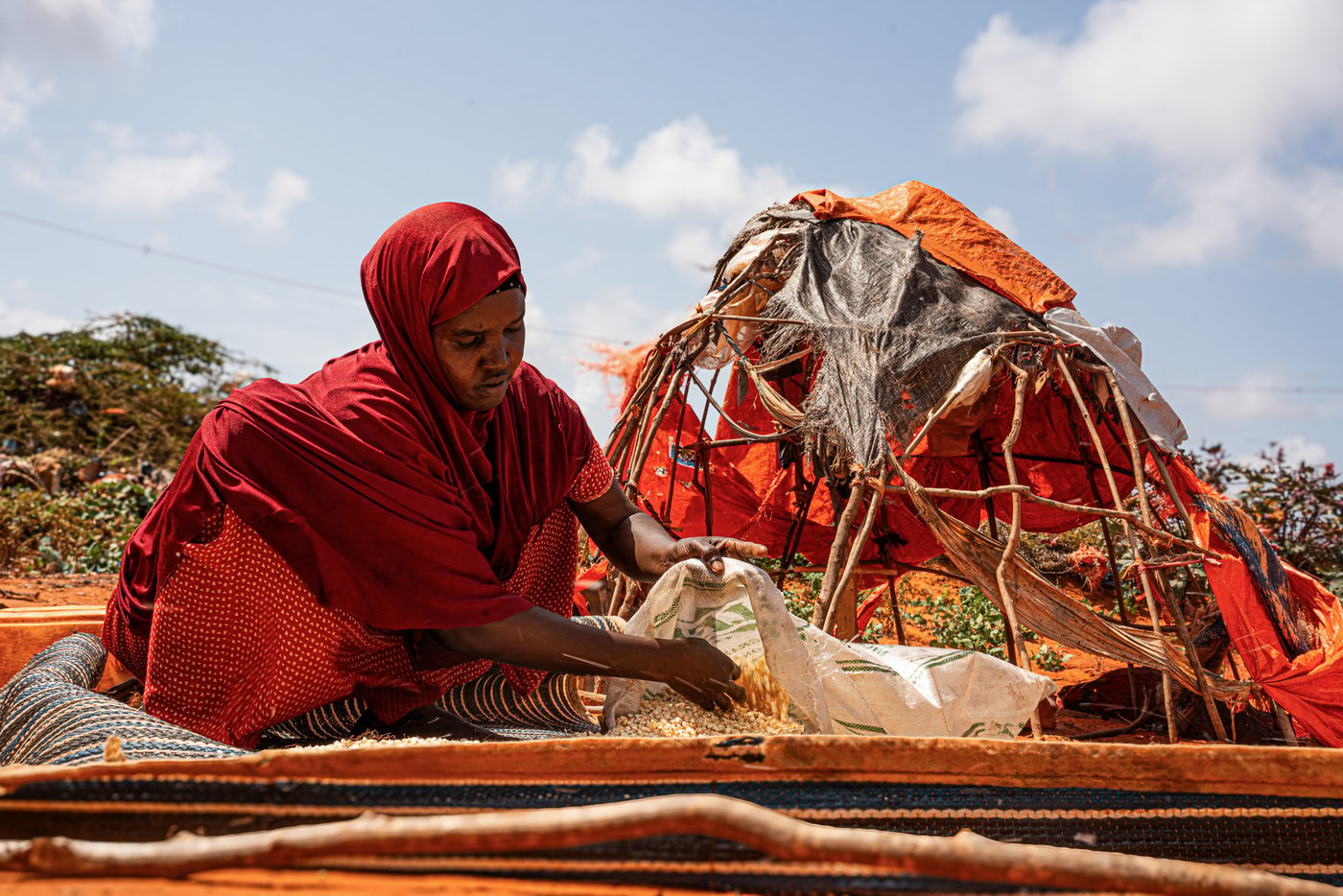
Hunger crisis threatens Somalia as floods come on top of drought and conflict
“Entire communities have been waiting months without any help,” Egeland said. “I have met families, women, children and farmers who have lost everything to cycles of drought and hunger. Families are sharing one plate a day of food. Newborns are in danger of dying from malnutrition. Now they are about to be hit by floods, threatening to wipe them out. We cannot turn away and passively allow another catastrophe to hit these families.”
Six million people, or one out of every three in Somalia, are facing crisis levels of hunger or worse after consecutive seasons of drought. More than 700,000 people have been displaced this year, over 500,000 by drought alone. MSF warns one of every two children in parts of Southern Somalia are malnourished. At the same time, aid cuts have wiped out support for displaced Somalis. Despite the scale of need, Somalia's humanitarian response remains 70 per cent underfunded.
Now another emergency threatens Somalis. The country’s Deyr rainy season, expected in October, is forecasted to be amplified by the global El Niño which could bring the country's most severe flooding since 2023. Forecasters warn that this year's El Niño could rival the floods of 2023, which displaced 1.2 million people, killed 8,000 farm animals, and damaged 11,000 hectares of farmland.
“Somalis pay the toll of brutal climate shocks that were in no way of their doing,” Egeland said. “We know that the next shock is coming and we know how hunger turned to famine in the past when Somalia was abandoned. What we don’t have is the funding to act on it.”
NRC is calling for:
- Scaled up humanitarian funding for food security, nutrition, water and sanitation, shelter, and protection services in the worst-affected areas.
- Immediate investment in flood preparedness: early warning systems, evacuation planning, and protection of critical infrastructure, ahead of the Deyr rains.
- Cash assistance to help families survive the ongoing hunger crisis.
- Long-term investment in resilience programming to break the cycle of recurring drought and flood shocks.
Notes to editors:
- Multimedia for free use and distribution from the Secretary General's visit to Somalia is available for download here.
- Six million people in Somalia face crisis levels of hunger or worse (IPC).
- An MSF survey of displaced families in Baidoa finds every second child malnourished (MSF).
- Malnutrition rates in parts of Somalia are higher than at any point in the last five years (ICRC).
- More than 700,000 people displaced this year, over 500,000 by drought alone (UNHCR/NRC Protection and Solutions Monitoring Network).
- Donor countries have only provided 30 per cent of the money needed for the humanitarian response in 2026 (OCHA Financial Tracking Service).
- 75 per cent of protection services closed over the past year (NRC briefing note).
- The key driver of acute food insecurity is shifting from drought during the April-June 2026 Gu season to flooding during the October-December 2026 Deyr season (FEWS NET).
For interviews, contact:
- NRC global media hotline: media@nrc.no, +47 905 62 329
- Abdulkadir Mohamed, Communications Manager in Somalia, abdulkadir.mohamed@nrc.no +252 615544676
