


Norwegian Refugee Council (NRC) calls for urgent scale-up as outbreak continues to outstrip humanitarian operation
Ebola: 10,000 confirmed cases demands rapid scale-up
The Democratic Republic of the Congo (DR Congo) has now confirmed more than 10,000 cases of Ebola in the current Bundibugyo virus outbreak. The outbreak has affected eight provinces in DR Congo, placing an enormous burden on affected communities. The epidemic is currently concentrated in eastern parts of the country, but recent cases in Kenya and Nigeria have raised fears of a regional flare-up. Almost five thousand deaths have now been confirmed in DR Congo alone.
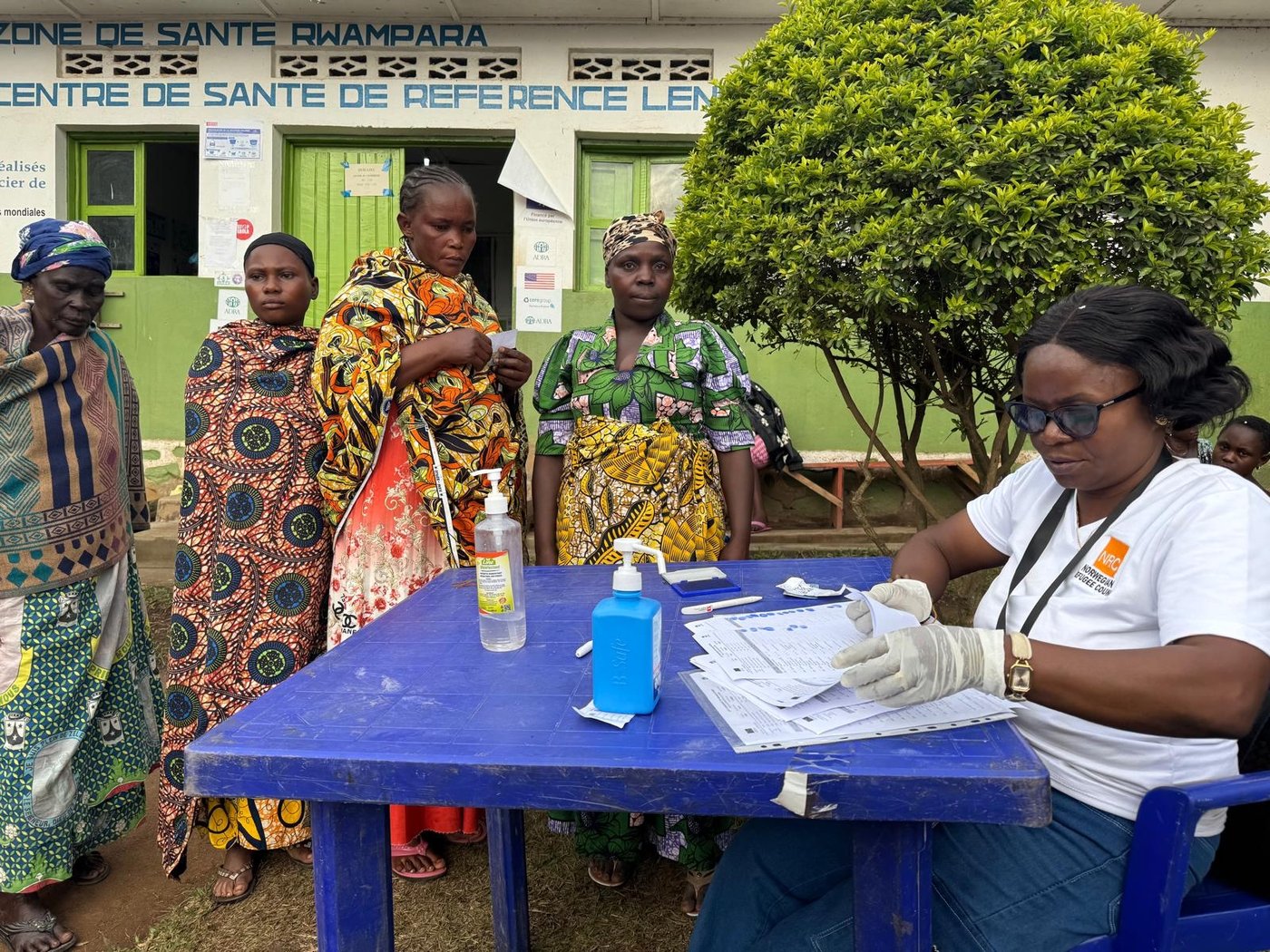
The outbreak comes on the backdrop of a chronic and neglected humanitarian crisis in eastern DR Congo. NRC has been operational in the country for over two decades, and is taking part in the Ebola response, including in the most affected province of Ituri. NRC urgently calls for sustained and coordinated efforts to protect communities, strengthen access to essential services, and address the needs of people affected by the outbreak and displacement.
“As I move around Ituri I’m seeing just how hard the disease is hitting communities, and I'm struck by how much more needs to be done to bring this outbreak under control,” said Silvia Beccacece, NRC emergency team leader. “Families here have been struggling for years as a result of extreme violence, forced displacement, and the lack of essential services. Ebola comes on top of that, at a point where many have exhausted their ability to cope with the additional challenge it brings. The fact remains that this response is in no way proportionate to the vast scale of the outbreak.”
Combating Ebola requires close cooperation between health authorities, humanitarian organisations, community-based organisations, and international partners. It is essential that the response is scaled up in a way that keeps communities at the centre and is grounded in local customs and traditions. NRC calls on donors and partners to increase their support for humanitarian operations in the DR Congo, particularly in areas affected by the outbreak and displacement.
“10,000 confirmed cases must be a wake-up call that this response is not getting ahead of the outbreak, and is not supporting communities with what they need to bring transmission under control. The warning signs are here for all to see: now it depends on whether leaders will take notice and take the required action,” said Beccacece.
Note to editors:
-
The latest figure for confirmed Ebola cases in DR Congo is 10,060, with a mortality rate of almost 50 per cent (National Public Health Institute). The outbreak is now the largest and deadliest in DR Congo’s history
-
NRC operates in 19 affected health zones, with a targeted Ebola response in Ituri, and continues to scale- up its Ebola response while maintaining essential humanitarian assistance in affected and high-risk areas.
-
NRC is contributing through an integrated approach combining infection, prevention and control measures, water and sanitation response (WASH), and risk communication and community engagement activities, with a major focus on schools, to make sure they can operate safely. (NRC)
-
DR Congo has featured on NRC’s neglected displacement crises list for ten consecutive years (NRC).
For more information or to arrange an interview, please contact:
-
NRC global media hotline: media@nrc.no, +47 905 62 329
