


NRC Somalia Country Director's statement on IPC results released today.
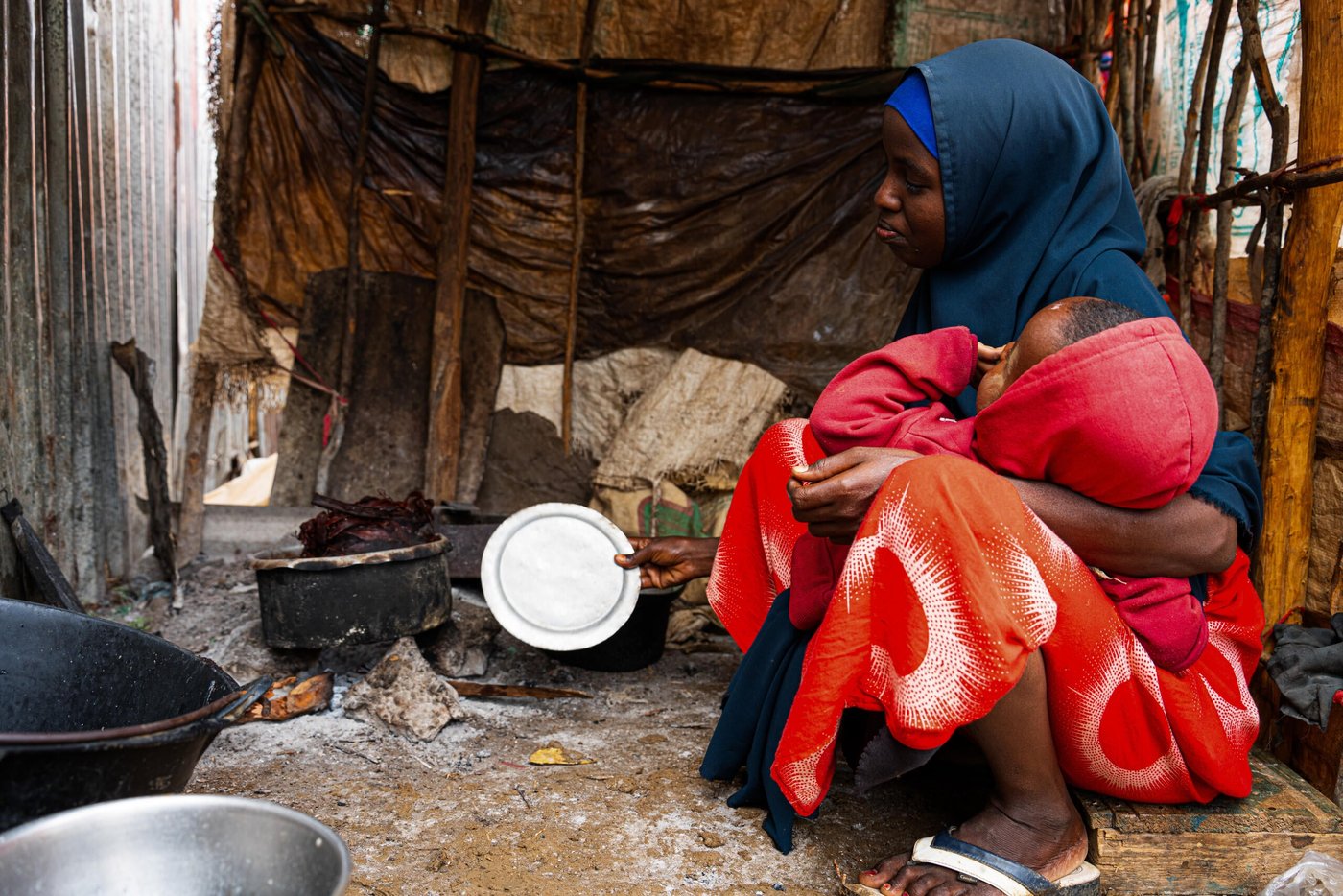
Crisis hunger levels worsen in Somalia
New Integrated Food Security Phase Classification (IPC) data just released shows 6 million people in Somalia are facing crisis levels of hunger or worse, exceeding earlier predictions and with conditions expected to worsen further without urgent action.
The Norwegian Refugee Council's Somalia country director Mohamed Abdi said: “Six million people facing crisis level hunger in Somalia is worse than what was predicted, and the figures will keep rising.
“Communities in Burhakaba are on the edge of famine right now and could cross that line by June. Meanwhile, Somalia is absorbing an economic shock on top of a hunger crisis: fuel prices up 150 per cent, basic food staples up 50 per cent since the Hormuz Strait closure. Only 15 per cent of the humanitarian response is funded. We are watching this deteriorate in real time while the resources to stop it are not there.”
Notes to editors:
- Photos and B-roll can be downloaded for free use here.
- From April to June 2026, 6 million people in Somalia are estimated to be facing high levels of acute food insecurity, including more than 1.9 million at IPC Phase 4 (Emergency). Separately, 1.88 million children under the age of 5 are at risk of malnutrition over the course of the year. This is a deterioration from earlier predictions, reflecting the impact of the Middle East conflict on food costs and uneven rainfall. (IPC April-June Projection Update).
- Humanitarians have warned that communities in Burhakaba district, Bay Region, will face IPC 5 or famine levels by June unless there is an immediate scale up of humanitarian assistance.
- Somalia’s humanitarian response is critically underfunded, with only 15% of requested funds secured (OCHA).
- Somalia is acutely impacted by the close of the Hormuz Strait: Somalia relies on imports for 90% of basic goods. Since the closure of the Hormuz Strait, fuel prices have gone up from US$0.60 to $1.50 per litre and the cost of staples including rice, flour, and cooking oil have risen by 50% (OCHA).
- This year over 550,000 people have been displaced in Somalia, with 91% of them driven by drought related impacts (). This is in addition to 3.3 million already displaced people in the country (OCHA).
- The Gu rainy season began in April, but rainfall has been uneven. Areas in the Northwest and parts of southern Somalia received sufficient volume of rain throughout April but other parts of Somalia have not including parts of Hiiraan, Middle Shabelle, Bay, Lower Shabelle, Galgaduud, Mudug, Bari, and some northern coastal areas have received only limited rain (SWALIM).
For more information or to arrange an interview, please contact:
- Karl Schembri, media adviser in Nairobi, karl.schembri@nrc.no, +254 741 664562
- NRC global media hotline: media@nrc.no, +47 905 62 329
