


Conflict and violence drove a record 32.3 million internal displacements in 2025, surpassing disaster displacements for the first time on record, according to the Global Report on Internal Displacement 2026 published today by the Internal Displacement Monitoring Centre (IDMC).
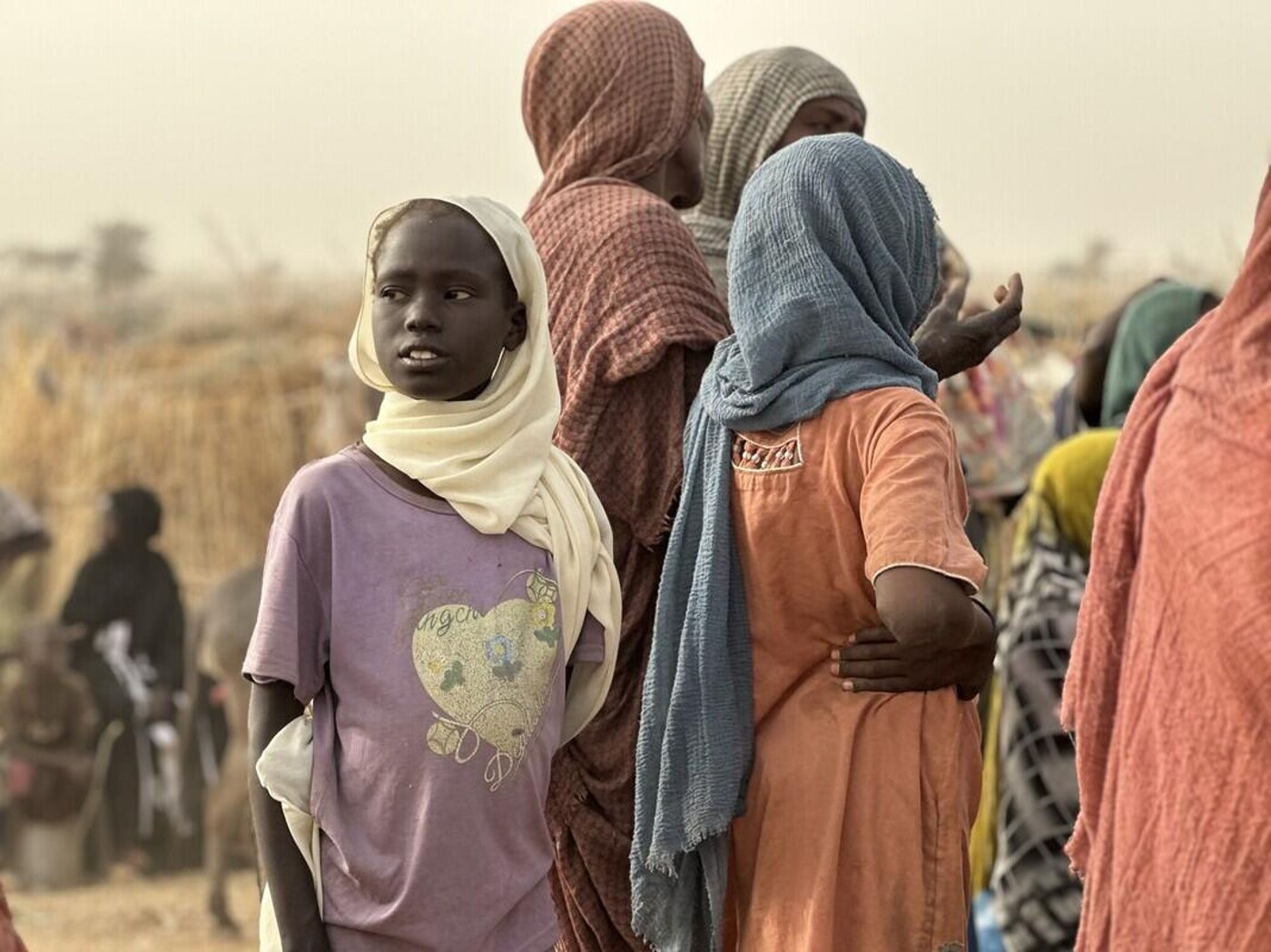
Conflict and violence become the leading driver of internal displacements
- Conflict displacements have increased by 60% compared to 2024, driven by increasing international conflicts, persistent non-international armed conflicts and attacks on urban areas.
- The total number of internally displaced persons has doubled in the last decade, from 38.9 million in 2016 to 82.2 million in 2025.
- The Global Report on Internal Displacement 2026 confirms that internal displacement represents a global structural crisis that governments need to address.
“Never have we recorded such a staggering number of displacements related to conflict,” said IDMC director Tracy Lucas. “As conflicts are intensifying, it is often the same people who are uprooted again and again. Yet the systems meant to protect them are being dismantled.”
Meanwhile, the number of people living in internal displacement remained near record levels, at 82.2 million, the second-highest figure ever recorded.
Emerging, escalating and entrenched conflicts forced people to move repeatedly within their countries, driving a 60 per cent increase in conflict displacements compared with 2024. As instability deepened throughout the year, Iran, with 10 million internal displacements, and the Democratic Republic of Congo, with 9.7 million, together represented two-thirds of conflict displacements.
Disasters also continued to drive large-scale forced movement. Storms, floods and other hazards triggered 29.9 million internal displacements in 2025, a 35 per cent decrease compared with the exceptionally high levels of 2024, but still 13 per cent above the annual average of the past decade.
Countries previously less affected recorded large-scale displacements, while previous hotspots continued to be exposed, pointing to the ever-evolving patterns linked to a changing climate and need to invest in climate adaptation. Wildfires illustrated this shift by becoming an increasingly significant driver of displacement globally, accounting for more than 694,000 displacements in 2025, the hazard’s second-highest figure recorded in the past decade.
While the total number of internally displaced people fell slightly compared with 2024, it remained close to its historic peak. The decline was partly linked to reported returns, many of which took place under fragile conditions.
“Internal displacement of tens of millions is a sign of a global collapse in prevention of conflict and basic protection of civilians,” said Jan Egeland, secretary general of the Norwegian Refugee Council (NRC). “Countless families are returning to destroyed homes and disappearing services - or cannot return at all. From DR Congo and Sudan to Iran and Lebanon, we see millions more displaced on top of the previous record numbers driven out if their homes. We cannot continue like this.”
Internal displacement remained highly concentrated: nearly half of all conflict IDPs (31.4 million) lived in just five countries, with Sudan hosting the largest number for the third consecutive year (9.1 million), followed by Colombia (7.2 m), Syria (6 m), Yemen (4.8 m) and Afghanistan (4.4 m).
In 2025, data availability declined in several contexts due to fewer assessments and reduced coverage, limiting visibility on displacement dynamics and the situation of displaced people.
“Reliable displacement data is critical for understanding where needs and risks are greatest and for ensuring that policies and resources match the scale of the challenge,” Lucas said. “With rising needs and shrinking resources, investing in national data systems and coordination remains essential.”
Additional key findings
-
Global instability deepened in 2025, driving internal displacement to near-record levels worldwide. A total of 62.2 million internal displacements were reported during the year, including a record 32.3 million displacements caused by conflict and violence and 29.9 million caused by disasters.
-
Disaster displacements declined from the extreme highs of 2024, but risks remain severe. The 29.9 million disaster displacements recorded in 2025 were still 13 per cent above the average of the past decade, underscoring the fluctuating but persistent toll of climate and weather shocks.
-
Growing data gaps risk hiding the scale and impact of the crises. In 2025, IDMC observed reduced displacement data availability in 15 per cent of monitored countries, three times the share of 2024.
Read the full report.
Download the data.
About the Internal Displacement Monitoring Centre
The Internal Displacement Monitoring Centre (IDMC) is the world's leading source of data and analysis on internal displacement.
Since its establishment in 1998 as part of the Norwegian Refugee Council (NRC), IDMC has provided high-quality data, analysis and expertise on internal displacement to inform policy and operational decisions that can improve the lives of internally displaced people (IDPs) worldwide and reduce the risk of future displacement.
About the Global Report on Internal Displacement
IDMC’s Global Report on Internal Displacement (GRID) is the authoritative source for data and analysis on the state of internal displacement for the previous year. Each year, IDMC presents the validated estimates of internal displacements by conflict and disasters, and the total cumulative numbers of internally displaced people worldwide.
The GRID also provides an overview of the year’s most significant internal displacement situations, highlighting potential measures to address the issue across the humanitarian, development, disaster risk reduction and climate change agendas.
How to read our data
Internal displacements refer to the forced movements of people within the country they live in. The number of internal displacements counts each new forced movement of a person within the borders of the country of their habitual residence recorded during the year. The same person or people can be displaced several times over a given period of time. We count each time a person is forced to move as an internal displacement. We also refer to these as movements.
The number of internally displaced people is a snapshot of the total number of people living in internal displacement at a specific point in time in a specific location. For our Global Report on Internal Displacement (GRID) and the Global Internal Displacement Database (GIDD), we make these snapshots as of the end of each year.
Media contact:
For interviews, please contact:
Johanna Bohl, Communications Adviser
Internal Displacement Monitoring Centre (IDMC) | Norwegian Refugee Council
La Voie-Creuse 16 CH-1202 Geneva, Switzerland
johanna.bohl@idmc.ch
Tel: +41 76 244 92 34
