
Every single hour throughout 2025, the life of a student or teacher in Colombia was placed in jeopardy. These relentless attacks on education continue to turn schools into danger zones leaving those within them at constant risk, warns the Norwegian Refugee Council (NRC).
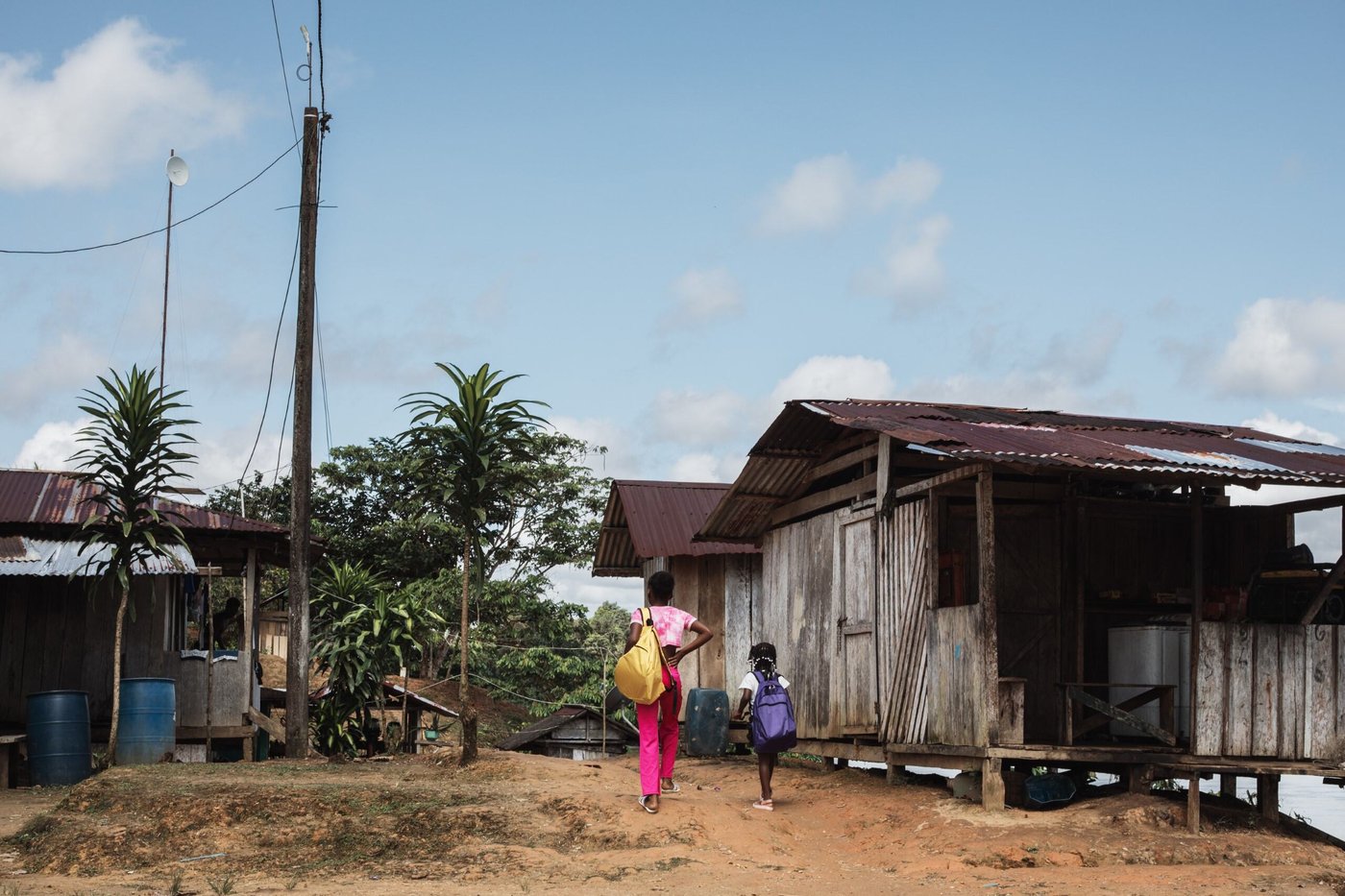
Colombia: Attacks on education continue unabated
NRC reiterates our urgent call to all parties to the conflict to respect the safety of the classroom.
“It is a matter of life and death that immediate action is taken to prevent direct attacks on schools as armed groups fight for control in the country,” said Giovanni Rizzo, NRC’s country director for Colombia.
The lives and safety of more than 11,000 people were affected by 83 attacks on education in Colombia throughout 2025, according to a recent NRC report. These findings reveal that attacks on education impacted 104 schools, across the nine of Colombia’s 32 departments where the organisation provides humanitarian assistance.
“Let’s be clear: the situation remains critical and utterly unacceptable. We will see no real, lasting change on the ground until every single party to this conflict stops treating schools as targets. Schools must remain off-limits for violence. It is time that obligations of the parties to the conflict are turned into effective actions to protect the future of Colombia,” said Rizzo.
Attacks on education included armed clashes within school grounds, the placement of explosives in schools, and the occupation of schools as military bases. These factors were the primary drivers of the crisis throughout the year. Furthermore, the forced recruitment of children from schools, alongside forced displacement and the targeted killing of teachers, poses a severe threat to education.
“The clashes started while we were still in class. One of the armed groups moved right into the school,” a teacher in Chocó department, western Colombia told NRC. “We begged them to go, but they wouldn't listen. After the fighting stopped, it fell to us to clean up the aftermath – picking up spent shells, military clothing, and the waste they’d left in our classrooms.”
On an average, every two weeks a school in Colombia was used or occupied for military purposes, according to the NRC report. These occupations do more than just close classrooms – they directly compromise a child’s right to education and their future. Since school is often the only place these children are guaranteed food, these attacks also steal their next meal.
“Education cannot wait for the guns to fall silent; it is a matter of survival. The State and the international community cannot afford to fail these children. We must ensure that schools are true safe places where education, food, and health services never stop. Because we know the truth: a hungry child cannot learn, and a child out of school is a child left as prey for the recruiters of conflict,” said Rizzo.
Notes to editors:
-
According to data collected by NRC, a total of 11,214 people were affected by attacks on education in the context of armed conflict during the period January to December 2025 in areas of Colombia where NRC has a presence.
-
The frequency of one person being affected by attacks on education every hour is derived from a total of 11,214 people affected over a 365-day/8760 hours reporting period.The same data found 31 schools were used or occupied by armed groups in the departments NRC is present – an average of one school every 12 days.
-
Colombia is composed of 32 departments. During 2025, NRC collected information in 9 departments: Antioquia, Arauca, Cauca, Chocó, La Guajira, Nariño, Putumayo, Norte de Santander y Valle del Cauca.
-
Due to a decline in humanitarian funding, NRC were only able to report on attacks on education in nine departments in 2025—five fewer than the 14 departments covered in 2024.
-
Humanitarian funding for Colombia to address the needs of populations affected by armed conflict was halved from 2024 to 2025, from approximately 207,3 million dollars in 2024 to approximately 98,4 million dollars in 2025 (OCHA).
-
4,4 per cent of the 2025 funding went to education (OCHA).
-
NRC's report (only available in Spanish) is not a comprehensive analysis of all attacks on education in Colombia. The data and information presented in this report only reflect the situation in the areas where NRC is present, and its categories of analysis are limited to those related to the Safe Schools Declaration.
-
The Safe Schools Declaration is an intergovernmental political commitment dedicated to protecting students, teachers, and educational institutions during armed conflict. It provides a framework for states to ensure the continuity of education by committing to refrain from the military use of schools and to implement concrete measures that safeguard learning spaces from attack.
For more information or to arrange an interview, please contact:
-
NRC global media hotline: media@nrc.no, +47 905 62 329
-
Ana Milena Ayala Sanchez, advocacy and communication officer in Colombia: ana.ayala@nrc.no, +57 3232746021
