
Half-way through 2026, humanitarian funding for some of the world’s most neglected displacement crises remains at rock bottom. As the reality of funding cuts begins to show, millions of people are being completely abandoned by the world, warns the Norwegian Refugee Council (NRC).
Alarming lack of funding for lifesaving aid in 2026
Press release
Global
Afghanistan
Burkina Faso
Mali
Niger
Published 01. Jul 2026 - Updated 30. Jun 2026
“2026 is a make-or-break year for millions in desperate need around the world from Venezuela to Sudan. Families whose lives have been shattered by conflict are increasingly struggling to survive. Violence and displacement continue unabated, while spiralling inflation puts basic goods out of reach all at a time when aid is declining due to a lack of funding. If the world doesn’t choose to change course, we will see a massive loss of lives,” said Jan Egeland, NRC’s secretary general.
Six months into the year only 30 per cent of the funding needed to support 143 million people out of the 252 million people in need of aid globally has been received.
“Global generosity for victims of conflict and disasters is abysmal. Without a dramatic increase of support, countless communities in need of aid will have little chance of being helped this year. We urgently need to see countries able to fund space missions and World Cups step up to support people living through crisis,” said Egeland.
“Families I have spoken to in Sudan, Iran, Gaza and Ukraine this year all told me they felt forgotten by the world. But it is not too late to change this.”
The drop off in funding from countries in North America, Europe and other affluent nations is hurting certain regions especially hard. Some of the world’s most chronically neglected crises are seeing desperately low levels of funding.
“Countries must allocate funding based on the level of need, not their own geopolitical and nationalistic interests. They must not simply focus on those featured on the frontpages. We commend the effort of Sweden who continue to give based on the objective assessment of needs, and hope others will follow suit,” said Egeland.
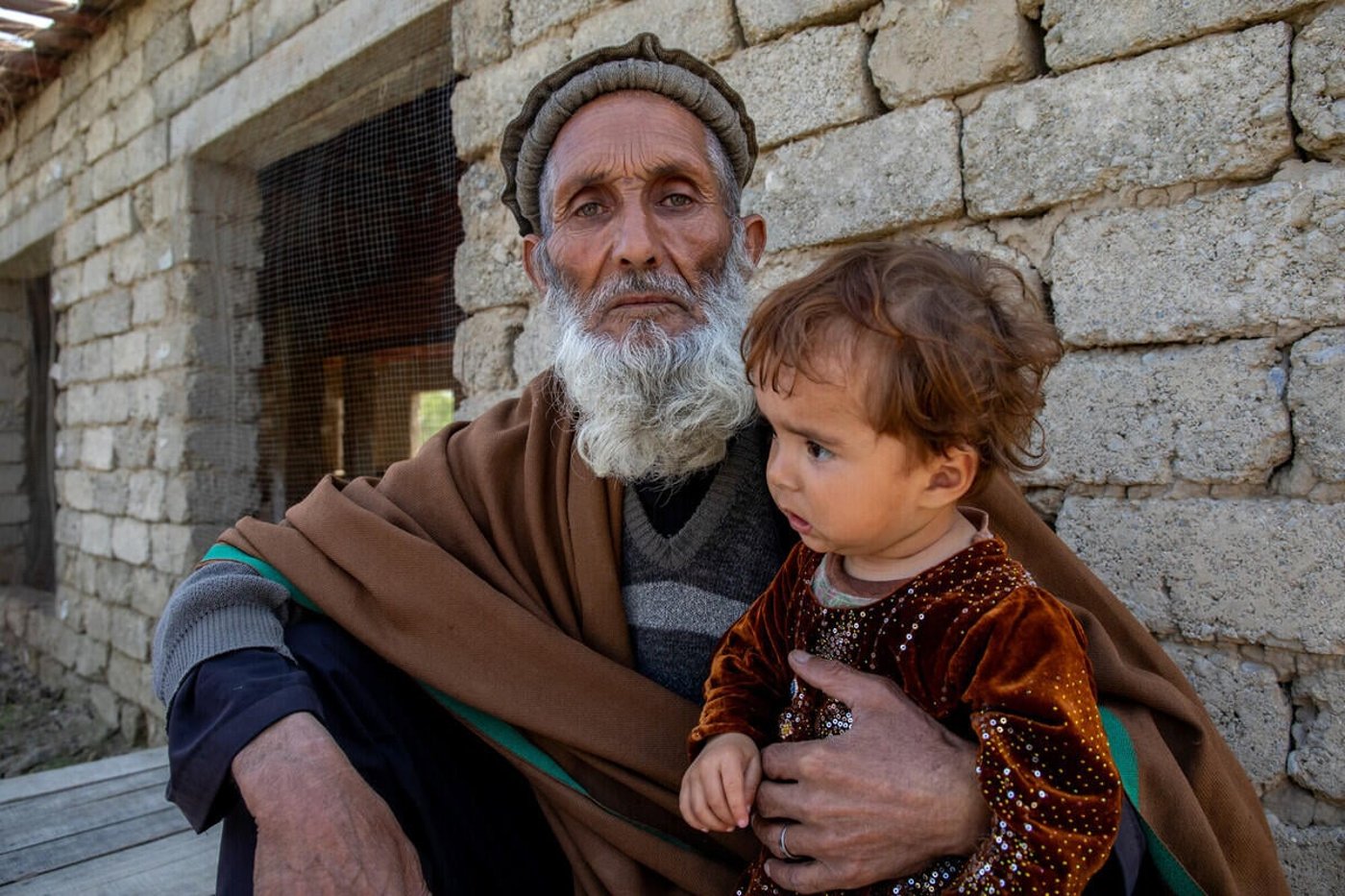
Afghans, that for many years saw a robust humanitarian response and a huge and expensive Western military operation, is now one of the peoples with the least funding. This shift is in part due to the ending of all US humanitarian support to the country, despite the US having contributed more than 40 per cent of all aid to Afghanistan up to 2024. This drop in funding comes at a time when 21.9 million people require aid, and millions are returning from neighbouring countries. Just 11 per cent of adults who have returned to Afghanistan are fully employed.
“This year for the first time Afghanistan features on NRC’s list of the world’s most neglected crises. Now we are seeing funding for Afghanistan hit record low levels with just one in every six dollars needed for aid currently available. Families tell us the drop in aid has left them without a lifeline and without access to even basic services. Donors must heed the warnings before millions more fall into hunger and desperation,” said Egeland.
“Our lives have got worse from the last two years. My husband used to work from time-to-time and humanitarian organisations also used to come in this area to assist us. Now, we don’t see much of that assistance, and my husband is unemployed and most days is unable to get work,” said Momina, a 45-year-old mother of six from Nangarhar province in Afghanistan.
Countries in the Central Sahel dominate the list of lowest funded humanitarian responses with Niger, Burkina Faso and Mali making up three of the five least funded plans in 2026. Millions face displacement, worsening protection conditions, and the loss of basic services. Alongside the dire levels of humanitarian funding, the region has also seen a sharp decline in development financing that has weakened already fragile systems and left schools and health facilities struggling to function.
“For too long, the Central Sahel has faced chronic underfunding and neglect. Humanitarian funding is essential, but without longer-term investment the conditions that leave people increasingly vulnerable, such as lack of services, limited opportunities, and rising displacement, will only deepen. Investing now is key to reducing future crises and unlocking the region’s potential. It is both a necessity and an opportunity for millions of people,” said Egeland.
“We must ensure parents can give hope and opportunities to their children that ends the cycle of neglect. 2026 must not go down in the record books as the year the world turned its back.”
Notes to editors:
-
In 2026, a total of 252 million people are in need of humanitarian assistance. A total of 33.66 billion US dollars has been requested to support 143.2 million of them (OCHA). As of 24 June, 10.23 billion US dollars have been delivered – 30.4 per cent of what is needed (OCHA). The amount requested is the lowest since 2019.
-
The United States has provided 4,873 million US dollars in humanitarian funding so far this year. This is just over a third of what they gave in 2024 (14,061 million US dollars) (OCHA).
-
In 2024 the United Kingdom gave 2,263 million US dollars, compared to 645.8 million half-way through 2026 (OCHA).
-
The lowest funded humanitarian responses so far in 2026 are: Yemen, Niger, Burkina Faso, Afghanistan and Mali (OCHA).
-
In 2026, Afghanistan’s humanitarian needs and response plan is 16.9 per cent funded (OCHA).
-
According to IOM’s Returnee Resilience Survey among undocumented returnee households and single travellers who had spent time resettling after return 11 per cent of adults were fully employed (IOM).
-
21.9 million people are in need of aid in Afghanistan in 2026. Of them 17.5 million have been targeted for humanitarian assistance (OCHA).
-
In 2026, Burkina Faso, Mali and Niger’s humanitarian needs and response plans stand at 15.6, 18.4 and 15 per cent funded respectably (OCHA).
-
All funding data is correct as of 24 June 2026.
-
NRC’s neglected displacement crisis report for 2025 is available here.
For more information or to arrange an interview, please contact:
-
Norwegian Refugee Council's global media hotline: media@nrc.no,
+47 905 623 29
