
Have you ever wondered about the difference between an asylum seeker and a refugee, or puzzled over the meaning of “internal displacement”? Read on!
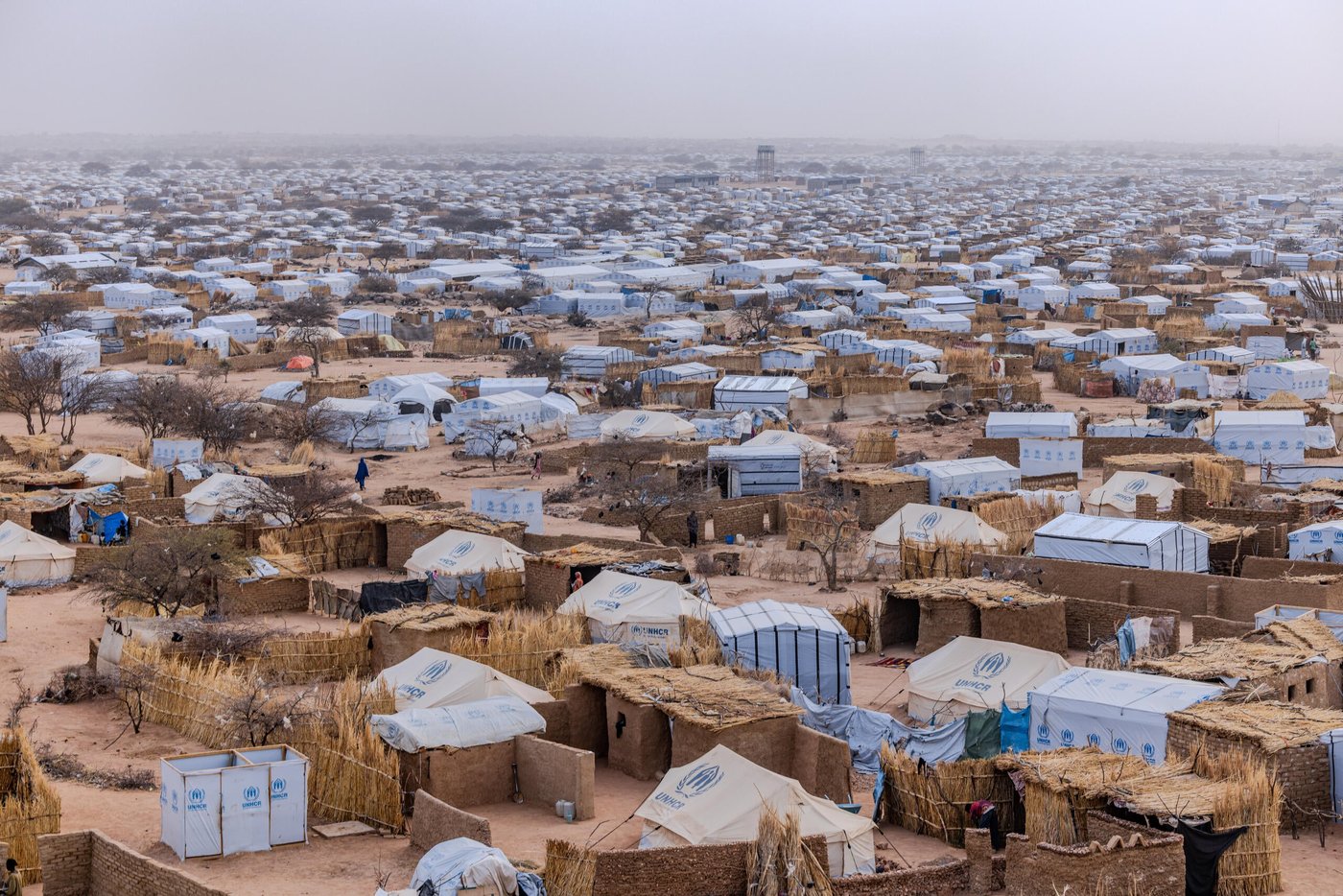
Your complete guide to migration and forced displacement
This article was first published more than 8 years ago
Migration, migrants and immigrants
Migration refers to the movement of individuals or groups of people. It is commonly used to refer to movement both within countries and across borders.
A migrant is any person who moves, usually across an international border. They may be moving to join family members already abroad, to search for a livelihood, escape a climate disaster, or for a range of other reasons.
Migration is not a new phenomenon: people have always migrated.
The number of migrants crossing international borders has stayed at a relatively stable percentage of the earth's population over the past 60 years. In 2024, 3.7 per cent of the world's population were migrants, in 1960, it was 3.1 per cent.
However, we have seen a shifting trend in recent years. The number of international migrants reached 304 million in 2024, an increase of 154 million since 2000, according to the UN.
An immigrant is a person residing in one country who was born in another country. Sometimes, the term is also used about people born in a country to parents who are immigrants, though this is not a correct usage of the term.

Refugees and asylum seekers
Refugees are fundamentally different from migrants. They have been forced to flee across international borders to save their lives or preserve their freedom. They have a well-founded fear of persecution for reasons of race, religion, nationality, political opinion or membership of a particular social group. In most cases, they cannot return home or are afraid to do so. War and ethnic, tribal and religious violence are leading causes of refugees fleeing their countries.
Some refugees are resettled in a new country as part of an agreement with the UN refugee agency (UNHCR). It is up to each individual country to decide how many quota refugees they want to take each year.
An asylum seeker is someone who arrives in another country on their own, usually applying for asylum on arrival or shortly thereafter. The right to seek asylum is set out in Article 14 of the Universal Declaration of Human Rights, which states that “Everyone has the right to seek and to enjoy in other countries asylum from persecution”. The person is referred to as an asylum seeker until the government has processed their application.
You may have also encountered the term “internally displaced people”. Sometimes referred to as IDPs, they are people who have been forced to flee their homes due to armed conflict, human rights violations or disasters. They have not crossed international borders and are displaced within their country of origin.
How many people have been forced to flee today?
In total, 117.8 million people were displaced by conflict, violence or persecution at the end of 2025. Of these, 50.6 million were refugees, while 68.7 million were internally displaced. This is the second highest figure ever recorded.
Sign up to our newsletter to read more stories from around the world.
