
NORCAP peacekeeping experts warns that major cuts to UN peacekeeping operations means less capacity to protect civilians in some of the world’s most conflict-affected areas.
Less presence, less protection: the cost of UN peacekeeping cuts
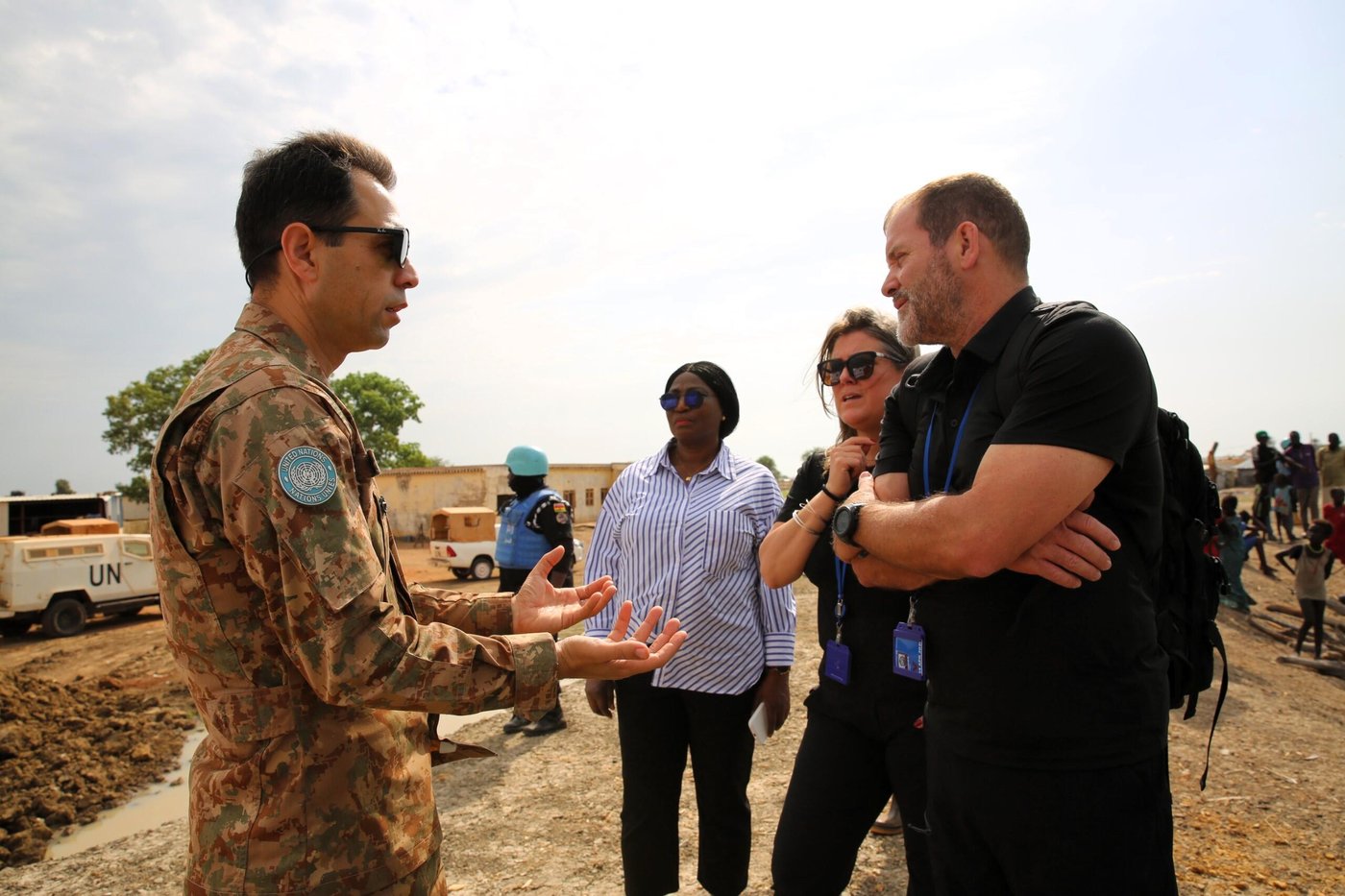
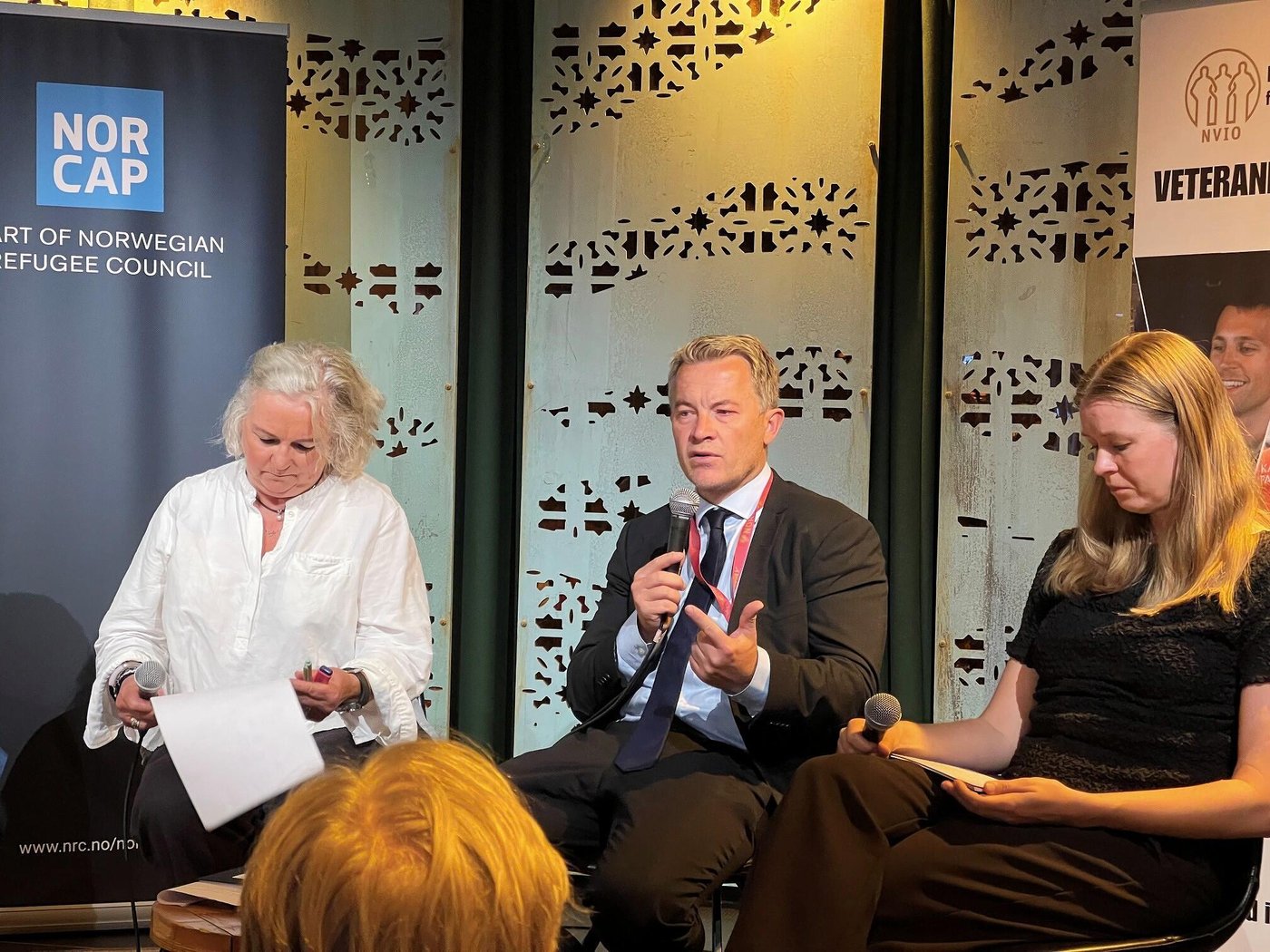
At a recent discussion in Oslo with Norwegian Deputy Foreign Minister, Andreas Motzfeldt Kravik about UN peacekeeping forces, NORCAP experts Lotte Vermeij and Roger Hughes presented some of the findings of their latest report. As part of their NORCAP assignments, they are conducting fieldwork to investigate how budget cuts to UN peacekeeping operations are affecting efforts to protect civilians in conflict zones.
Lotte and Roger’s work is part of NORCAP’s support to UN peacekeeping operations, particularly to strengthen the UN’s efforts to protect civilians, including preventing and protecting against conflict-related sexual violence, and preventing climate change from exacerbating conflict in the countries where the UN operates.
However, what do the cuts mean for the people living in the areas the UN is supposed to protect?
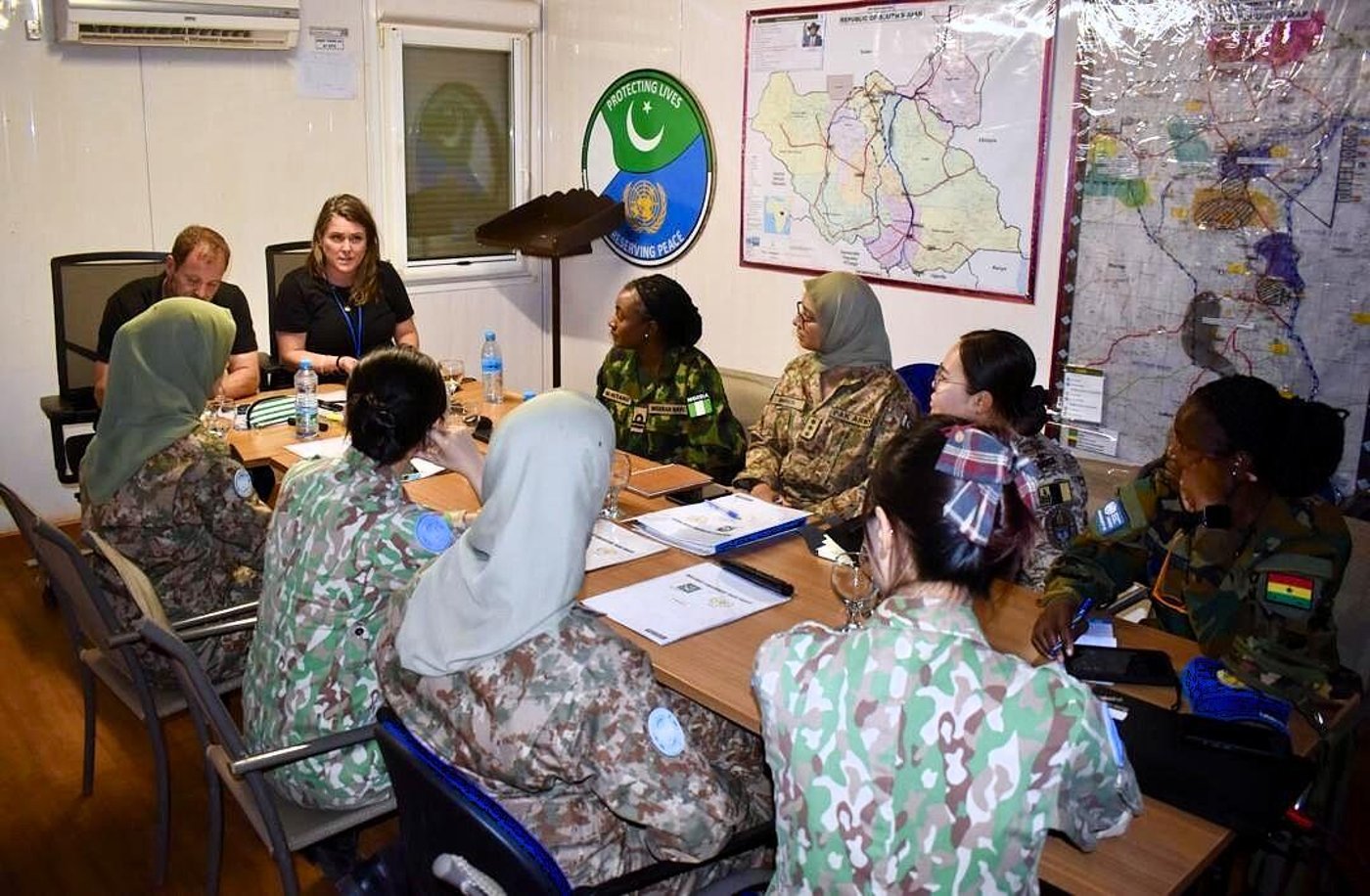
Lotte and Roger have been examining this closely over the past few months. Through field visits and conversations with over 400 colleagues in and around UN operations, they have investigated how the cuts are affecting efforts to promote peace, security, and the protection of civilians.
They have gathered insights from South Sudan (UNMISS), the Central African Republic (MINUSCA), Abyei—the area between Sudan and South Sudan—and the Democratic Republic of the Congo (MONUSCO).
“A lot is changing on the ground,” Lotte Vermeij says.
UN cuts are a security policy challenge
UN peacekeeping operations are one of the tools the international community uses to promote peace and security in conflict zones.
The first UN peacekeeping operation was established in 1948. Since then, more than two million people from over 120 countries have served in UN operations. The UN does not have its own army or police force. Member states provide soldiers and police officers, who serve under UN command. Member states also finance the operations. The UN General Assembly adopts the budgets, and countries are obligated to pay their share.
Today, the UN has 11 active peacekeeping operations. The operations consist of military personnel, police, and civilian staff. Their tasks vary but may include protecting civilians, monitoring ceasefires, supporting local authorities and police, facilitating humanitarian access, and supporting political processes. It is within this system that our experts have examined what happens when the UN has been forced to make drastic cuts.
Andreas Kravik, Deputy Foreign Minister at the Norwegian Ministry of Foreign Affairs, believes this development must be viewed as a security policy challenge. If the UN withdraws from vulnerable areas, it could create more room for instability, extremism, and new conflicts. It could also have consequences for people who are forced to flee.
“This is not a trivial issue. If the UN withdraws and the areas become more vulnerable, that’s hard-nosed security policy,” said Kravik.
Reduced presence
In South Sudan, the consequences are already evident. Out of 28 UN bases, ten have been closed. This means fewer patrols, less monitoring, and less contact with local communities. When the UN is no longer physically present, it becomes more difficult to monitor developments and respond when the security situation changes. This hinders efforts to protect civilians.
“When you are no longer present, you also lose the ability to closely monitor developments,” says Lotte.
In addition to fewer people on the ground, reduced air and transportation capacity makes it harder for staff to reach the local communities they are supposed to monitor. When the UN closes bases, it can also become more difficult for humanitarian organizations to gain access. The UN’s presence can be crucial both for security and for ensuring that emergency aid reaches people in conflict zones.
Major operational implications
Roger Hughes has military experience from UN operations and a background as a police officer in the United Kingdom. Lotte Vermeij has a civilian background from several peacekeeping operations. Their diverse backgrounds are useful when examining how these operations function in practice. A peacekeeping operation consists of military, police, and civilian personnel. To understand the consequences of the budget cuts, one must also examine how these components are interconnected.
They have spoken with people at various levels—from leadership to personnel working directly with local communities.
The experts found that their role with NORCAP, combined with their professional backgrounds and field experience, gave them access to people and information that might otherwise be difficult to obtain.
“The reality of how the cuts are affecting people is much more dramatic than what people in New York realise,” says Lotte.
‘Do more with less’
Budget cuts of 20–40 percent could lead to a much greater reduction in on-the-ground capacity. Based on interviews with the peacekeeping missions, NORCAP experts estimate that cuts in the operational capacity could reach as high as 50 to 70 percent.
“The operations take place in areas with increased unrest and violence. In reality, we’re being asked to do more with less. That’s not possible,” says Lotte.
Decisions about which areas to protect have become more difficult. The cuts often hit women and children in conflict zones particularly hard, especially since the majority of UN personnel affected by the cuts are women, whose presence is essential for building trust and gaining access in local communities.
It’s not just about how much money is being cut from the budgets. The cuts come at a time when the UN is facing a more challenging political landscape. Member states have less money available, trust between countries is lower, and the UN Security Council is finding it harder to agree on realistic mandates.
The experts are trying to determine how the operations can learn more from one another, how resources can be used more effectively, what expertise is most important, and how member states can contribute—with funding, personnel, and political support.
Knut Sverre, thematic lead for UN reform and peace operations at NORCAP, summed it up this way during the discussion:
“Budget cuts don’t just trim the fat; they lead to a reduced presence and less protection on the ground.”
This October, the delegation will travel to New York, where the NORCAPs experts will share their field experiences with UN leadership and UN member states and contribute to the discussion on the future of UN peacekeeping operations.
