

As the world rings in a new year, the need to address ongoing and long-lasting humanitarian crises remains urgent. In 2026, several regions will face challenges that will demand global attention.
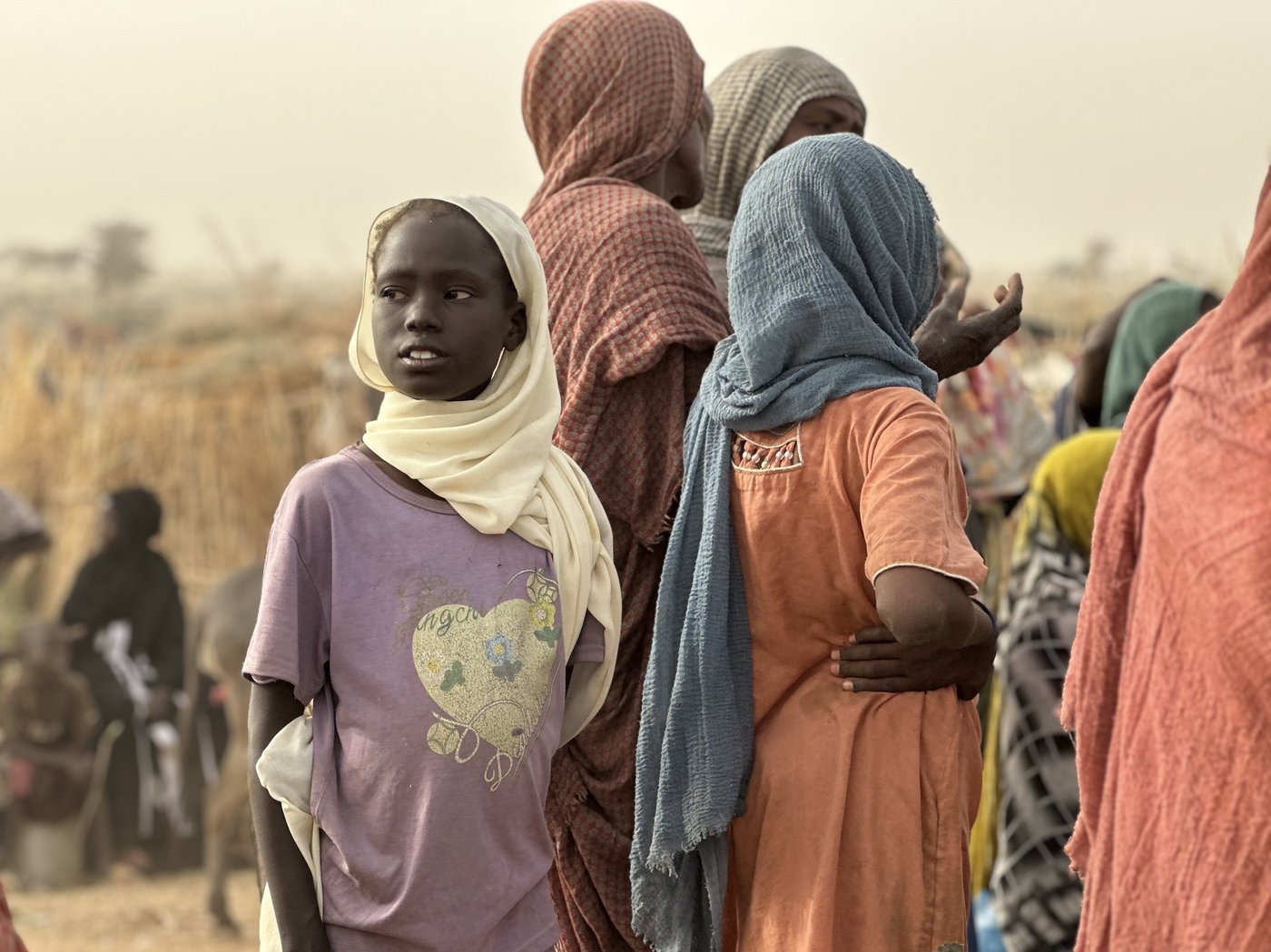
5 crises to watch out for in 2026
Keep reading to learn more about five key humanitarian crises to watch in the year ahead.
***
Occupied Palestinian territory
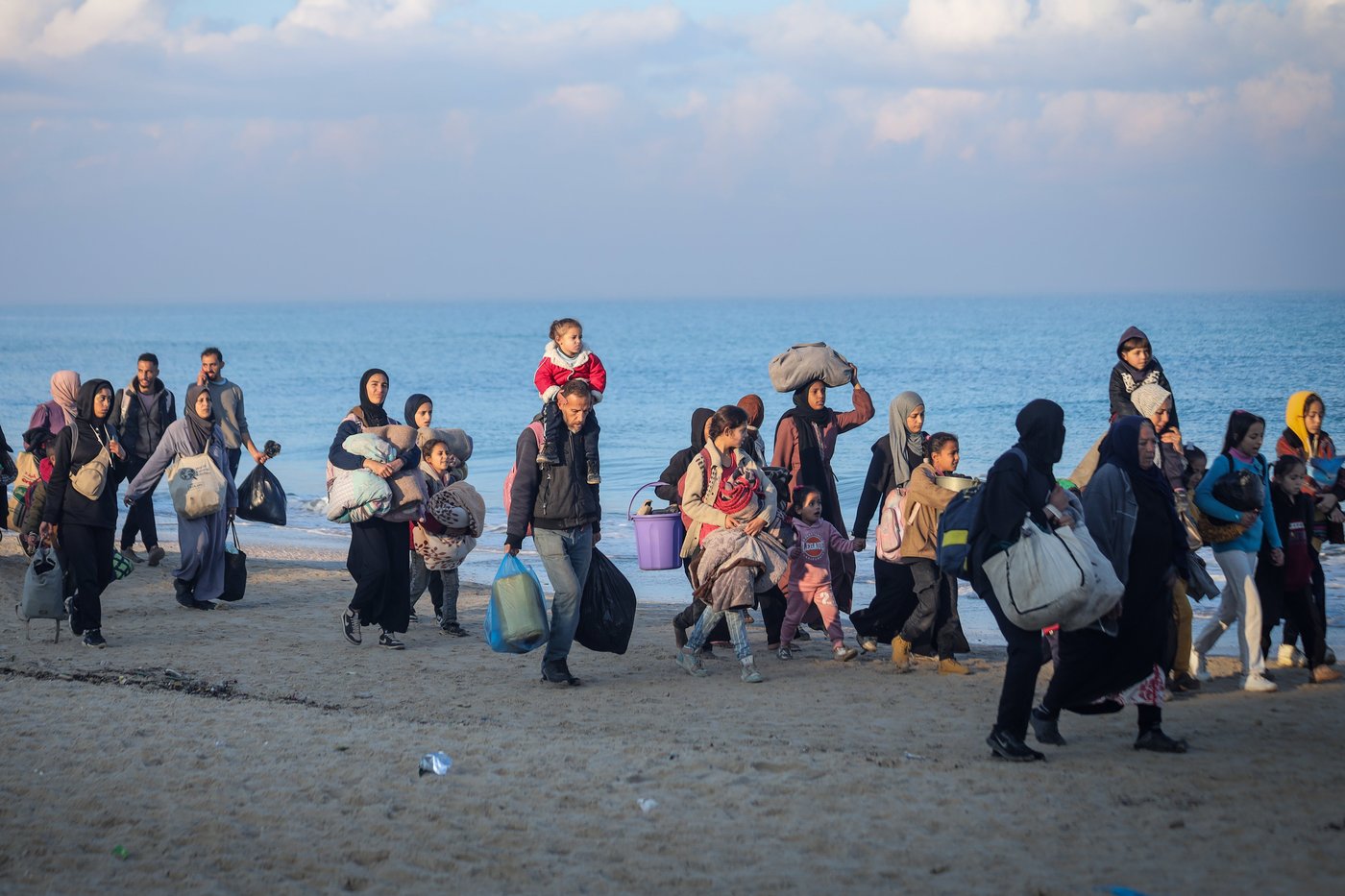
A fragile ceasefire came into effect in Gaza in October, yet civilians remain in urgent need of food, medicine, shelter, clean water and other essential items and services.
More than 70,000 Palestinians have been killed and 170,000 injured over two years of hostilities, and the death toll continues to rise. 1.9 million people – around 90 per cent of the population – have been forcibly displaced, often multiple times. Ongoing restrictions by Israeli authorities continue to worsen the humanitarian crisis.
In the West Bank, including East Jerusalem, the largest displacement crisis since 1967 is underway. More than 35,000 Palestinians have been displaced by Israeli military operations, settler violence, and demolitions.
Read our latest stories from Palestine →
***
Sudan
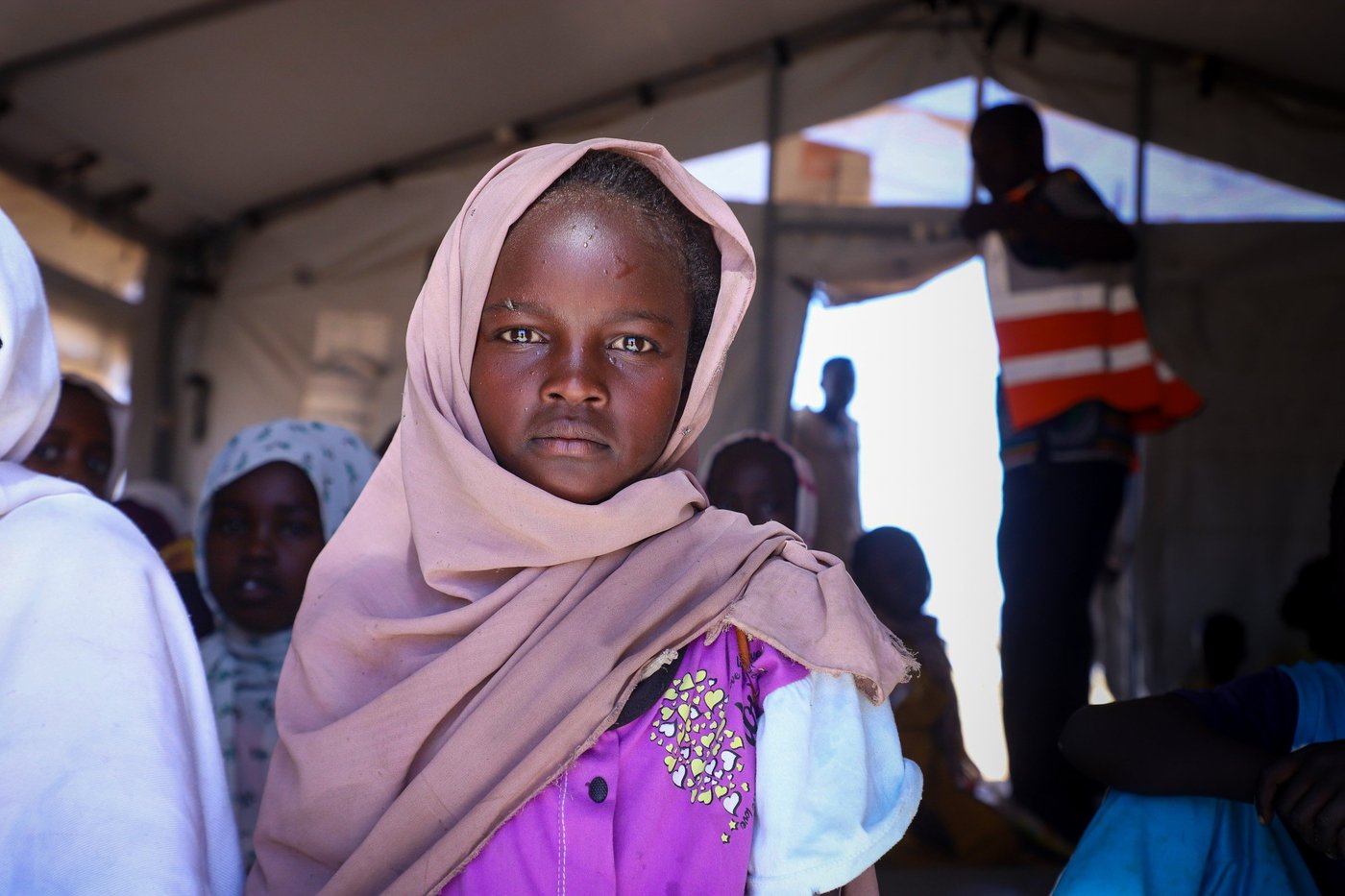
The people of Sudan have suffered over 1,000 days of war. Parts of the country face confirmed famine, while millions more struggle with extreme hunger.
Civilians trying to escape the violence have been looted, raped, extorted or executed, often targeted along ethnic lines.
Across the country, more than 14 million people have been displaced as homes, markets, hospitals and schools continue to be destroyed. Humanitarian access is becoming ever more challenging, leaving millions to face starvation, disease, and escalating protection risks.
Read our latest stories from Sudan →
***
Democratic Republic of the Congo
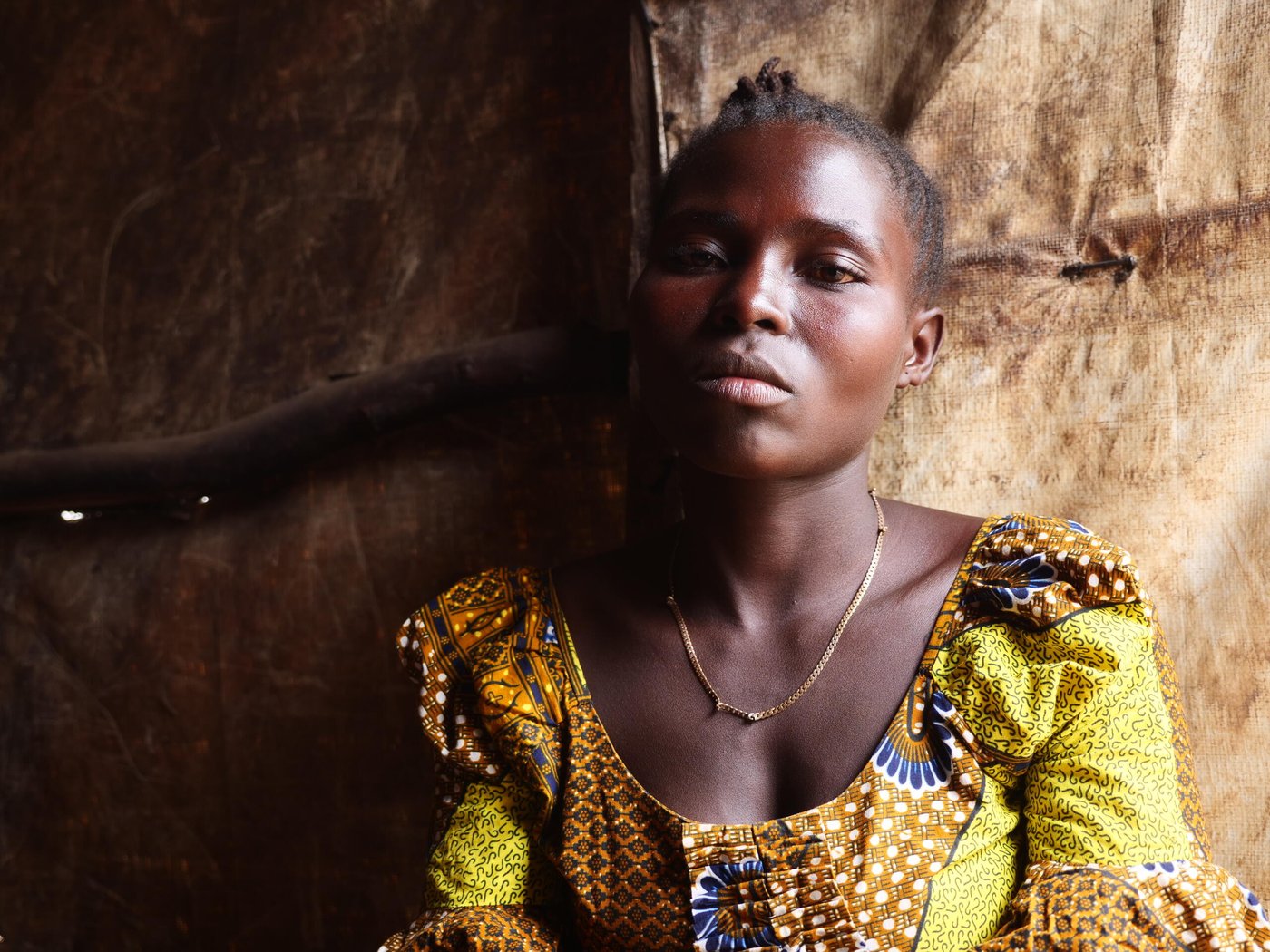
The Democratic Republic of the Congo enters 2026 facing one of the largest yet most overlooked humanitarian crises in the world, with 5.7 million people forced to flee their homes. In eastern DR Congo, renewed fighting continues to drive displacement, and uprooted families have limited access to food, shelter and protection.
Despite the scale and duration of the crisis, international attention and funding remain alarmingly low. As needs continue to rise and resources shrink, millions of people risk being left without support in 2026. This is a crisis the world can no longer afford to ignore.
Read our latest stories from DR Congo →
***
Afghanistan
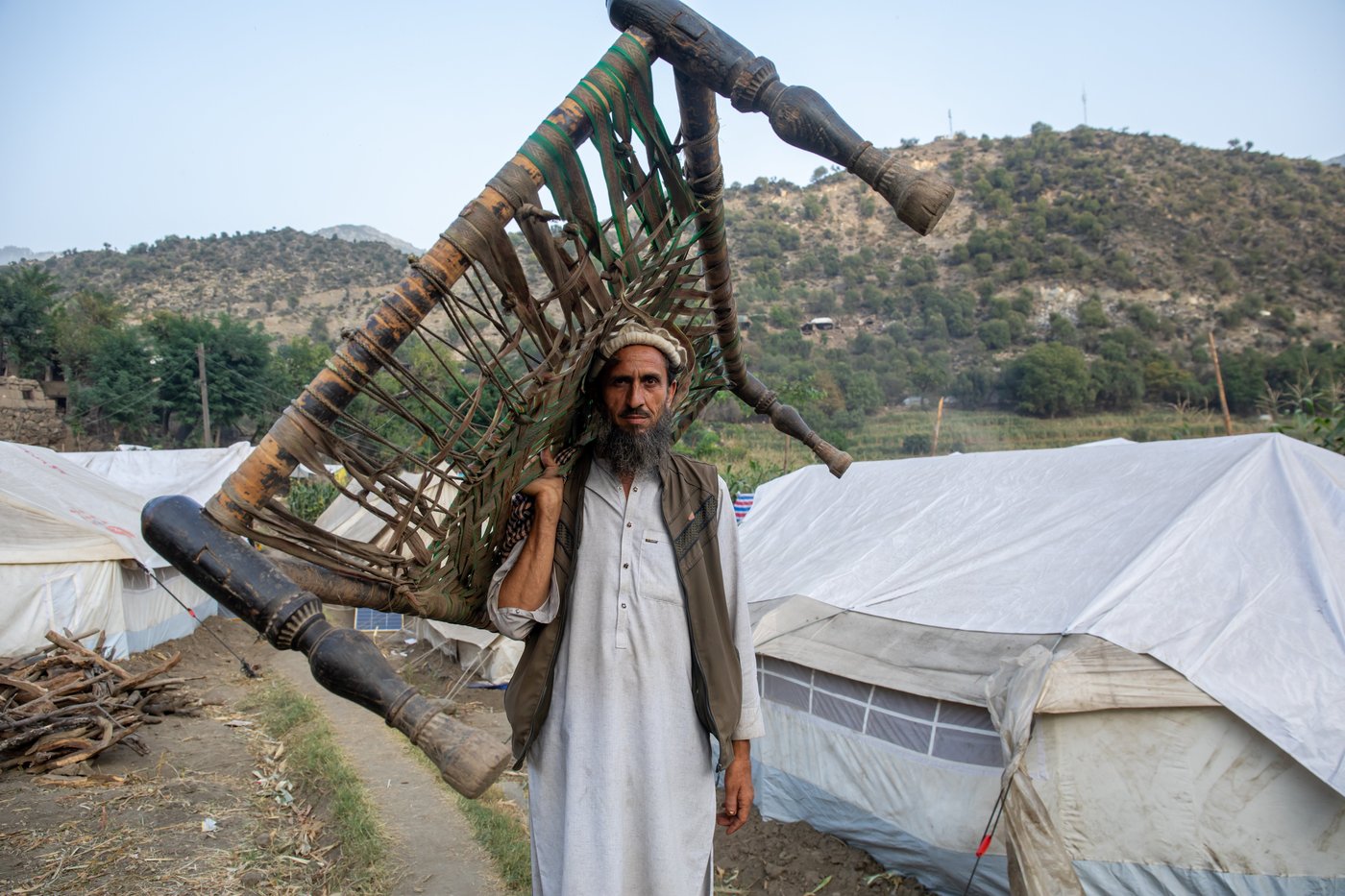
After decades of conflict, and four years on from the Taliban takeover, the people of Afghanistan continue to face mounting challenges. From economic hardship and increased deportations from Iran and Pakistan, through to the impacts of climate change and earthquakes, as well as restrictions to the rights of women and girls, the needs on the ground continue to grow.
Despite this, funding and attention from the international community have shrunk dramatically, leaving many Afghans without access to the most basic services and assistance.
Read our latest stories from Afghanistan →
***
Funding cuts
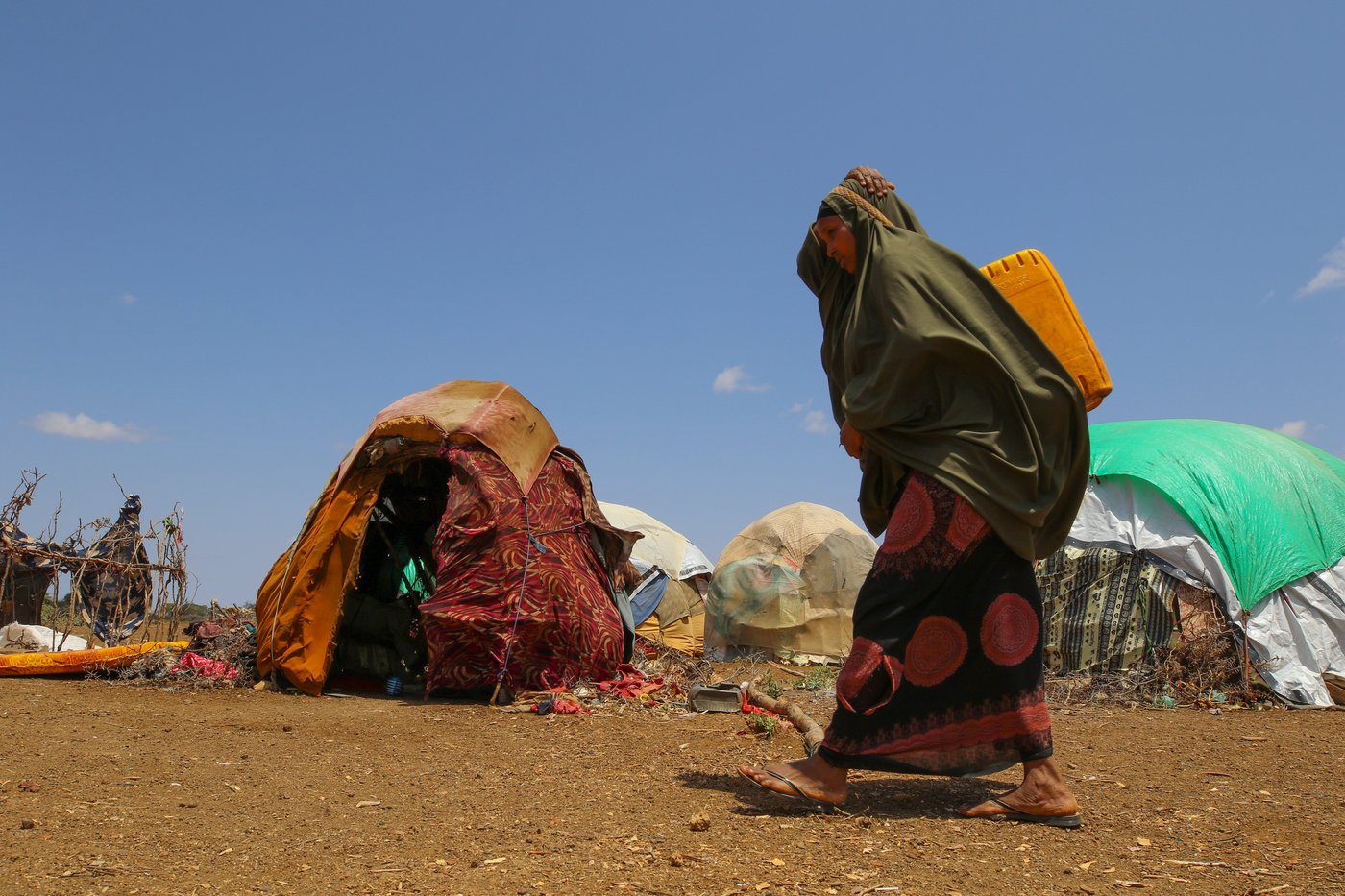
In 2026, some 239 million people will need humanitarian assistance. But it's likely that less than half of those people will get the help they need due to international funding cuts. The United States and several European donors have cut their foreign aid budgets, causing a crisis that will harm the most vulnerable.
With a record number of people displaced around the world, we need to see donors do more, and not less. Who will act?
Sign up to our newsletter to read more stories from around the world.