The year 2021
Glimmers of hope
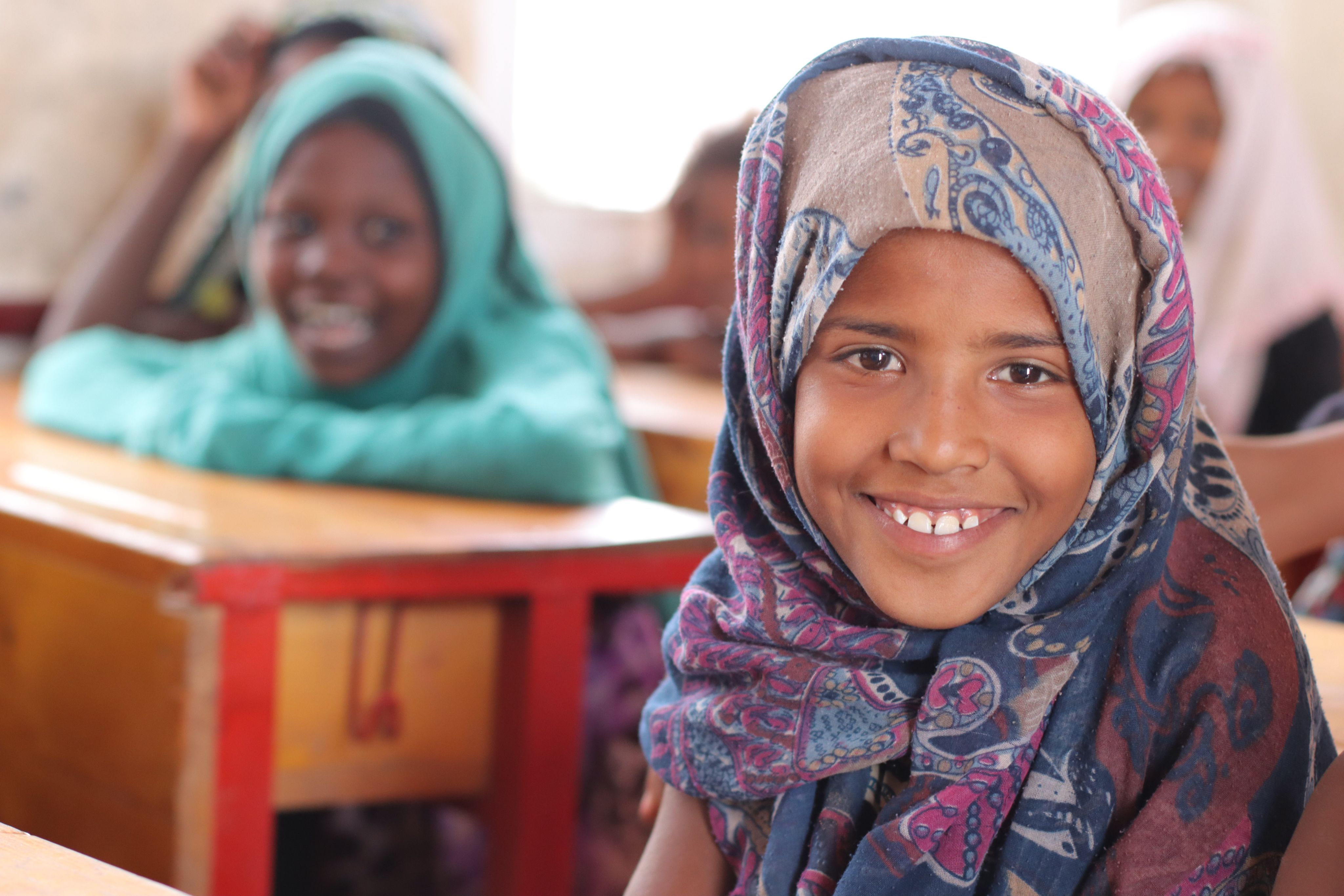



2021 has been a year of suffering and distress for millions of refugees and displaced people around the world. But there have also been many moments of hope and joy.
The number of people forced to flee has passed 80 million, and Covid-19 has become a protection and livelihoods crisis as well as a global public health emergency.
For us at the Norwegian Refugee Council (NRC), job number one has been to “stay and deliver”. Despite restrictions, lockdown and fear, we have been able to give life-saving aid and hope for the future to displaced people in more than 30 countries.
Aklilu:
“We are trying to make this camp comfortable both for the youth and for the community.”

SUDAN
“The biggest gift is having my friends around me.”
Young refugees have organised themselves to make life easier both for themselves and others in the Um Rakuba refugee camp.
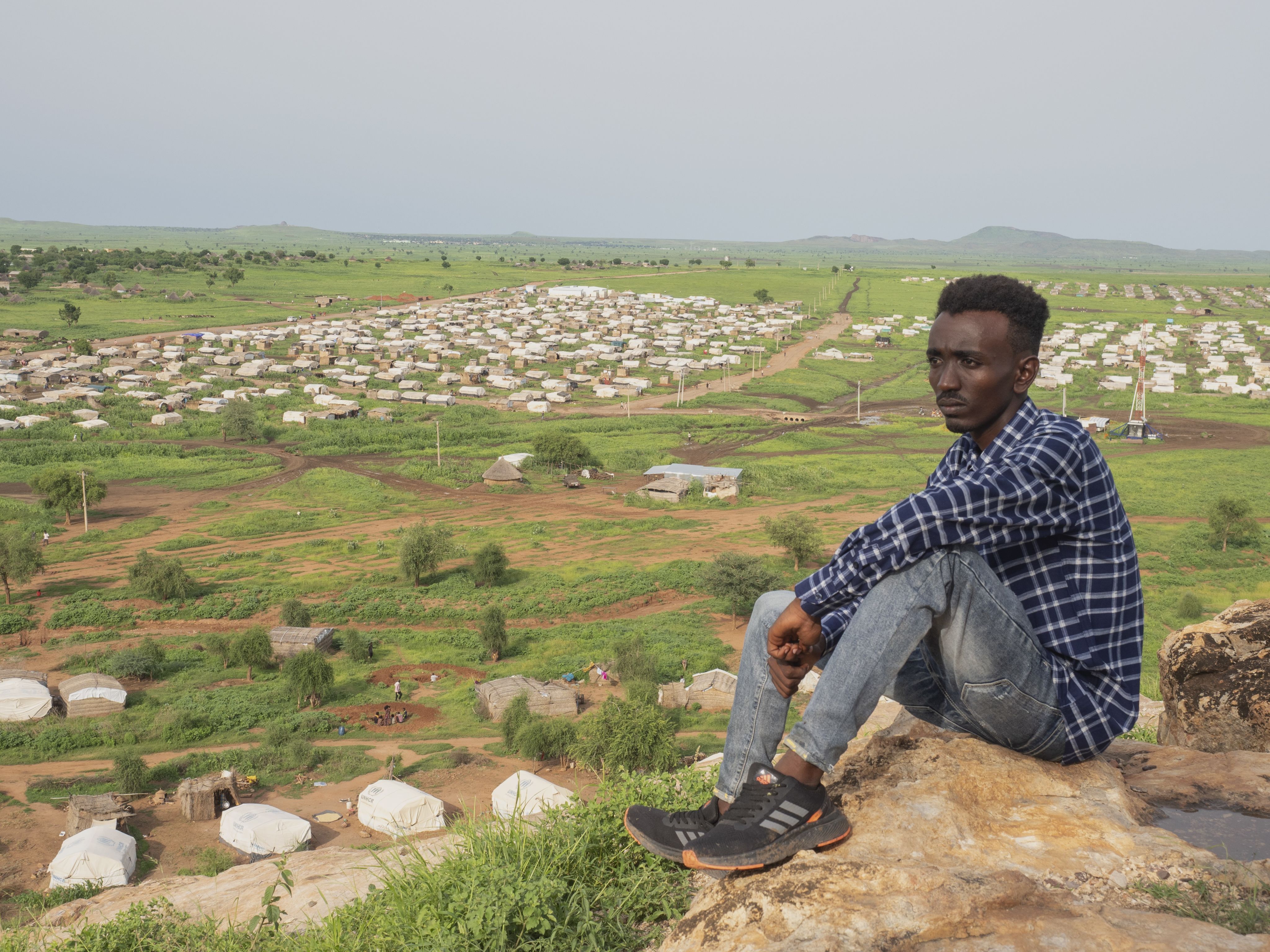
Aklilu, with Um Rakuba refugee camp in the background. Photo: Ingrid Prestetun/NRC
One moment, Aklilu was a high-flying engineering student with a bright future ahead of him. The next, he was a refugee living in a makeshift tent. But Aklilu refuses to give up. In the camp where he now lives, he has formed a youth association with a group of fellow students. Together, they are determined to make life better for their community.
“The thing that makes me optimistic is that I have friends here, and I’m discussing with them about what to do for the future.”
As well as working towards their education, the students are acting as community mobilisers, along with other young people in the camp.
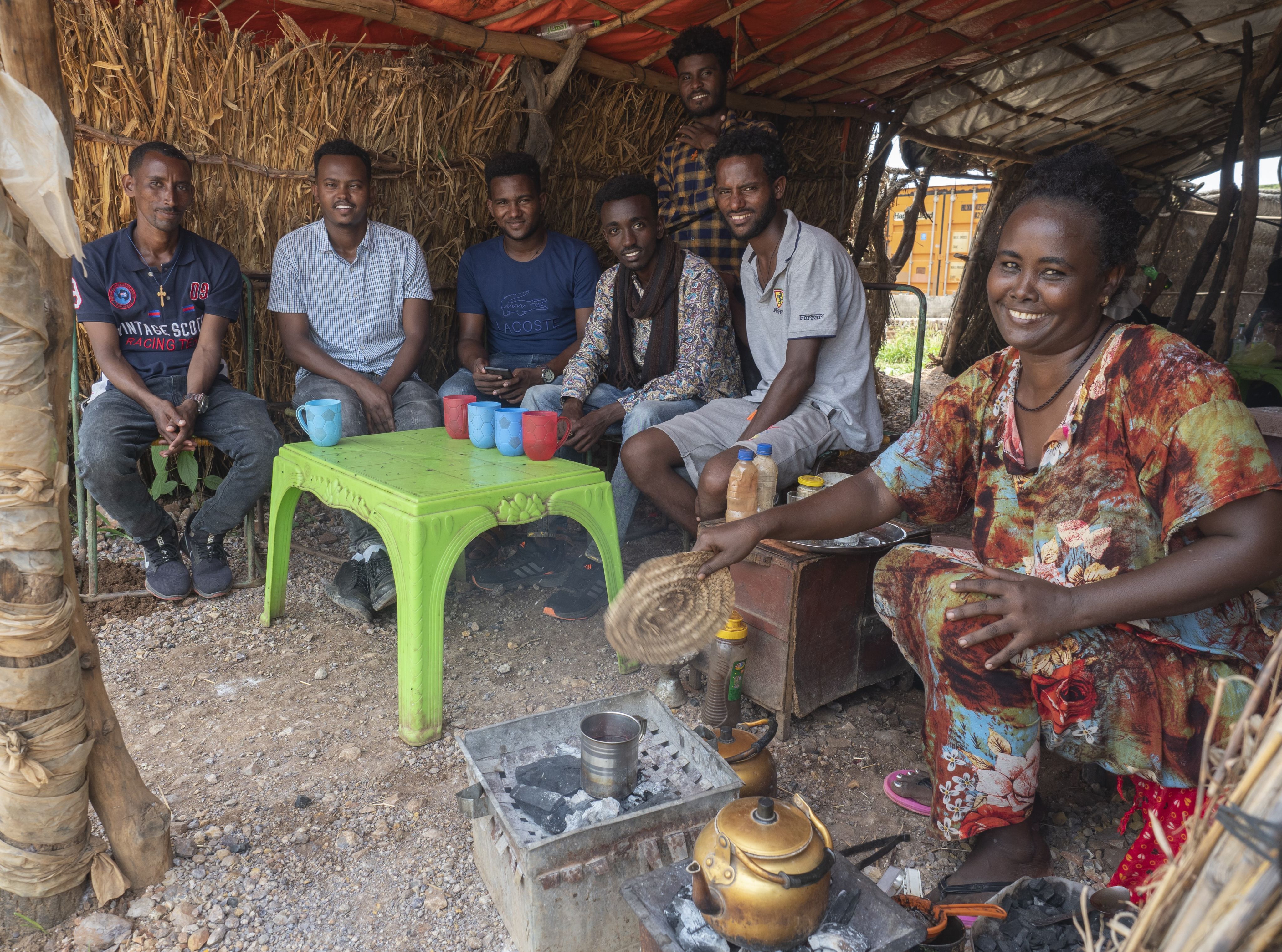
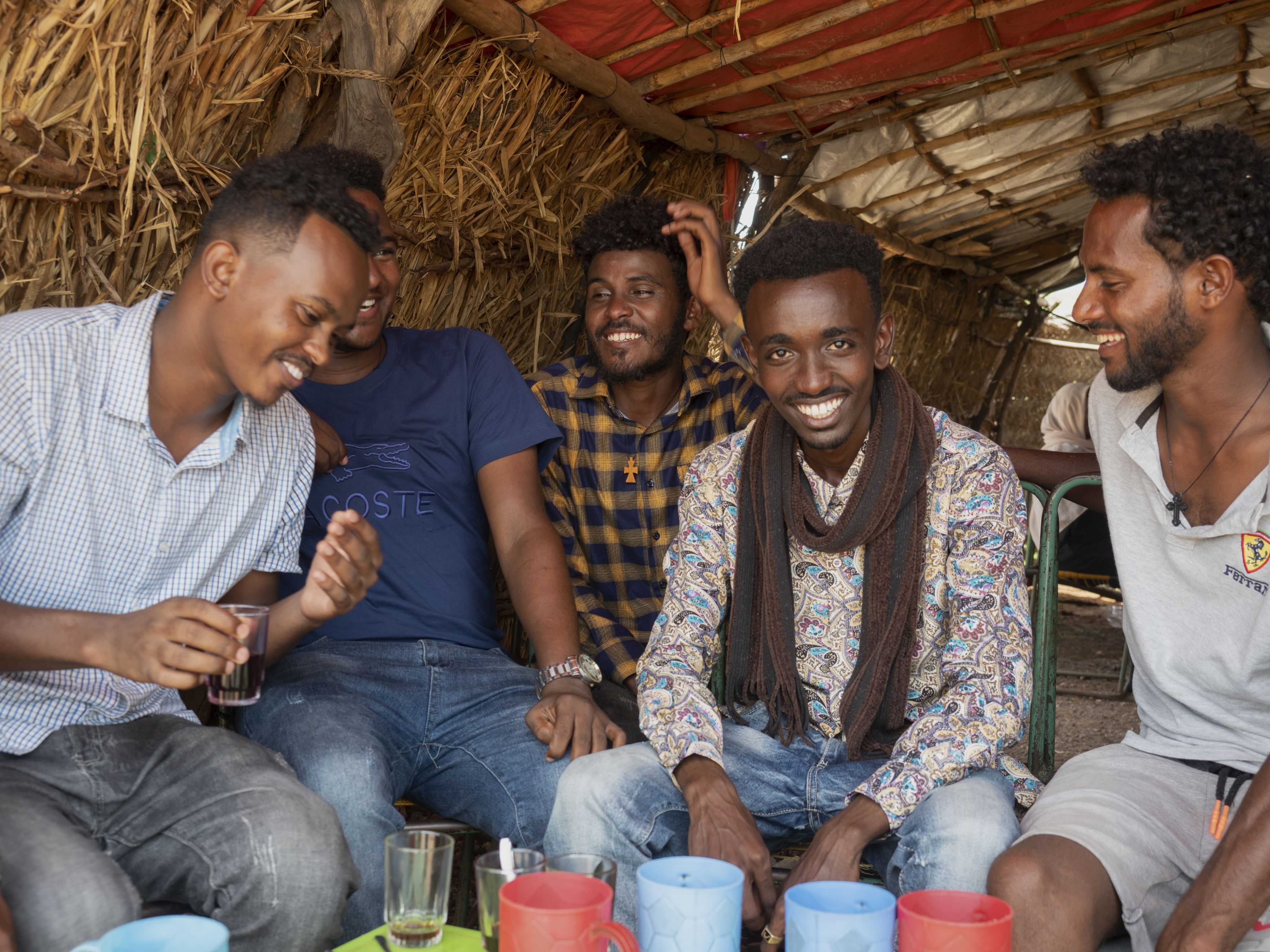
Aklilu and his friends at a café in Um Rakuba refugee camp. Photo: Ingrid Prestetun/NRC
“The community needs so many things here in the camp, and we can contribute something for them,” says Aklilu. “We are planning how to make this camp comfortable both for the youth and for the community. That’s what we are doing as an association and as a group. Because to be together is very important.”
Every Friday morning, members of the association gather in a communal tent for their weekly meeting. They have organised themselves into committees and are planning their week ahead.

Aklilu, with Um Rakuba refugee camp in the background. Photo: Ingrid Prestetun/NRC
Aklilu, with Um Rakuba refugee camp in the background. Photo: Ingrid Prestetun/NRC

Aklilu and his friends at a café in Um Rakuba refugee camp. Photo: Ingrid Prestetun/NRC
Aklilu and his friends at a café in Um Rakuba refugee camp. Photo: Ingrid Prestetun/NRC
Ala:
“I believe I have a bright future.”

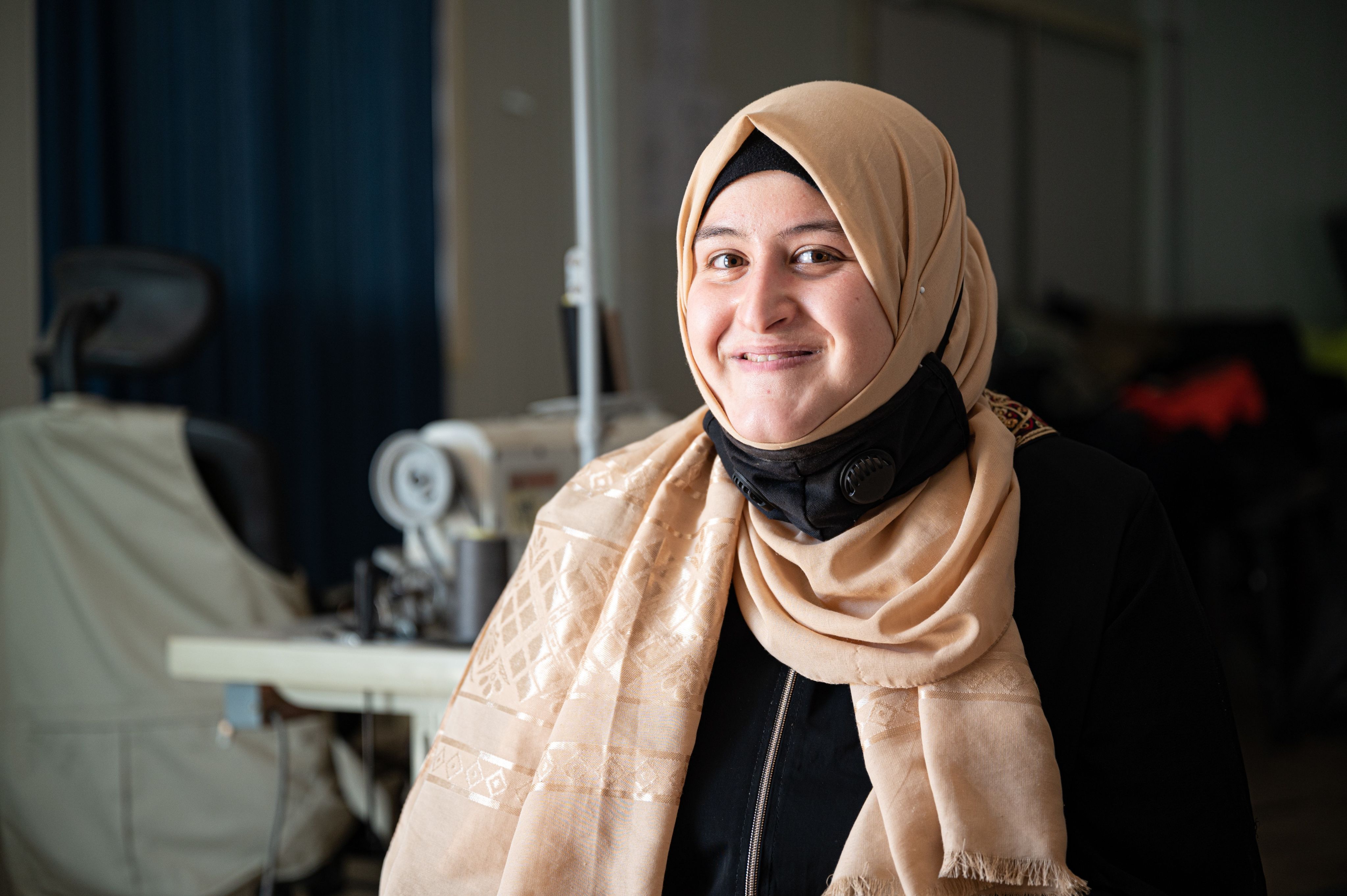

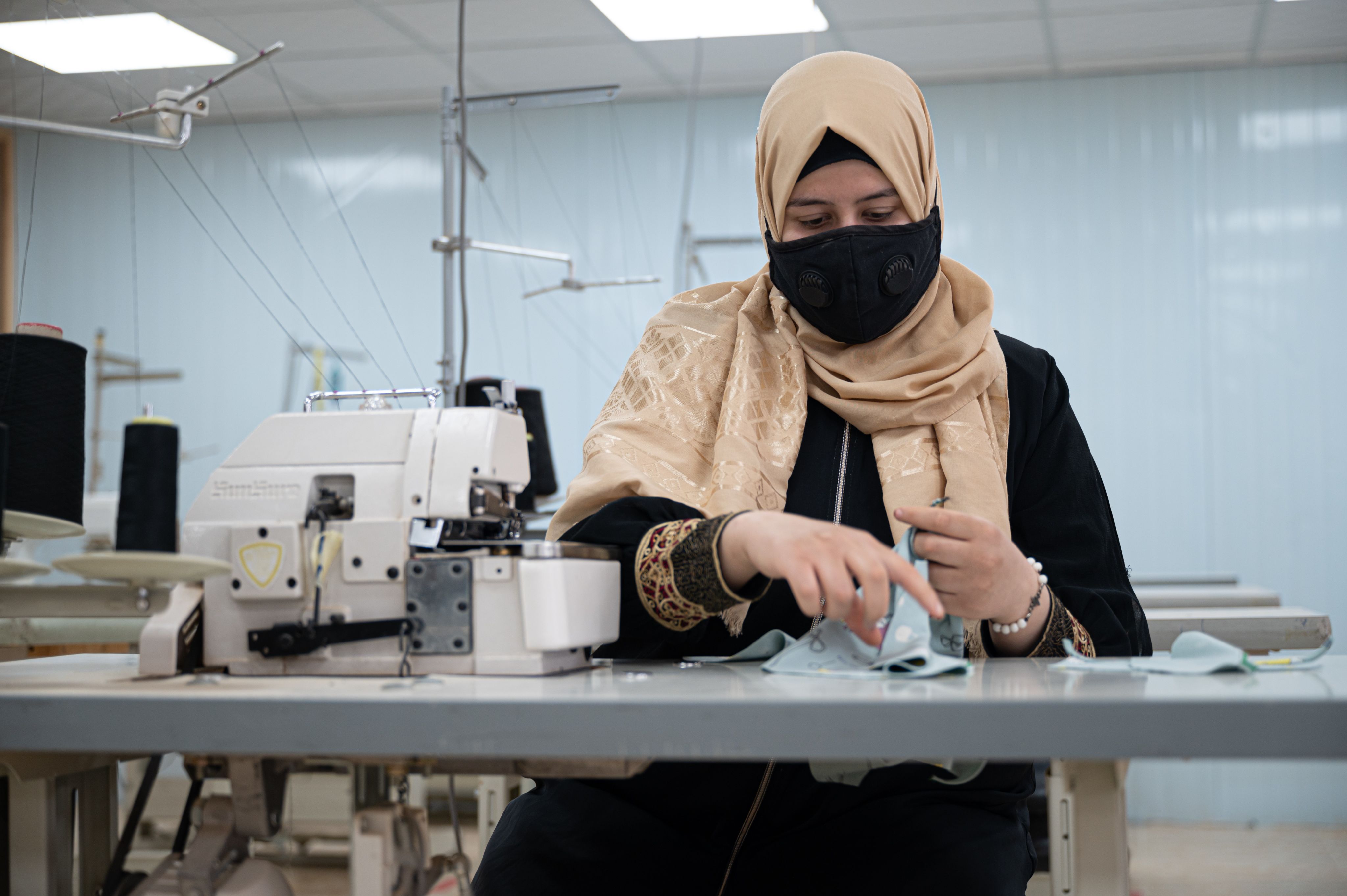
Ala sewing baby clothes. Photo: Daniel Wheeler/NRC
Ala sewing baby clothes. Photo: Daniel Wheeler/NRC
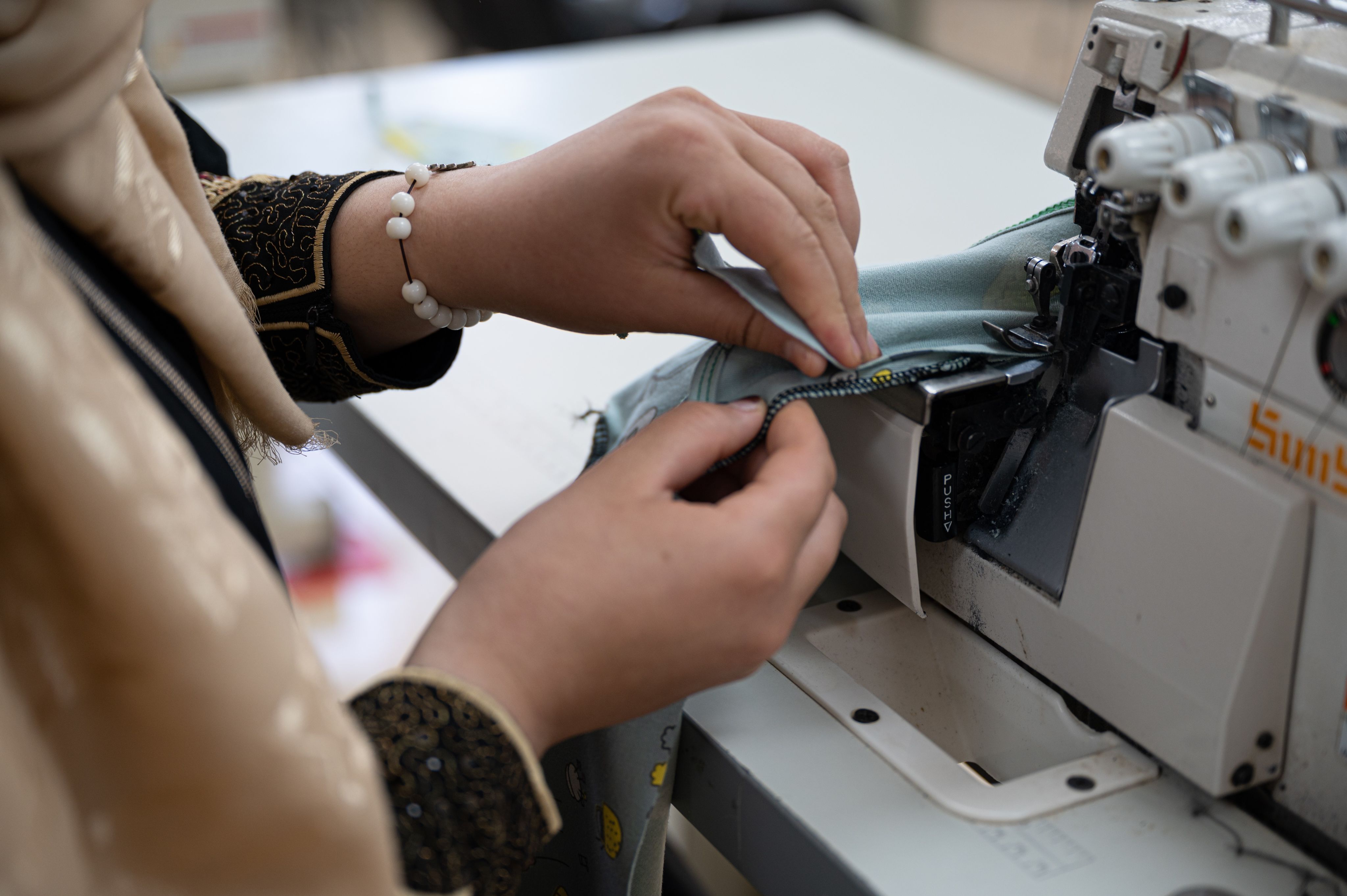
Ala was just 13 years old when she had to flee her home in Syria. Photo: Daniel Wheeler/NRC
Ala was just 13 years old when she had to flee her home in Syria. Photo: Daniel Wheeler/NRC
JORDAN
Ala’s fierce determination
The opportunities for young people living in refugee camps are limited. This in turn can lead to despair. But Ala, 22, is proof that with strength, independence and the right support, the future can be bright.
Ala sewing baby clothes. Photo: Daniel Wheeler/NRC
It’s summer. Early each morning, Ala gets up and treks across Zaatari refugee camp in Jordan for an hour in the desert heat. She walks through what has become a large, sprawling urban settlement that some 76,000 Syrian refugees now call home. She arrives at work at 8.30 am. The long walk is worth it.
“This opportunity that NRC has given me has provided me with financial independence and a chance of achieving success in my life.”
For Ala, her opportunity came in the form of a sewing course.
“I found out about NRC’s youth programme after doing a four-month sewing scholarship with a different organisation,” says Ala. “I became very passionate about sewing so I wanted to continue my training.”
Young people who are displaced struggle more than others to get an education. Only three per cent of the world’s refugees go to university or take higher education.
Ala was just 13 years old when she had to flee her home in Syria. Photo: Daniel Wheeler/NRC
For humanitarian organisations like NRC, it’s vital to invest in education and opportunities for displaced young people. Without these, young people can lose their sense of worth and hope for the future.
Melat:
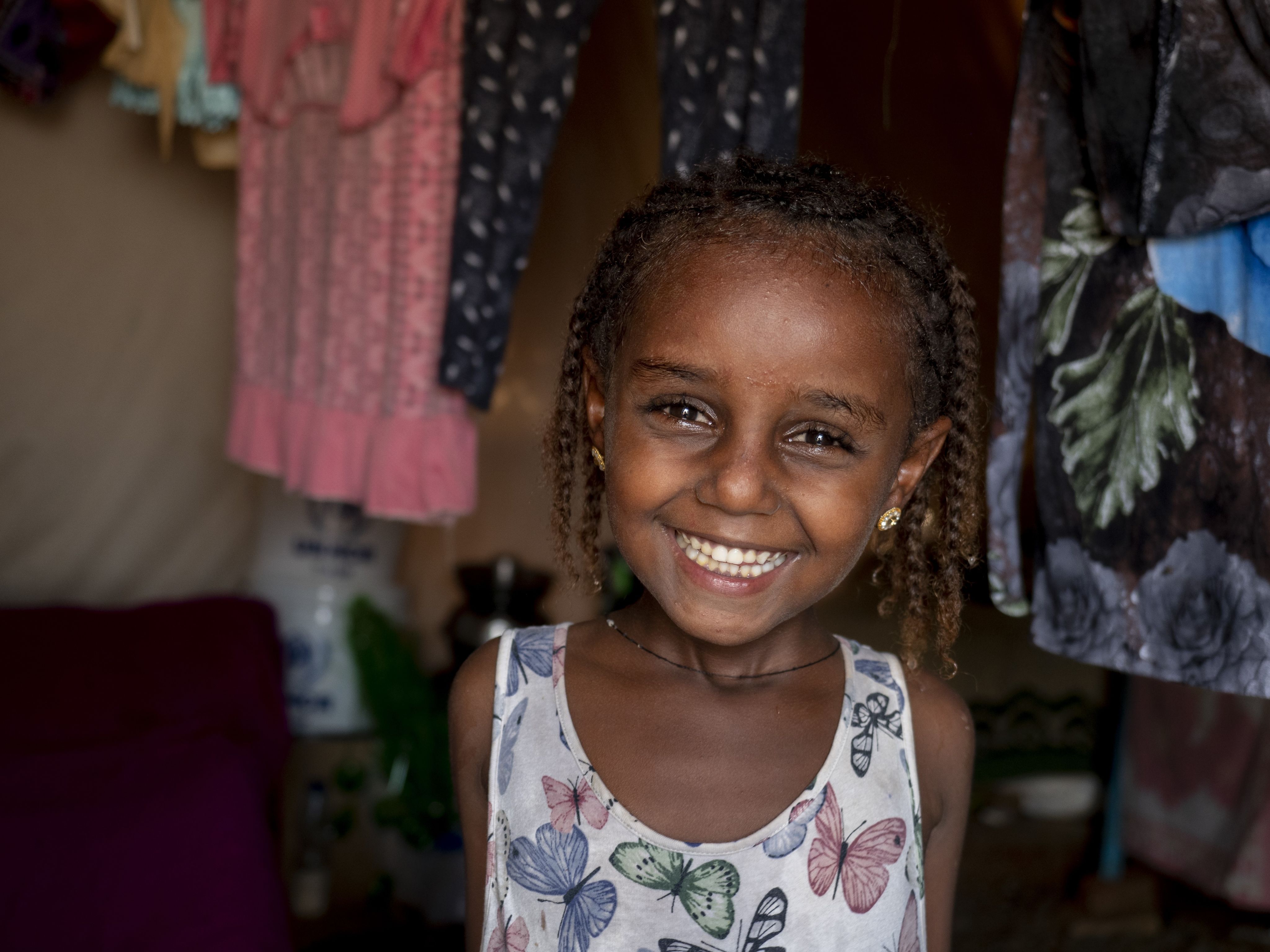
"When the sound of the bombs reached our village, I was scared. I was afraid of being kidnapped.”

SUDAN
Melat is smiling again
When five-year-old Melat and her family arrived at Um Rakuba refugee camp a year ago, they had nothing. But thanks to our generous donors, NRC has built the family a new temporary home, and Melat is back in school.
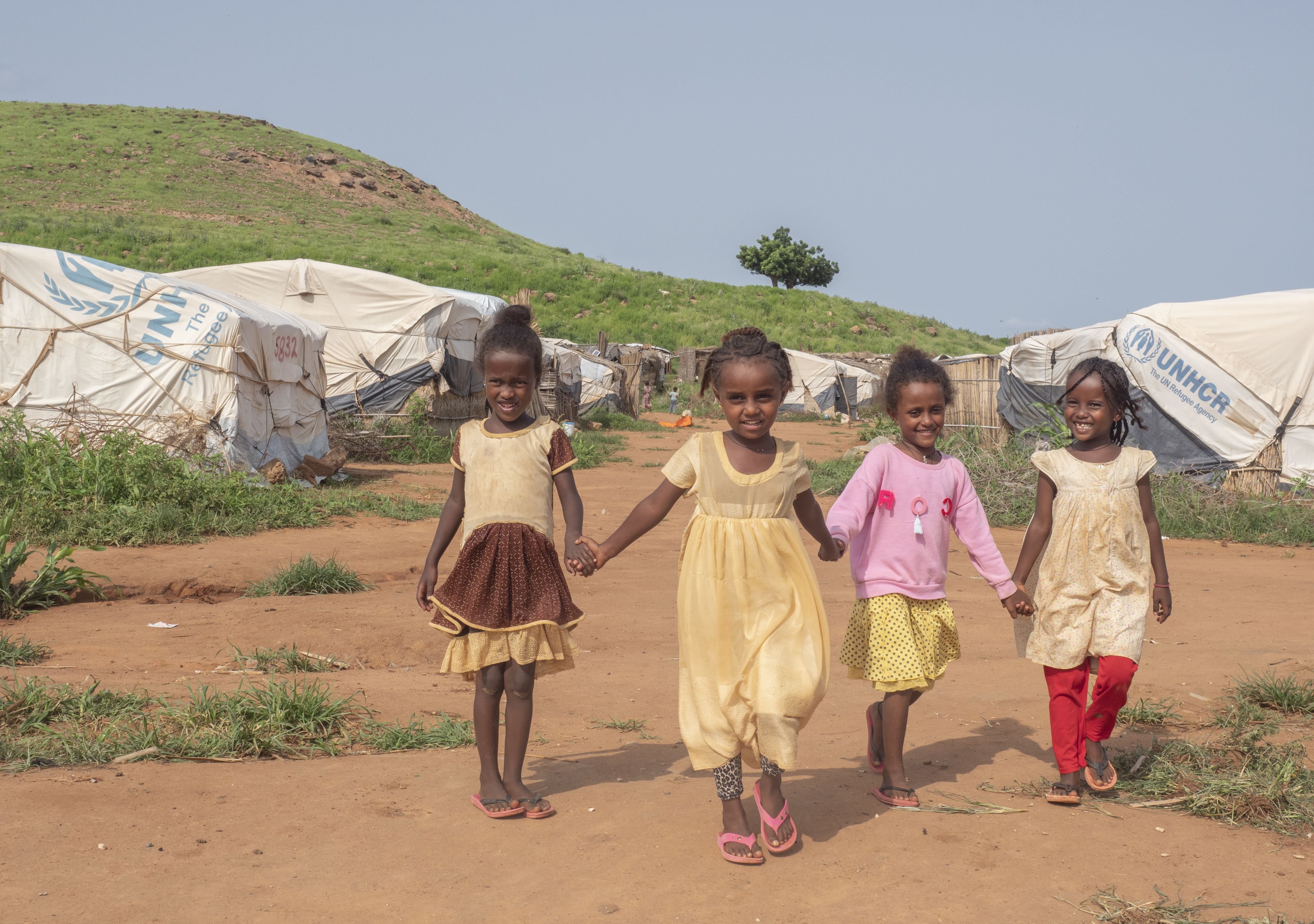
Melat is back in school and has made new friends. Photo: Ingrid Prestetun/NRC
However, the violence of war has left a deep impression on her young mind. And she misses her home, her friends and her old school. “I wish I could go home, but I’m afraid of the war,” she says.
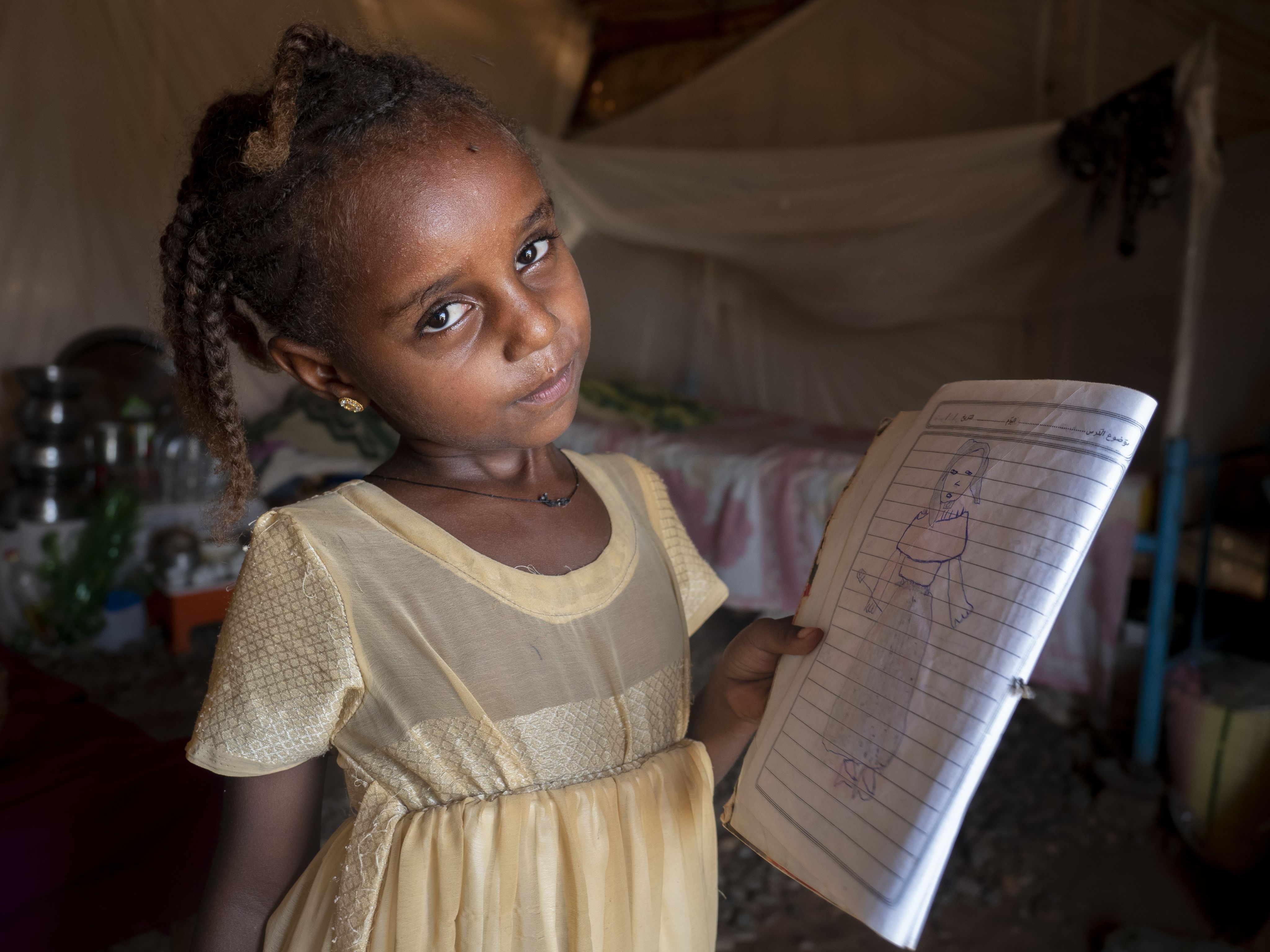
Going to school gives Melat a sense of security and makes life feel more normal. Photo: Ingrid Prestetun/NRC
Building a school
NRC’s Secretary General Jan Egeland visited the refugee camp where Melat lives in December last year.
“New refugees were arriving at the camp every day, and they were in extreme need,” he says.
“Luckily, we were ready to help. In record time, we distributed money so that people could buy the things they needed most. We built temporary homes, and we built a school so that we could take care of the children and create a safe haven in their otherwise chaotic daily lives.”
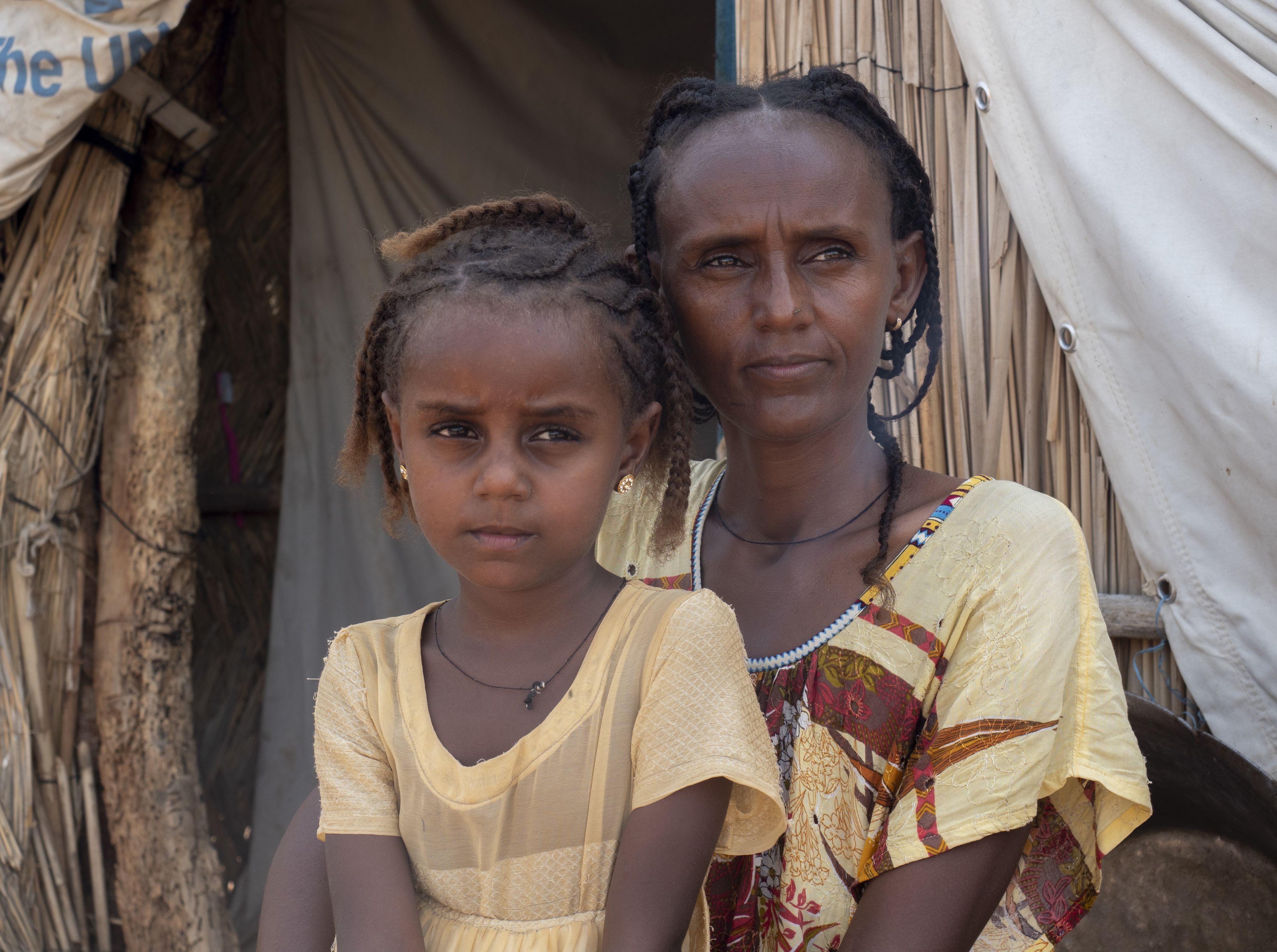
Melat and her mother. Photo: Ingrid Prestetun/NRC
Melat’s mother, Fiyori Kidonewaria, has been worried about her daughter:
“She remembers everything, and she still talks about what she heard and saw. But since she started going to NRC’s school, she talks less about the terrible things she has experienced, and she’s starting to become the cheerful and happy girl we know and love,” says the mother.
“It’s good to see that children like Melat have received help and that her family is doing well. It often takes so little to make a big difference.”

Melat is back in school and has made new friends. Photo: Ingrid Prestetun/NRC
Melat is back in school and has made new friends. Photo: Ingrid Prestetun/NRC
Going to school gives Melat a sense of security and makes life feel more normal. Photo: Ingrid Prestetun/NRC
Going to school gives Melat a sense of security and makes life feel more normal. Photo: Ingrid Prestetun/NRC

Melat and her mother. Photo: Ingrid Prestetun/NRC
Melat and her mother. Photo: Ingrid Prestetun/NRC
Yamama:
“I have made new friends and I feel safe here in the camp.”

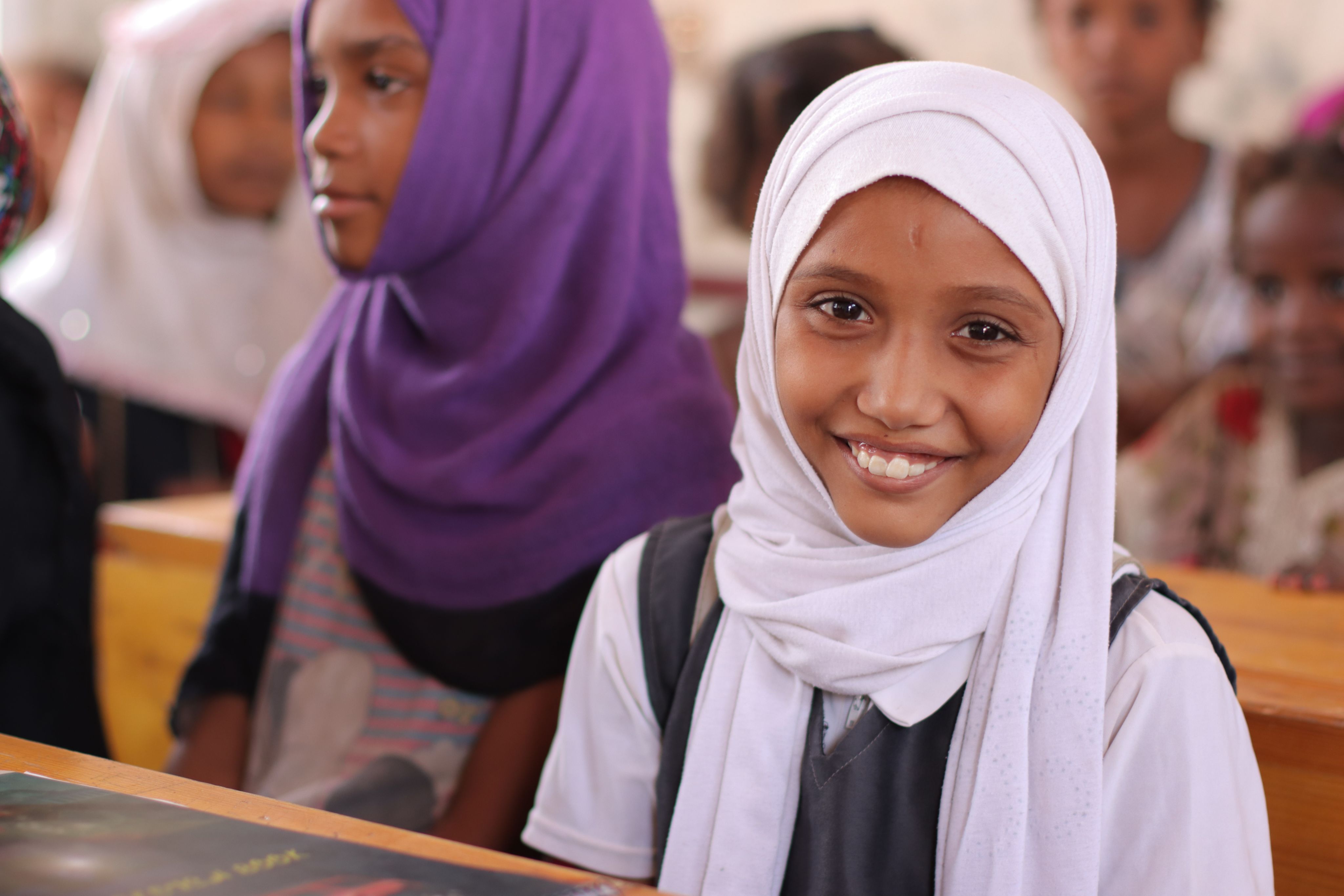

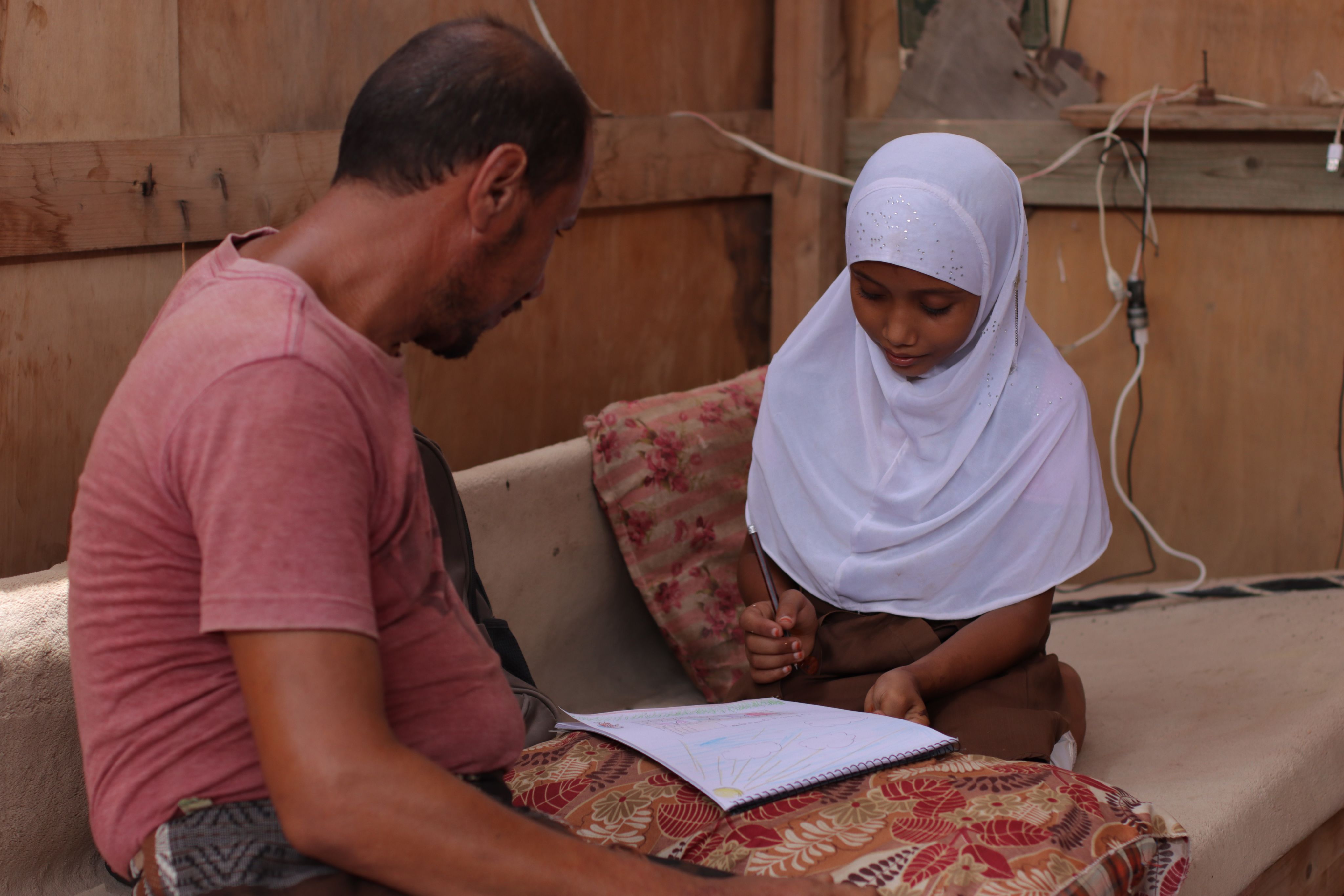
Yamama’s father, Saeed Omar, is delighted that his daughter can finally go to school. Photo: Mahmud Al-Filastini/NRC
Yamama’s father, Saeed Omar, is delighted that his daughter can finally go to school. Photo: Mahmud Al-Filastini/NRC
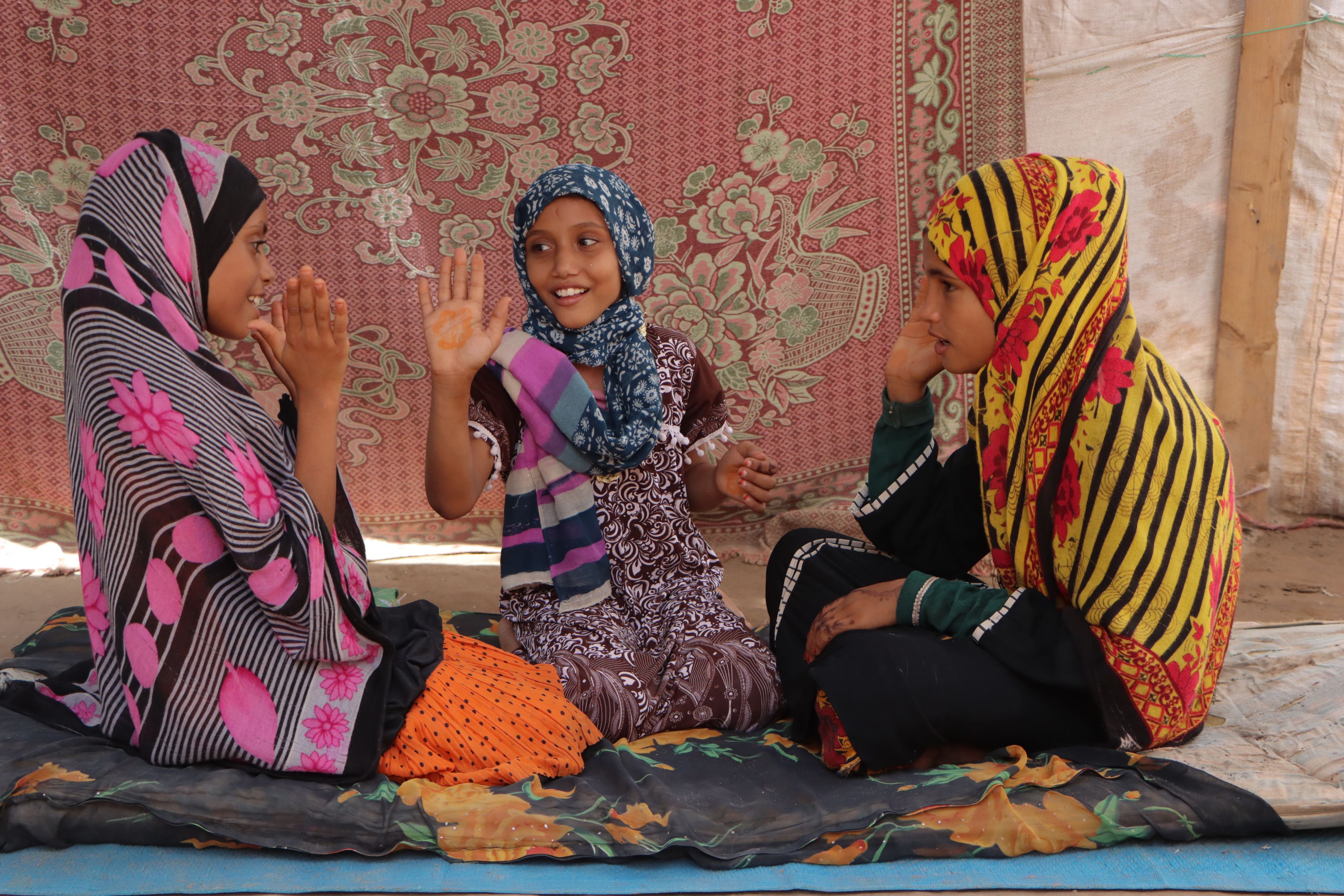
Yamama and her friends Amira and Sabreen play after school. Photo: Mahmud Al-Filastini/NRC
Yamama and her friends Amira and Sabreen play after school. Photo: Mahmud Al-Filastini/NRC
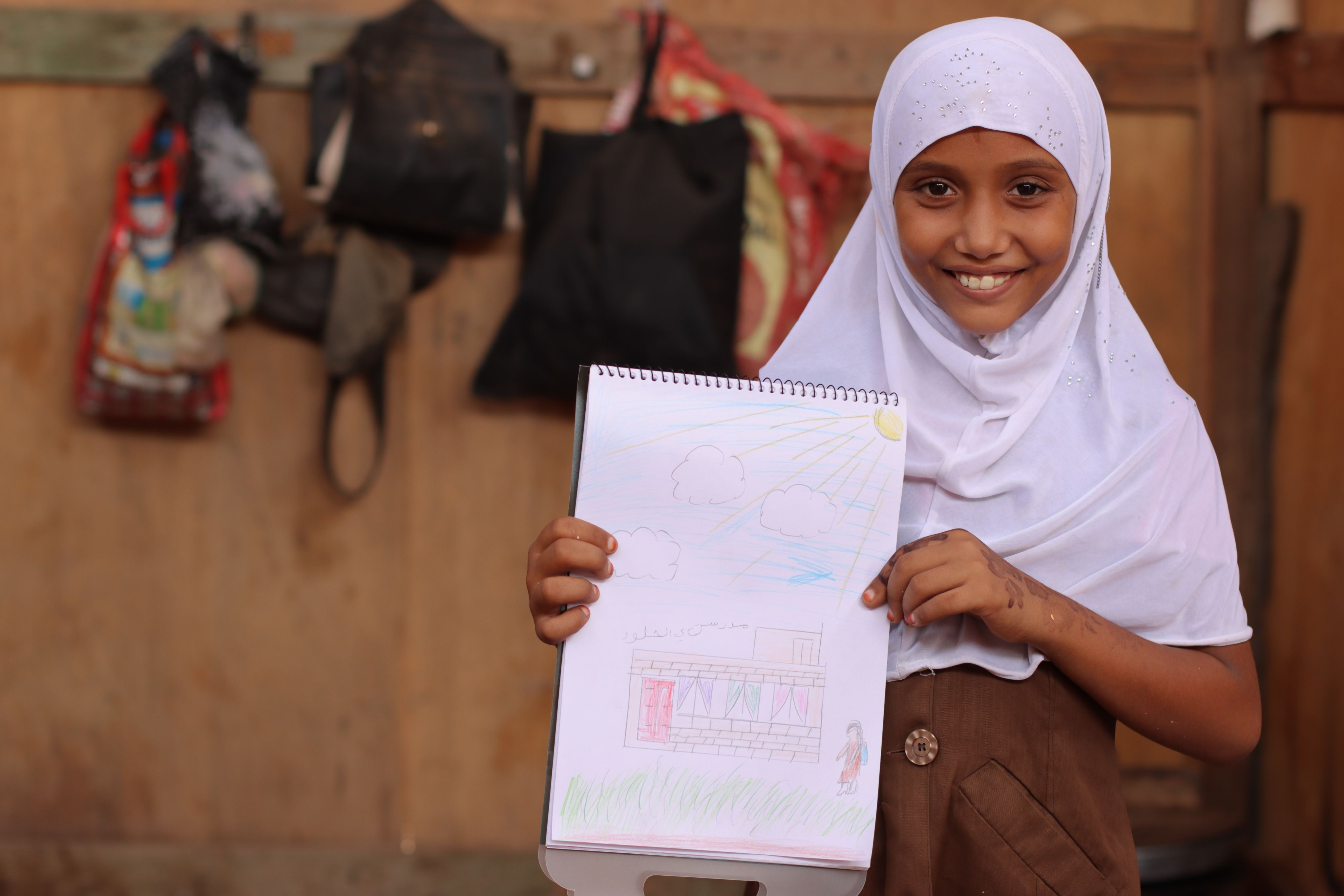
Yamama enjoys drawing. Photo: Mahmud Al-Filastini/NRC
Yamama enjoys drawing. Photo: Mahmud Al-Filastini/NRC
YEMEN:
Finally back in school
The war robbed Yamama, 10, of several years of school. Now, she is back in school at last.
But this has not always been the case. Yamama remembers the fateful day three years ago when gunmen attacked her school in her hometown of Al-Hodeida.
Yamama and her family sought refuge in a camp outside the town of Lahj, where they have lived for the past three years. Yamama felt sad and despondent because she couldn’t go to school.
Yamama’s father, Saeed Omar, is delighted that his daughter can finally go to school. Photo: Mahmud Al-Filastini/NRC
“We were looked down upon by the locals, and the school authorities were reluctant to open the school for the displaced children,” says Yamama’s father, Saeed Omar. “I was also out of work and couldn’t afford to pay for school supplies. But now the situation has changed.”
He smiles and looks at his daughter, who has just finished her school day and is doing her homework.
“NRC has done everything they can to help the children and provide them with school bags, books and writing material. They have even built a new school,” he continues.
“Yamama loves school, and spends most of her free time doing homework, reading and drawing. Now, she’s top of her class.”
Yamama’s teacher, Zahrah Amin Ahmed Mohammed, 35, says that the children have had a tough start to life.
Yamama and her friends Amira and Sabreen play after school. Photo: Mahmud Al-Filastini/NRC
“In the beginning, Yamama and the other children who had been displaced felt that they were not welcome at the original school. Now, since NRC have built a new school, they no longer feel bullied and discriminated against.”
“When I was out of school, I was sad and cried a lot. Now, I am happy, and I really enjoy going to school.”
Yamama enjoys drawing. Photo: Mahmud Al-Filastini/NRC
Yamama proudly shows off one of her drawings. She has drawn a large sun, shining in a nearly cloudless sky over a house with windows and curtains. In the green garden outside, she has drawn herself.
Solmarina:
“This is our little piece of Venezuela.”

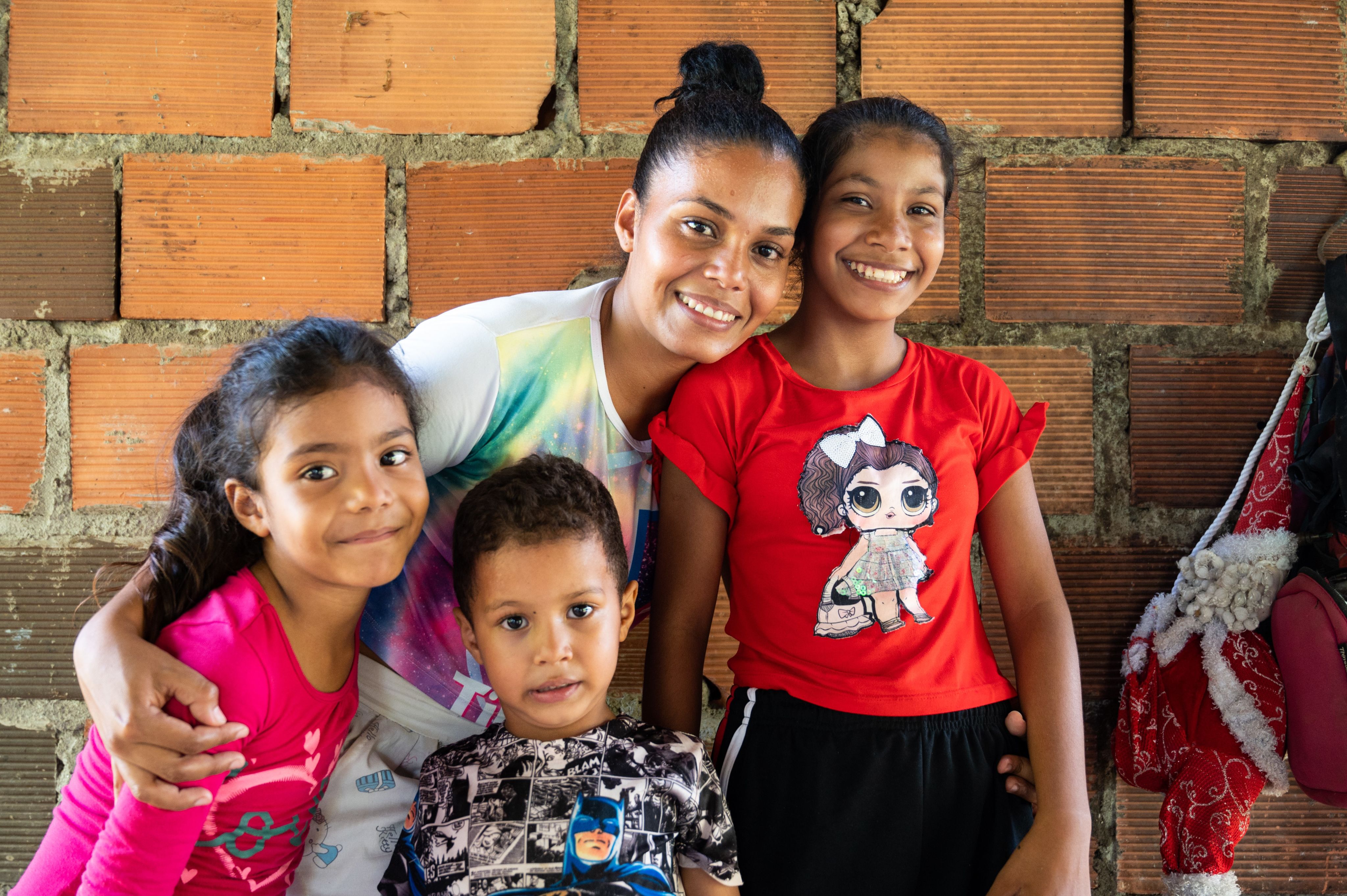
COLOMBIA
The family that built a farm
It’s been three years since Solmarina and her husband packed up their three children and left Venezuela. They’d run out of food and their daughter’s vital medication.
Today, despite poverty and insecurity in Colombia, this hardworking, loving mother has built a sanctuary to protect her children.
Solmarina and her family live on the outskirts of Cucuta city. To reach their home you must walk across a rickety bridge over a murky stream. When you reach the other side, you will find a sanctuary.
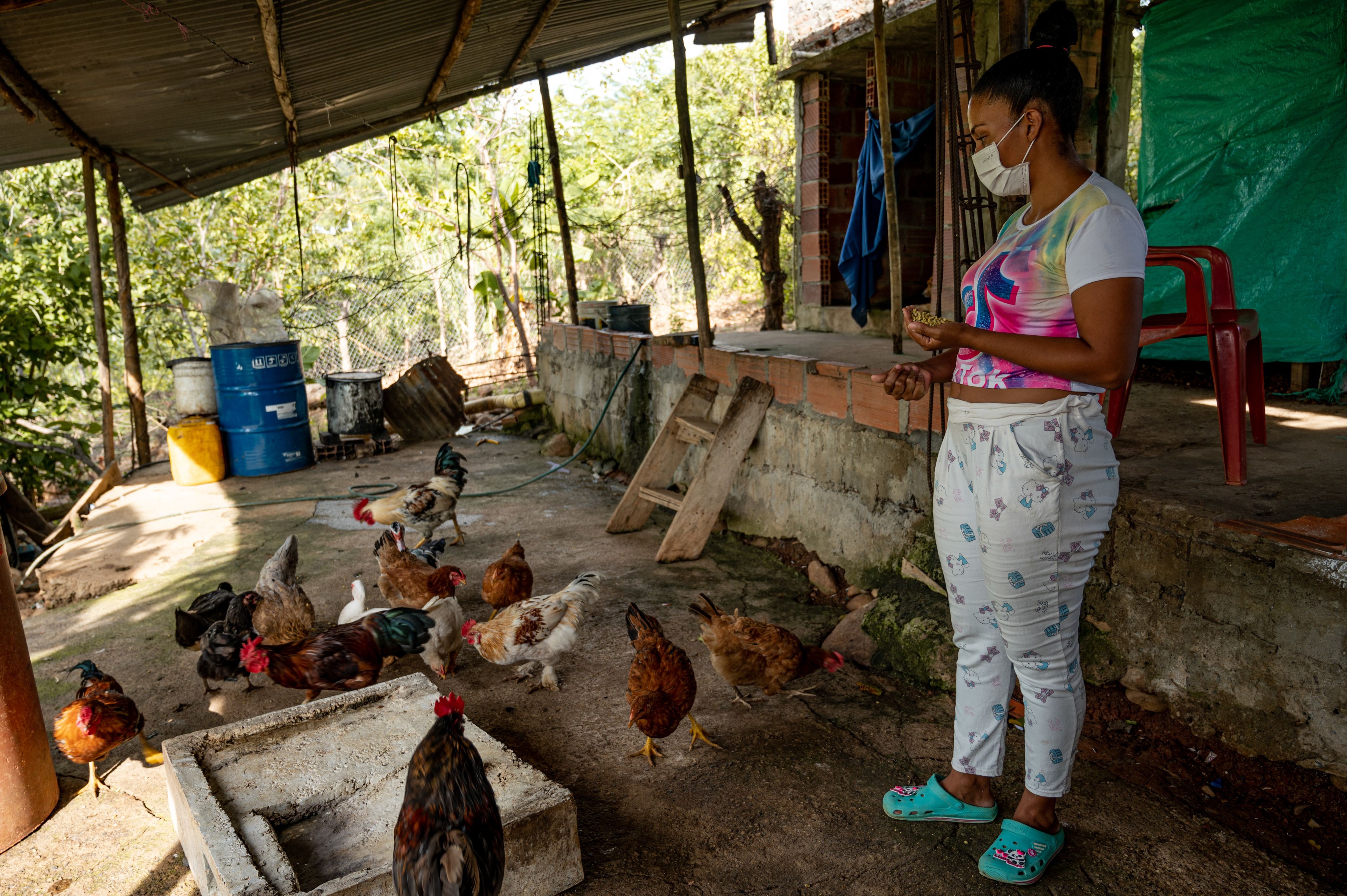
Dozens of chickens, a handful of ducks, two dogs and a kitten roam the land freely. Photo: Christian Jepsen/NRC
This secluded place has been the family’s home since they arrived in Colombia. The landlord had previously used the small building and plot of land to house pigs. It was unfit for a family of five.
“When we arrived, we had nothing. We slept on a thin mattress and cooked on wood. It was very difficult.”
But not anymore. There’s an immediate sense of home here. It’s calm, welcoming, and cool. It’s a place you want to spend time in and explore. Solmarina has transformed it into an almost completely self-sufficient, even beautiful, home.
Papaya, potatoes, lemons and tropical plants grow in the garden. Dozens of chickens, a handful of ducks, two dogs and a kitten roam the land freely. Two pigs and a piglet have a small sty in the garden. In one corner of the garden, colourful paintings line the walls – the children’s “homework corner”.
Solmarina’s husband works in construction, but the work is currently very unstable. This makes it difficult for the family to pay for the simple things like gas for cooking. But by growing their own food, they have been able to relieve some of the financial pressure.
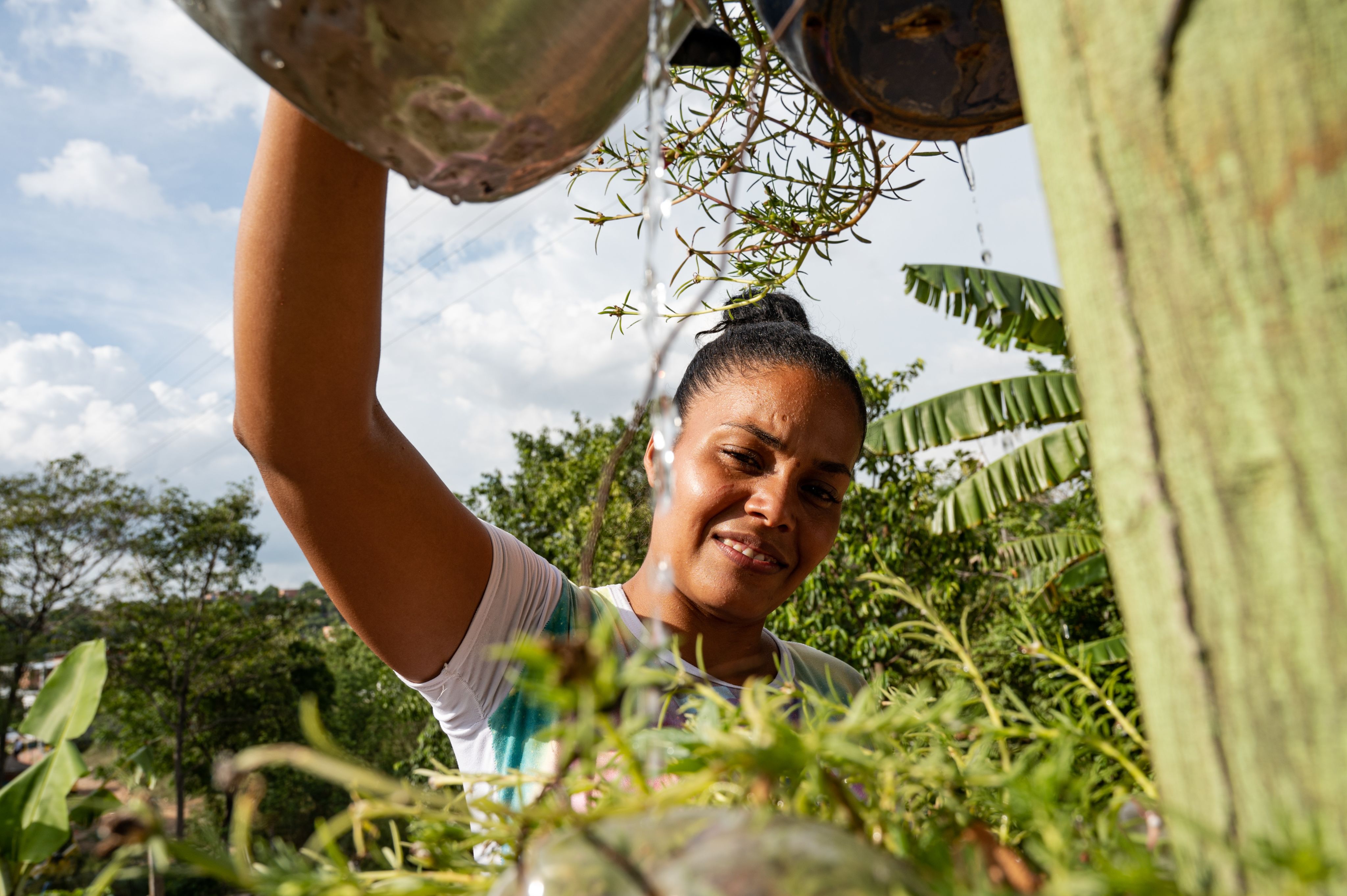
Papaya, potatoes, lemons and tropical plants grow in the garden. Photo: Christian Jepsen/NRC
“We’ve made it into a home little by little,” Solmarina says proudly. “We have water at the house now. When we first arrived, there was nothing. We don’t have electricity yet, but we hope to one day.”
When asked what the mum of three likes most about the home, she replies: “The quietness. We used to have animals before we fled, so this is our little piece of Venezuela.”
Dozens of chickens, a handful of ducks, two dogs and a kitten roam the land freely. Photo: Christian Jepsen/NRC
Dozens of chickens, a handful of ducks, two dogs and a kitten roam the land freely. Photo: Christian Jepsen/NRC
Papaya, potatoes, lemons and tropical plants grow in the garden. Photo: Christian Jepsen/NRC
Papaya, potatoes, lemons and tropical plants grow in the garden. Photo: Christian Jepsen/NRC


 Built with Shorthand