


People affected by displacement may be forced to abandon their homes and livelihoods, and often lose enjoyment of a range of rights. They are frequently at risk of multiple displacement, and may face obstacles to finding durable solutions.
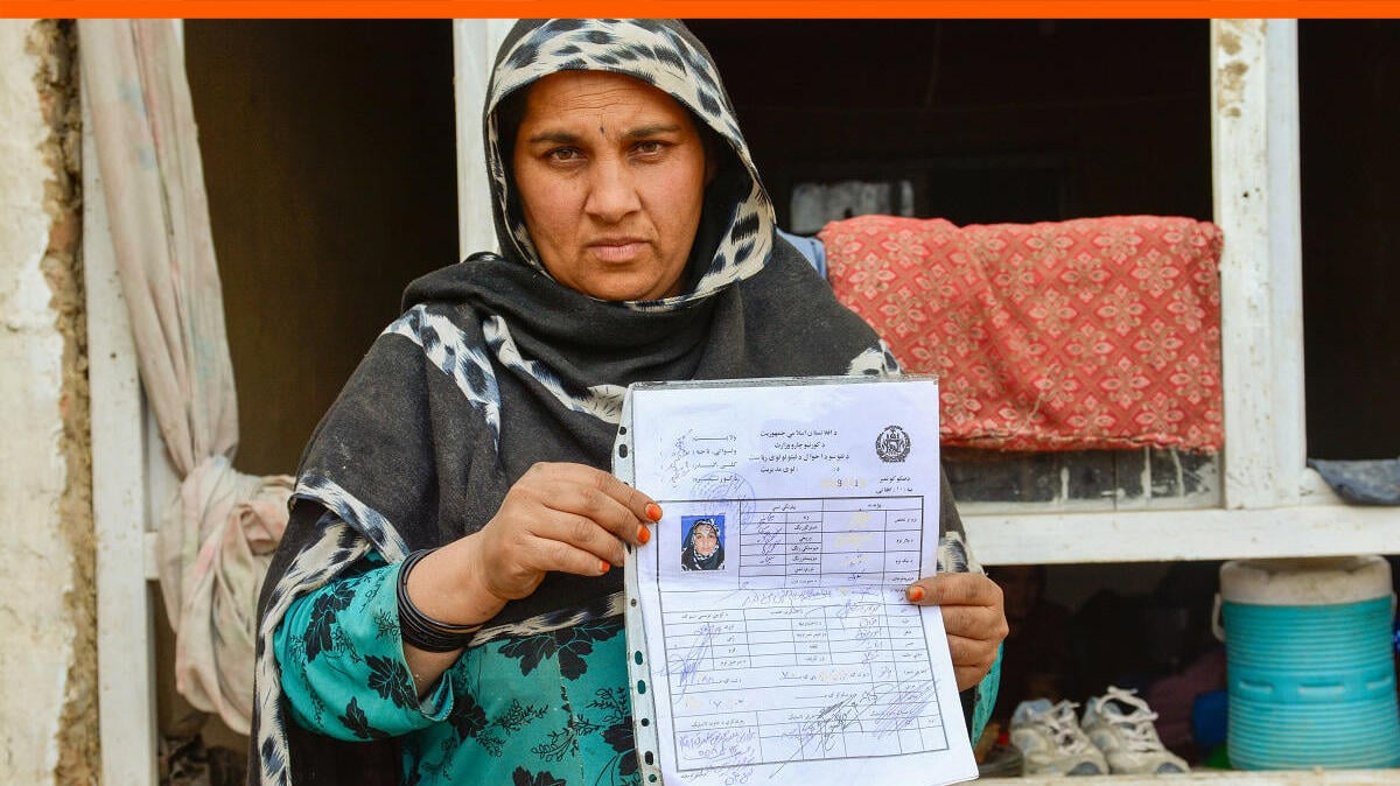
Information, counselling and legal assistance (ICLA)
Legal and institutional frameworks, whether statutory, customary or religious, can either provoke or perpetuate displacement and discrimination or serve as instruments of protection and empowerment. People affected by displacement require assistance to understand, interpret and navigate these frameworks.
The Norwegian Refugee Council's (NRC) information, counselling and legal assistance programmes aim to enable people affected by displacement to claim and exercise their rights and to find lasting solutions. ICLA also aims to prevent displacement for those at risk. ICLA activities are implemented in accordance with international humanitarian protection standards and principles. They promote understanding and respect for the rights of affected people and the obligations of duty bearers under international law.
Our expertise in ICLA
Our ICLA activities support people to claim and exercise their rights through information, counselling, legal assistance, collaborative dispute resolution, capacity building and advocacy. ICLA programmes may engage in public interest cases, if this will lead to a direct positive effect for a greater number of individuals or create legal precedents that can generate positive structural changes.
ICLA may use international litigation mechanisms when domestic remedies have been exhausted or are ineffective. ICLA also advocates at all levels, including international bodies, to pursue the goal of promoting respect for the rights of people affected by displacement.
ICLA programmes observe local legal, cultural and social norms without compromising our commitment to promote and respect rights established by international law. This includes the use of judicial or administrative remedies, customary or religious mechanisms, collaborative dispute resolution methodologies, and transitional justice mechanisms.
As women and children may face particular obstacles in accessing their rights, we provide specific assistance to address these.
A total of 1,523,235 people benefited from our ICLA work in 2025.
ICLA focuses on six thematic areas:
- Housing, land and property (HLP) rights.
- Legal identity (LID), including obtaining the civil and identity documentation necessary to access rights and services.
- Immigration and refugee laws and procedures, including refugee status determination and legal residency.
- Government legal procedures and policies for registration of internally displaced people, when access to rights and services is dependent on such registration.
- Employment laws and procedures.
- Access to essential services.
NRC Global Development Strategy for ICLA 2022-2025
NRC is one of the leading legal protection actors in the humanitarian sector. We are recognised by stakeholders for our expertise in housing, land and property (HLP) rights and in legal identity. By the end of 2025, employment laws and procedures should be our third main area of expertise, while we will have deepened our expertise in HLP and legal identity, and strengthened our legal stay interventions.
Download the ICLA strategy here.
Latest news

Latest publications
NRC's areas of expertise
-
EducationDisplacement has a devastating impact on learning, and often leads to education being interrupted or denied. NRC works to ensure that children and youth forced to flee can access high-quality, safe, inclusive and relevant learning opportunities.
-
Information, counselling and legal assistance (ICLA)People forced to flee frequently lose access to rights and services. Legal frameworks can either perpetuate displacement and discrimination or serve as instruments of protection and durable solutions. NRC assists people to navigate these frameworks, so they can exercise their rights.
-
Livelihoods and food securityDuring conflicts and disasters, food production and market systems face collapse. People can lose their assets and even their ability to earn a living. NRC works to ensure that people forced to flee can exercise their right to an adequate standard of living.
-
Protection from violenceWhen people are forced to flee their homes, they often experience ongoing threats to their safety. NRC help to ensure displaced people are protected, by preventing and responding to violence, coercion, and actions taken by others to deny them their rights.
-
Shelter and settlementsLosing one’s home is devastating. Many people forced to flee are struggling to find a safe place to stay, leaving them exposed to risks like weather, illnesses and violence. NRC supports people with housing within safe and healthy settlements.
-
Water, sanitation and hygieneAccess to clean water and sanitation facilities is among the most urgent of all needs. Without proper sanitation, water supplies can become contaminated and disease can spread rapidly. NRC works to ensure that people forced to flee have access to safe water.